
 Holidays
  Cruises

 Flights
  Hotel Only
  Deals
Deals  Destinations
  Extras
 Experiences
 Travel information
 Help Centre
Europe holidays
;img.resize(height:608);img.crop(width:1080%2Cheight:608))
;img.crop(width:1080%2Cheight:608))
;img.resize(height:608);img.crop(width:1080%2Cheight:608))
;img.crop(width:1080%2Cheight:608))
;img.crop(width:1080%2Cheight:608))
;img.resize(height:608);img.crop(width:1080%2Cheight:608))
;img.crop(width:1080%2Cheight:608))
;img.crop(width:1080%2Cheight:608)&fit=thumb&w=782&h=394&q=70&fm=jpg)
On Europe holidays, the options veer from sun-baked Sardinia to snow-smothered Lapland, and sand-skirted Ibiza to volcano-dotted Tenerife.
Sunbathing staples
For lots of sun-seeking Brits, beaches are the beginning, middle and end of European holidays. Mainland Spain’s Costas have been setting the benchmark for years, and the family-friendly Canary Islands are toasty throughout the year. In Portugal, the Algarve has its own line-up of stellar sands, backed by pro-designed golf links. You get everything from party towns to out-of-the-way islands in Greece, and Cyprus’ golden beaches need little introduction. Bulgaria’s beach resorts, meanwhile, are newest to the party, so there’s a real buzz to the place.
Roaming and relaxing
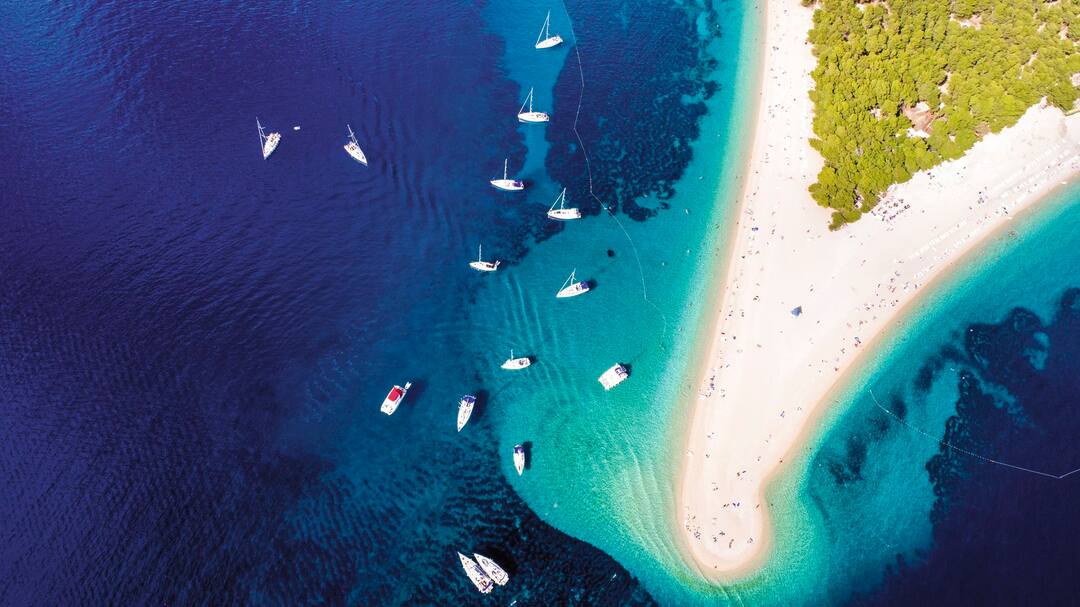
If you’re not just about days on the sand, Italy’s blend of colourful coastlines, ancient sites and good food is just the ticket. Turkey’s got everything from Roman ruins to boisterous bazaars in its locker, and Malta’s historic capital, Valletta, earned it the European Capital of Culture title in recent times. Picture-perfect lakes and Medieval castles are on the cards in Slovenia. And the shores of the Adriatic Sea are dotted with Croatia’s islands and bays, plus the pine-smothered hills of Montenegro.
Beyond the beach
Flip-flops and flaking out aren’t all you can do on this continent, though. Holidays in Europe also venture to cooler climes – from seeking the Northern Lights in Iceland to husky rides in Lapland. Mountain scenery’s part and parcel of trips to Austria and Switzerland, and Germany’s pointy pine forests are dotted with castles and lakes. Kraków’s underground museums are joined by the lofty Tatra Mountains in Poland, and the Norwegian fjords are enough to max out your mobile’s picture memory.
Popular hotels in Europe
Latest reviews
Ready to start searching for your trip to Europe?
Take a look at our best deals, add handy holiday extras, or keep looking for travel inspiration.
FAQs
Some FAQs are AI-generated. Use them as a helpful guide and confirm details before making travel decisions.
What should I pack for Europe?
For Europe, pack versatile clothing suitable for various weather conditions. Bring comfortable walking shoes, a light jacket or sweater for cooler evenings, and a small umbrella. Include a universal adapter for electronics, any necessary medications, and a day bag for sightseeing. Don't forget your passport and any required travel documents.
Should I tip in Europe?
Tipping in Europe varies by country and is generally less expected than in some other regions. In many European countries it is common to leave 10 to 15% of the bill for good service at restaurants. For taxis and hotel staff, leaving a small amount is a nice gesture of appreciation.
What's the nightlife like in Europe?
Nightlife across Europe varies widely by destination and ranges from lively clubs to relaxed wine bars. Cities like Barcelona and Berlin offer late-night clubs and electronic music venues, while smaller towns feature local taverns and live music. Many European destinations have a lowkey evening culture with outdoor dining and socialising in public squares.
Where are the best places to shop in Europe?
Shopping in Europe offers varied experiences from highend boutiques to local markets. Head to major cities like Paris, Milan and London for designer stores and department stores, or explore local craft markets and artisanal districts for handmade goods. Many European destinations feature shopping centres alongside traditional shopping streets.
What are the best beaches in Europe?
Europe offers varied coastal experiences across the Mediterranean, Atlantic and Adriatic. Head to Navagio Beach in Zakynthos for dramatic limestone cliffs and turquoise waters, Praia da Marinha in Portugal for golden sand and sea caves, or Playa de Ses Illetes in Formentera for calm, shallow waters. The Greek islands, Spanish costas and Croatian coastline all feature distinct beach settings.
Where can I try local food in Europe?
Europe offers varied regional cuisines across its countries, from Mediterranean seafood and pasta to central European stews and northern smoked fish. Each country has distinct culinary traditions, so exploring local restaurants, markets and food halls in your specific destination provides authentic flavours. Traditional venues and family-run establishments typically serve regional specialities.
Are there any local customs I should know about in Europe?
When visiting Europe, greetings and etiquette vary by country but politeness is widely valued. In many European destinations it is customary to greet staff when entering shops and restaurants. When visiting churches and religious sites, cover shoulders and knees and remain quiet during services.
What travel adapter do I need for Europe?
When visiting Europe, most countries use Type C with two round pins or Type F with two round pins and grounding clips. However, the UK and Ireland use Type G three-pin rectangular plugs. We recommend bringing a multi-plug adapter to cover different plug types across European destinations.