
 Holidays
  Cruises

 Flights
  Hotel Only
  Deals
Deals  Destinations
  Extras
 Experiences
 Travel information
 Help Centre
;img.crop(width:1080%2Cheight:608))
;img.crop(width:1080%2Cheight:608))
;img.crop(width:1080%2Cheight:608))
Language
Spanish is spoken in the Dominican Republic. English is widely spoken on all islands, including Barbados and Jamaica.
;img.crop(width:1080%2Cheight:608))
;img.crop(width:1080%2Cheight:608))
;img.crop(width:1080%2Cheight:608))
;img.crop(width:1080%2Cheight:608))
;img.crop(width:1080%2Cheight:608))
;img.crop(width:1080%2Cheight:608))
;img.crop(width:1080%2Cheight:608)&fit=thumb&w=782&h=394&q=70&fm=jpg)
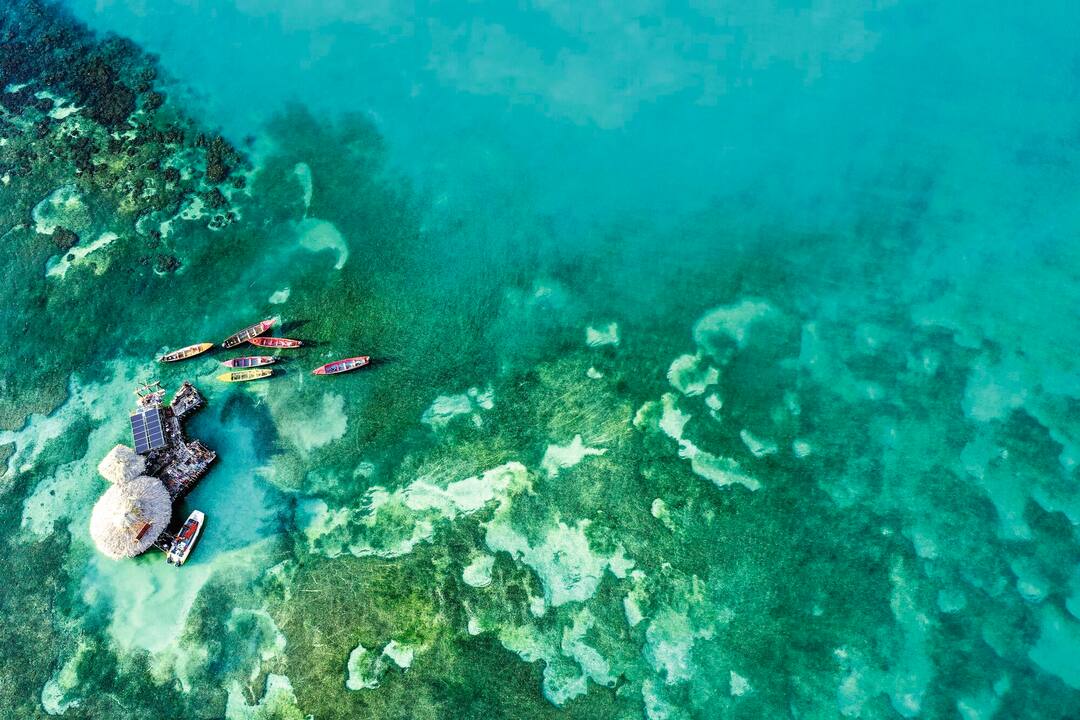
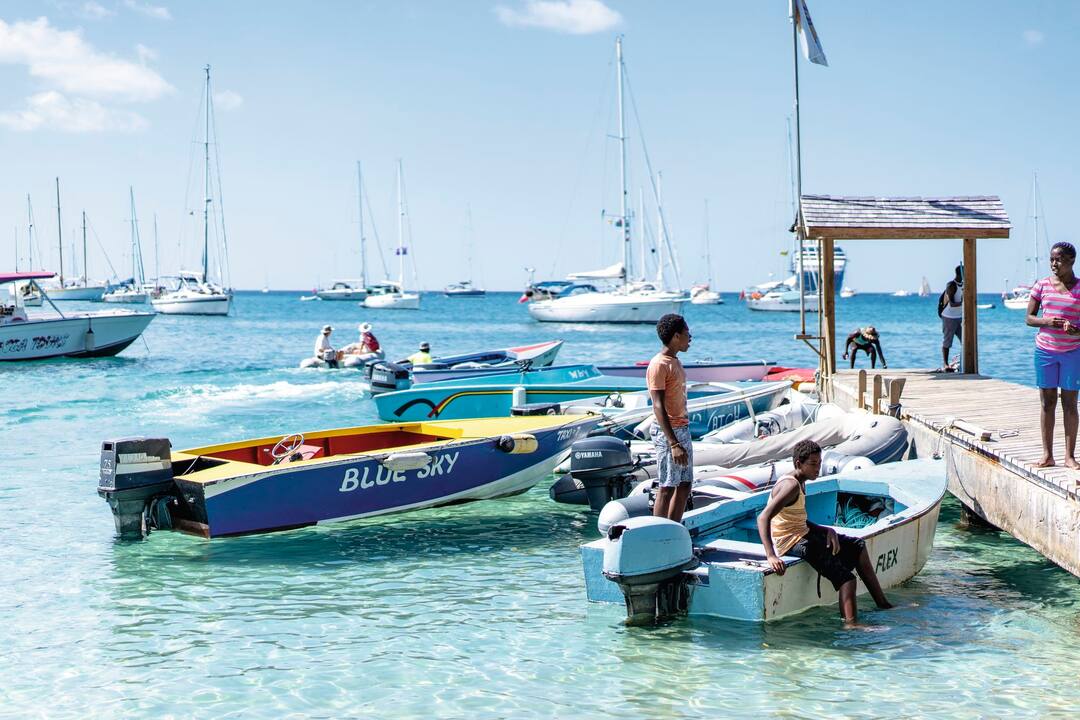
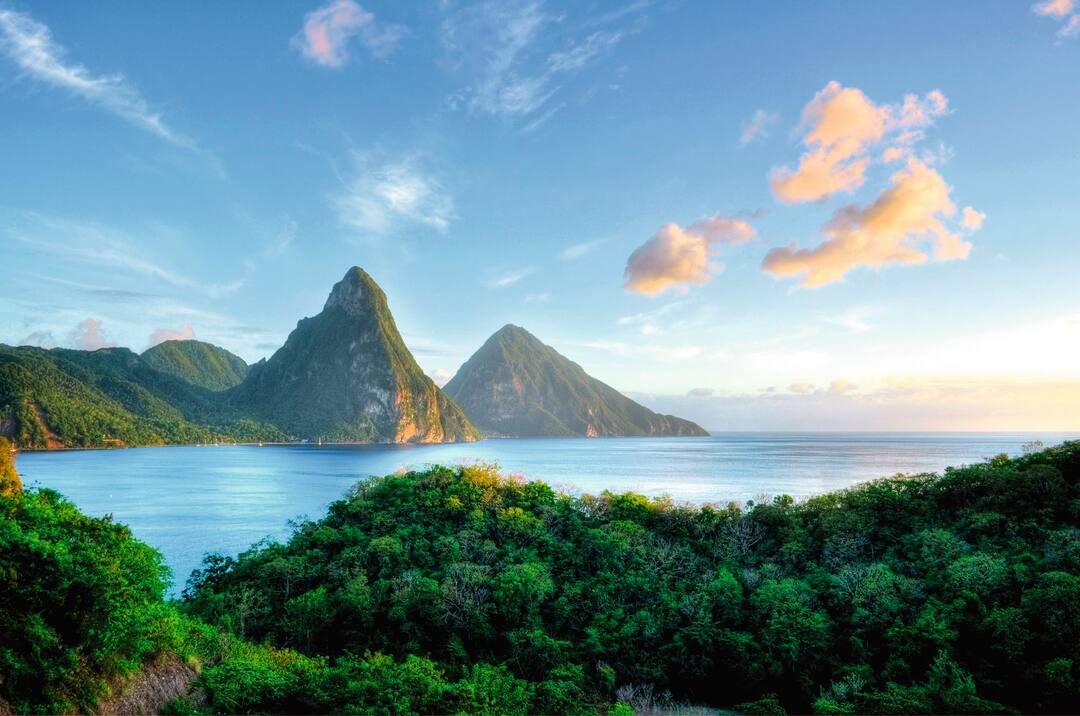
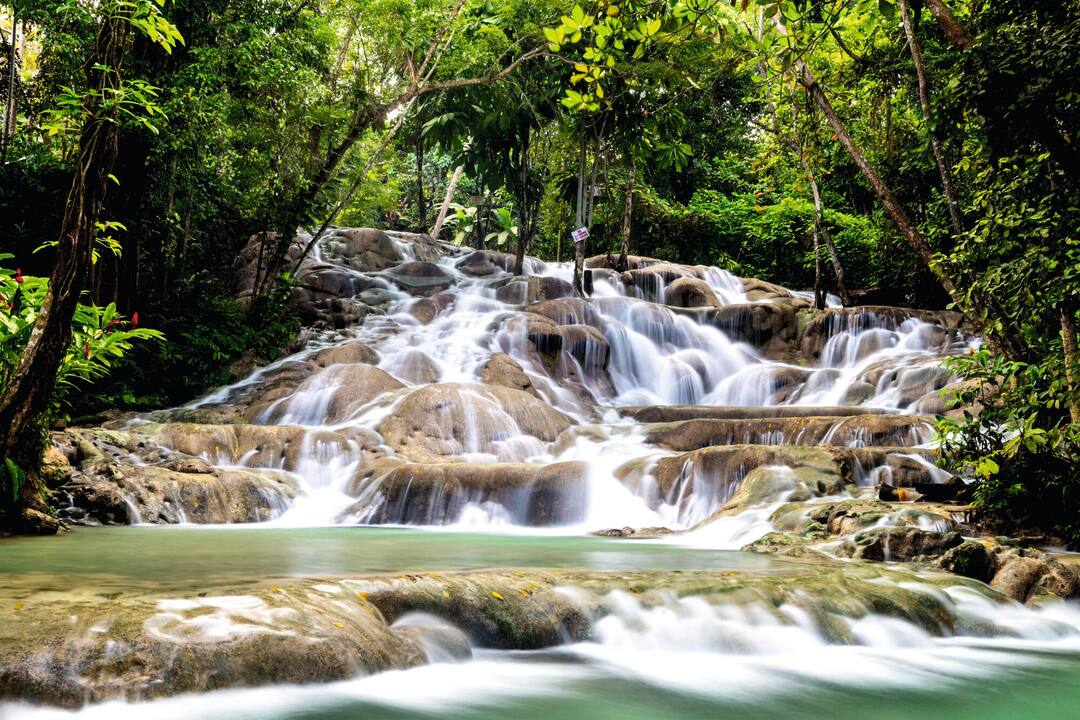
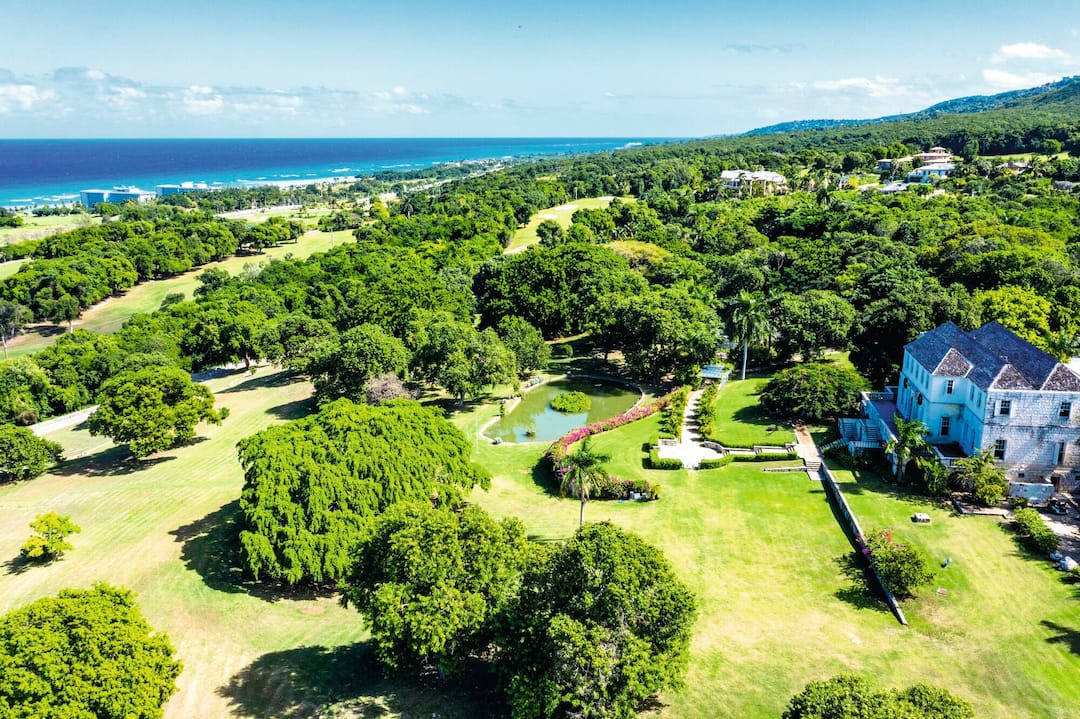
Caribbean holidays are a colourful cocktail of silvery sand, teal-tinted water and emerald rainforests. Plus, there are more historical sights than you can shake a guide book at.
The trademark of any holiday in the Caribbean is the beaches. Every island in this part of the world sports its own platter of leading sandy swathes. Take Antigua – nicknamed the ‘Land of 365 Beaches’, it’s pretty much covered in linen-soft, white sand. Barbados, meanwhile, is home to the Platinum Coast, where you’ll find 13 miles of blue-chip beaches. They’re so impressive that even A-listers like Sir Cliff Richard and Hugh Grant have been spotted holidaying here.
Tear yourself away from your sunbed for a day or two and you’ll find that the countries in the Caribbean have plenty of history, as well. Take the Dominican Republic, for example. It’s home to the oldest continuously inhabited European settlement in the Americas, Santo Domingo. Here, you can walk the walls of a 16th-century fortress, and peek at period furniture and medieval armour in a palace built by Christopher Columbus’ son. Elsewhere, over in Jamaica, you can explore the region’s pirate-filled past during a visit to Port Royal – a former swashbuckling stronghold.
There’s no shortage of activities for you to try during a holiday to the Caribbean. Countries in this part of the world with English roots, like Antigua and Barbados, have a soft spot for cricket. You’ll have plenty of opportunities to swing a bat at the sports grounds in the capital cities of St John’s and Bridgetown. St Lucia, on the other hand, takes full advantage of its thick rainforests and towering mountains. Zip-lining adventures, 4x4 safaris and horse riding top the to-do list here. Trinidad and Tobago, meanwhile, is one of the world’s best scuba diving spots. Think Finding-Nemo-style coral reefs and gin-clear water. And it’s well worth hopping on board a boat trip in Curacao – lots of them sail to Klein Curacao, a tiny uninhabited island where sea turtles nest.
Some FAQs are AI-generated. Use them as a helpful guide and confirm details before making travel decisions.
Where can I find the latest travel advice?
All your questions about entry requirements, visas, passports or health information are answered on our Travel Advice page.
What should I pack for Caribbean?
For the Caribbean, pack lightweight, breathable clothing suitable for a tropical climate. Bring multiple swimsuits, high-factor sun cream, sunglasses, and a wide-brimmed hat for beach days. Include insect repellent, comfortable sandals, and a light rain jacket for occasional showers. Pack smart-casual attire for dining out and modest clothing for visiting local towns or churches.
What are the best beaches in the Caribbean?
The Caribbean offers varied beaches. There’s Seven Mile Beach in Negril, Jamaica – a powder-fine stretch of pearly white shoreline, where the water’s shallow and snorkelling spots are in good supply. And you’ve got Bavaro Beach in the Dominican Republic – known for its bustling cocktail bars and watersports. Carlisle Bay near Bridgetown, Barbados is a good one, too. It’s home to six underwater shipwrecks, and swimmers often spot turtles here.
Where are the best places to shop in the Caribbean?
Caribbean shopping offers a mix of local markets and duty-free luxury goods. You'll discover vibrant craft markets in Jamaica and the Dominican Republic, while islands like St. Thomas and Aruba are known for duty-free shopping. Many resorts also have boutiques where you can find souvenirs and essentials.
What's the nightlife like in the Caribbean?
Caribbean nightlife varies from laidback beach bars to lively clubs. Many resorts offer evening entertainment with live music and shows. If you're looking to explore, you'll find lively scenes in Ocho Rios, Jamaica, with options ranging from salsa clubs to beachfront parties. And St Lawrence Gap in Barbados is packed with open-air bars and rum shacks.
Should I tip in the Caribbean?
Tipping practices vary across the Caribbean, but it's generally appreciated in tourist areas. In restaurants, a 10-15% tip is common if a service charge isn't included. For other services like taxis or tours, rounding up or giving a small tip is a nice gesture.
Are there any local customs I should know about in the Caribbean?
When visiting the Caribbean, casual and beachwear are acceptable at hotels and beaches, but cover shoulders and knees when entering churches or local towns. A friendly greeting is appreciated, and locals value politeness and respect. Tipping is customary in most Caribbean islands.
Where can I try local food in Caribbean?
Traditional Caribbean cuisine is a delightful mix of flavours and influences. You'll find authentic dishes at local restaurants near your resort. Many TUI resorts also offer Caribbean nights featuring featuring local specialties. We recommend trying jerk chicken in Jamaica and flying fish and cou-cou – a type of savoury porridge – in Barbados.
What travel adapter do I need for Caribbean?
When visiting the Caribbean, the plug type varies by island, with many using Type A two-pin flat blade or Type B three-pin plugs, whilst some islands use Type G three rectangular pin UK-style plugs. We recommend bringing a multi-plug adapter to ensure compatibility across different islands. Check your specific destination before travelling as requirements differ throughout the region.
Take a look at our best deals, add handy holiday extras, or keep looking for travel inspiration.