
 Holidays
  Cruises

 Flights
  Hotel Only
  Deals
Deals  Destinations
  Extras
 Experiences
 Travel information
 Help Centre
;img.crop(width:1080%2Cheight:608))


;img.crop(width:1080%2Cheight:608))
;img.crop(width:1080%2Cheight:608))
;img.resize(height:608);img.crop(width:1080%2Cheight:608))
;img.resize(height:608);img.crop(width:1080%2Cheight:608))
;img.crop(width:1080%2Cheight:608))
Currency
Euro
(EUR)
;img.crop(width:1080%2Cheight:608))
;img.crop(width:1080%2Cheight:608))
;img.crop(width:1080%2Cheight:608))
;img.crop(width:1080%2Cheight:608))
;img.crop(width:1080%2Cheight:608))
;img.crop(width:1080%2Cheight:608))
;img.crop(width:1080%2Cheight:608)&fit=thumb&w=782&h=394&q=70&fm=jpg)
Holidays to the Peloponnese region encompass sandy coves, vast countryside and tales of ancient Greece.
The Peloponnese region makes up the southernmost part of mainland Greece, stretching over a peninsula for more than 8,000 square miles. It’s well known as one of the country’s most undeveloped and virgin territories. Think sprawling olive groves, and forests turned pink by the flowers from the native almond trees.
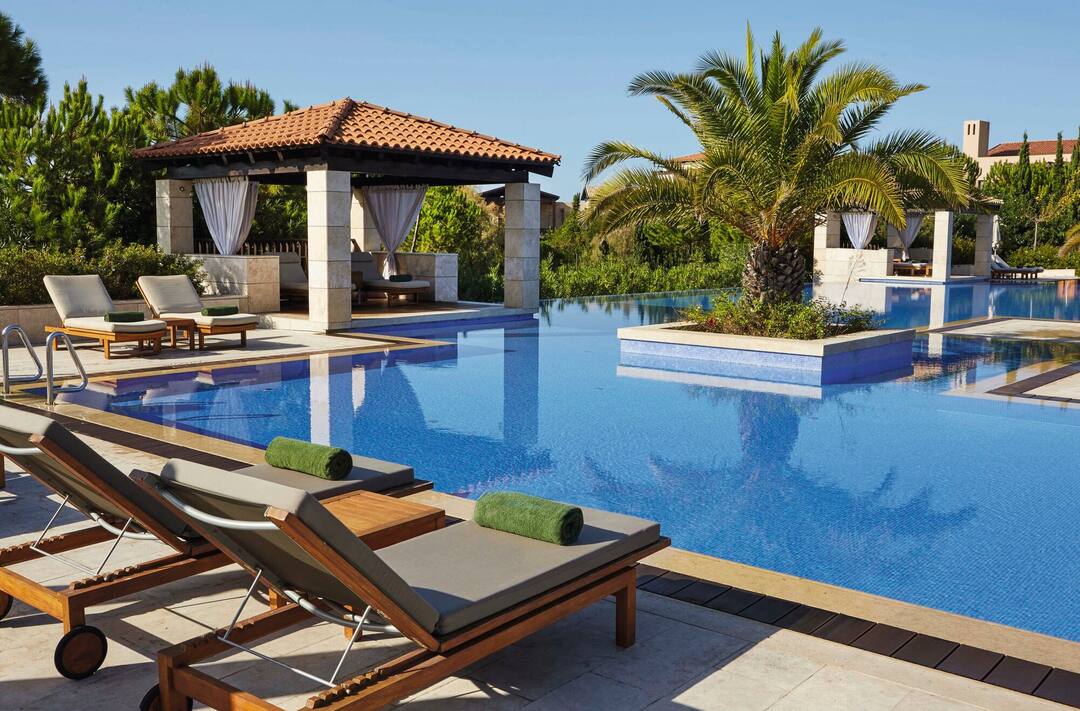
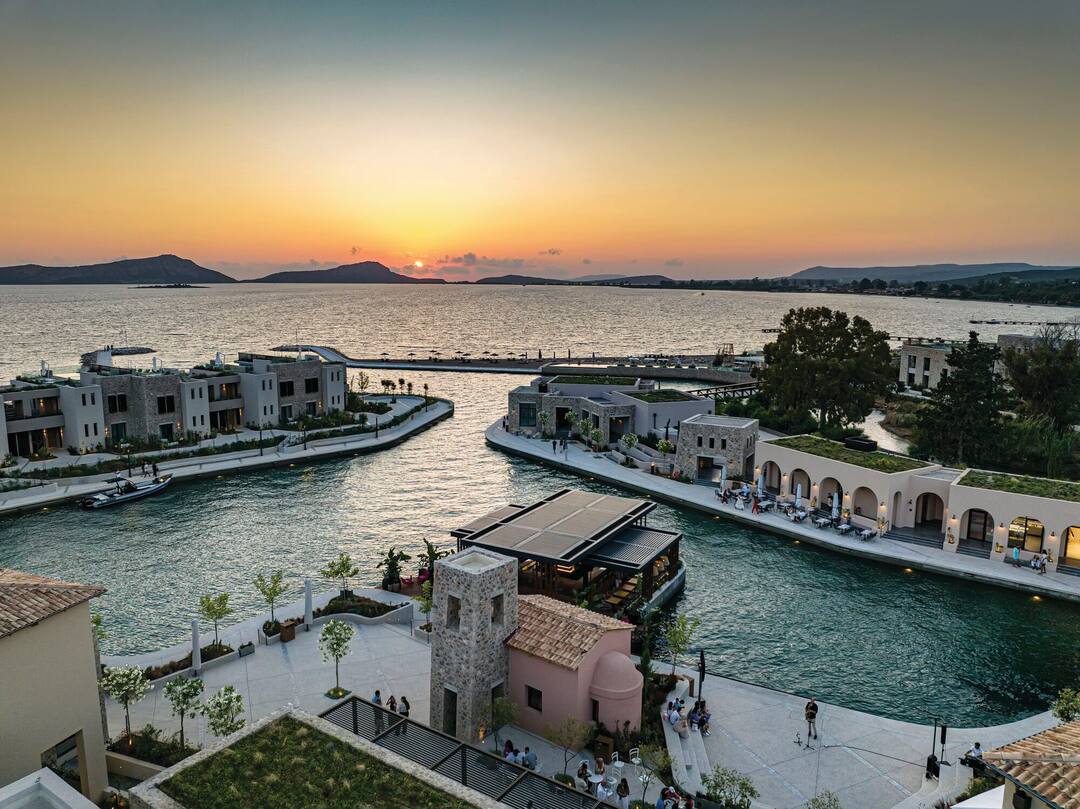
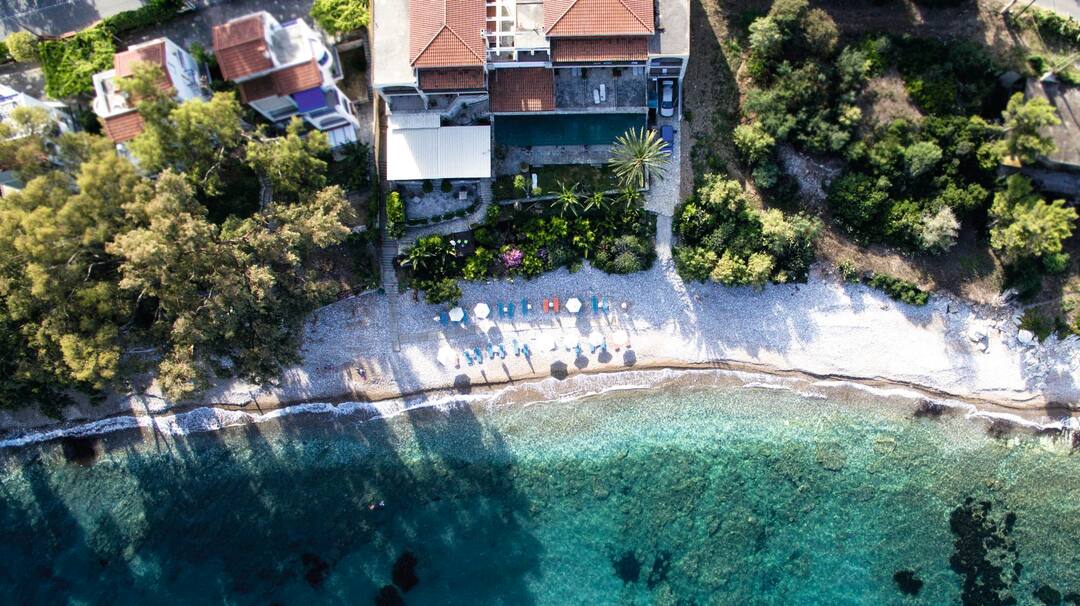
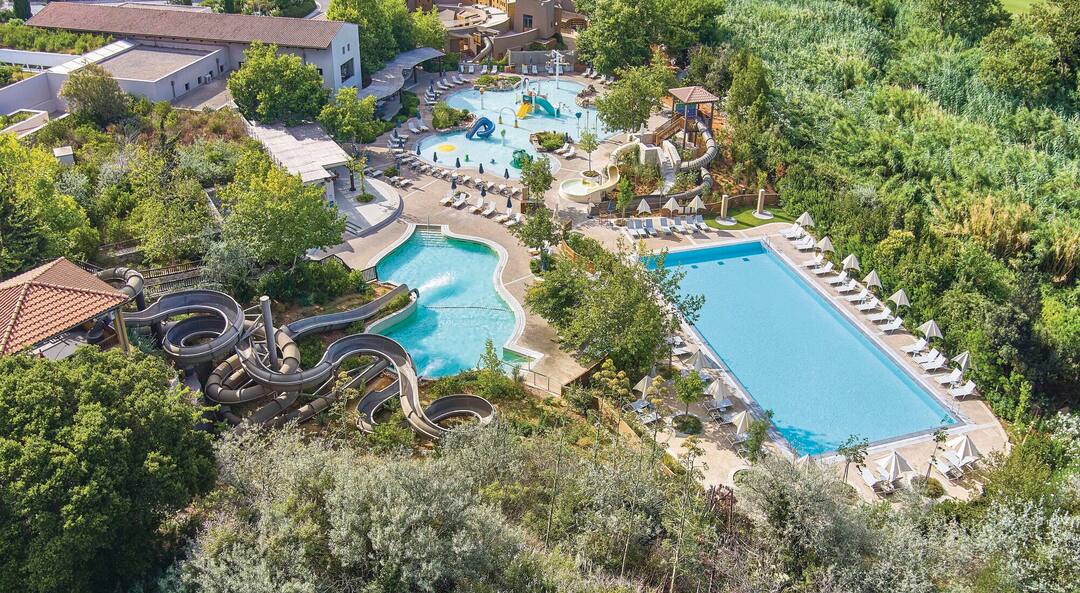
Most of the hotels in the Peloponnese region are dotted along the Olympia Coast in resorts such as Costa Navarino and Kalo Nero, along the western seafront. People tend to come here for the beaches, which are tucked away among the forests of the countryside. Further along the coast, the likes of Kalamata and Petalidi are firm favourites in these parts, too.
The travel books like to refer to the Peloponnese region as the mythical heart of Greece, thanks to the temples and palaces that dot the fields and forests. If you’ve only got time to see one prehistoric spot while you’re here, make it Olympia. This site in the north-west of the region hosted the first ever Olympic Games, with competitors participating every four years to honour the Greek God, Zeus.
Some FAQs are AI-generated. Use them as a helpful guide and confirm details before making travel decisions.
Where can I find the latest travel advice?
All your questions about entry requirements, visas, passports or health information are answered on our Travel Advice page.
What travel adapter do I need for Peloponnese?
When visiting the Peloponnese, you'll need a European-style two-pin plug adapter. These plugs, known as Type C or F, are standard throughout Greece. We recommend bringing at least one adapter for your electronic devices.
What's the nightlife like in Peloponnese?
Peloponnese offers a varied nightlife scene. In coastal towns like Nafplio and Kalamata, you'll find lively bars and tavernas with live music. Many resorts host evening entertainment with traditional Greek nights. For a more relaxed evening, enjoy a drink at a beachfront bar while watching the sunset over the Ionian Sea.
Should I tip in Peloponnese?
In Peloponnese, tipping is appreciated but not mandatory. For good service, we recommend leaving around 5-10% in restaurants and rounding up the fare for taxis. In your hotel, you may wish to tip staff who provide exceptional service, but it's entirely at your discretion.
Are there any local customs I should know about in Peloponnese?
When visiting Peloponnese, it's polite to greet locals with a friendly 'yassas' for hello. In Orthodox churches, dress modestly and avoid flash photography. Greeks often invite you to join them, so don't be surprised by their warm hospitality. If you're offered food or drink, it's courteous to accept.
Where can I try local food in Peloponnese?
To experience authentic Peloponnese cuisine, visit local tavernas in towns like Kalamata or Nafplio. Try regional specialties such as hilopites (egg pasta), sfela cheese, and Kalamata olives. Many resorts also offer Greek nights featuring traditional dishes. For a unique experience, we recommend joining a cooking class to learn about local ingredients and recipes.
Where are the best places to shop in Peloponnese?
In Peloponnese, you'll find a mix of modern shops and traditional markets. Kalamata offers a vibrant shopping scene with its central market and boutique stores. In Nafplio, you can explore charming streets lined with artisan shops selling local crafts and jewellery. Many resorts also have on-site shops for convenience.
What should I pack for Peloponnese?
For Peloponnese, pack lightweight, breathable clothing, swimwear, and sun protection essentials like sunscreen, sunglasses, and a wide-brimmed hat. Bring comfortable walking shoes for exploring ancient sites and a light jacket for cooler evenings.
What are the best beaches in Peloponnese?
The Peloponnese boasts Voidokilia Beach near Pylos, a horseshoe-shaped bay with soft sand and calm waters ideal for swimming. Simos Beach on Elafonisos offers white sand and turquoise shallows, while Kalogria Beach near Patras provides a long sandy stretch backed by pine forests and lagoons.
Take a look at our best deals, add handy holiday extras, or keep looking for travel inspiration.