Holidays
  Cruises

 Flights
  Hotel Only
  Deals
Deals  Destinations
  Extras
 Experiences
 Travel information
 Help Centre
;img.crop(width:1080%2Cheight:608))


Capital
Tokyo
;img.crop(width:1080%2Cheight:608))
;img.crop(width:1080%2Cheight:608))
;img.crop(width:1080%2Cheight:608))
;img.crop(width:1080%2Cheight:608))
;img.crop(width:1080%2Cheight:608))
;img.crop(width:1080%2Cheight:608))
;img.crop(width:1080%2Cheight:608)&fit=thumb&w=782&h=394&q=70&fm=jpg)
Japan holidays offer up gold-capped temples, some of the world's most modern cities and an ample supply of cherry blossom trees.
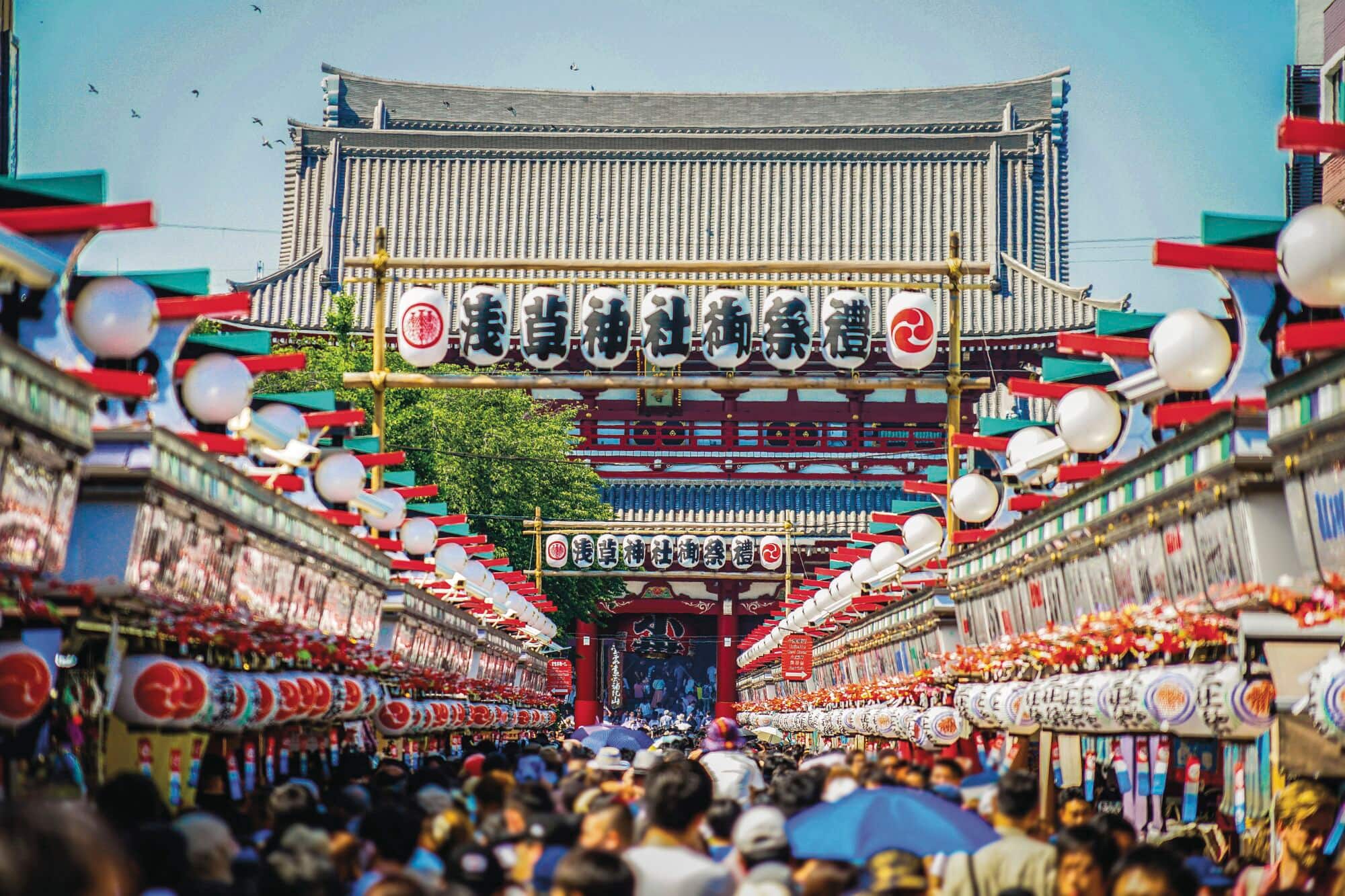
When it comes to style, Japan’s capital’s in a league of its own. The city offers up a solid mix of old and new, with historic Buddhist and Shinto temples sitting in the shadows of digital-billboard-covered shopping centres. The city’s Asakusa district’s great for culture vultures, who can snap pictures of its traditional wooden buildings and brightly coloured shrine. Over in the Ginza area, meanwhile, you can treat yourself to a shopping spree in the top-brand boutiques.
Japan’s landscapes are as colourful as a platter of sushi. You can see everything from the snowy peaks of Mount Fuji and the Japanese Alps to jade-green botanical gardens and scarlet-tinted, plum trees. But it’s during spring when the country’s natural assets really come into the limelight. Cherry blossom trees all over Japan burst into a sea of pink petals. Ueno Park in Tokyo’s one of the most popular places to see this world-famous bloom – it’s home to over 1,000 trees.
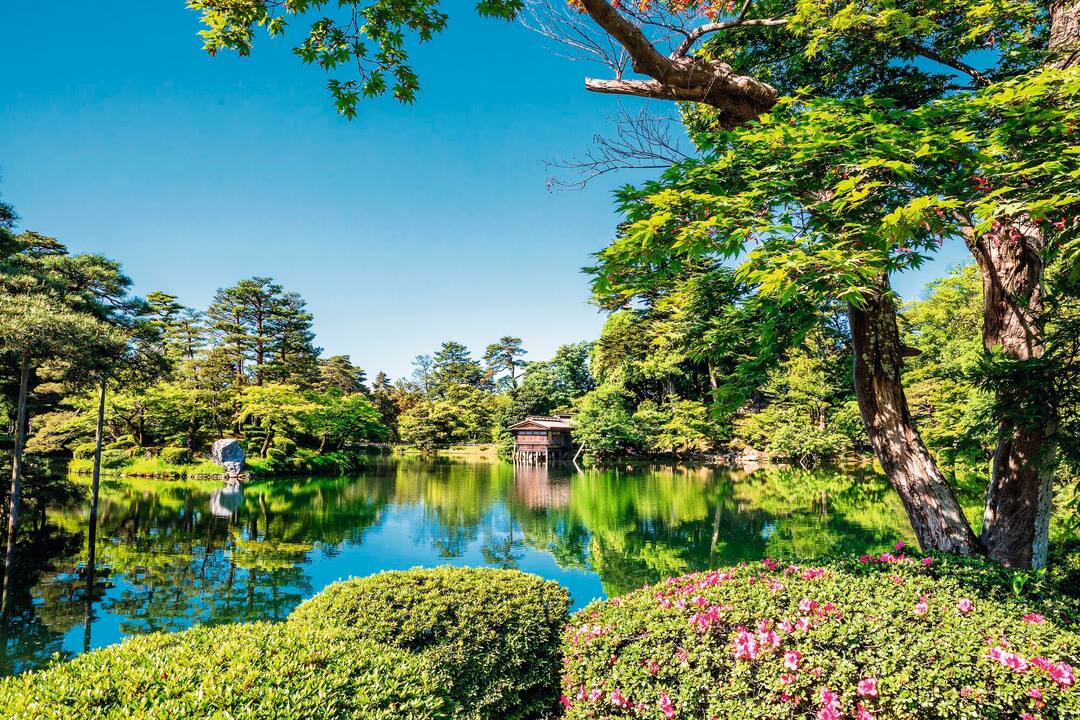
Japan’s got more than a millennium’s worth of history under its belt, and there are plenty of centuries-old houses, museums and rustic mountain villages for you to visit. Of all the sights you can see, though, it’s the traces of the Samurai that steal the show. These legendary, sword-swinging soldiers ruled Japan for over 700 years, and you’ll see statues of them dotted around Tokyo, Kyoto and Nara. Plus, in the city of Kanazawa, you can wander around entire Samurai districts, like Nagamachi, and see weapons, armour and 250-year-old feudal houses up close.
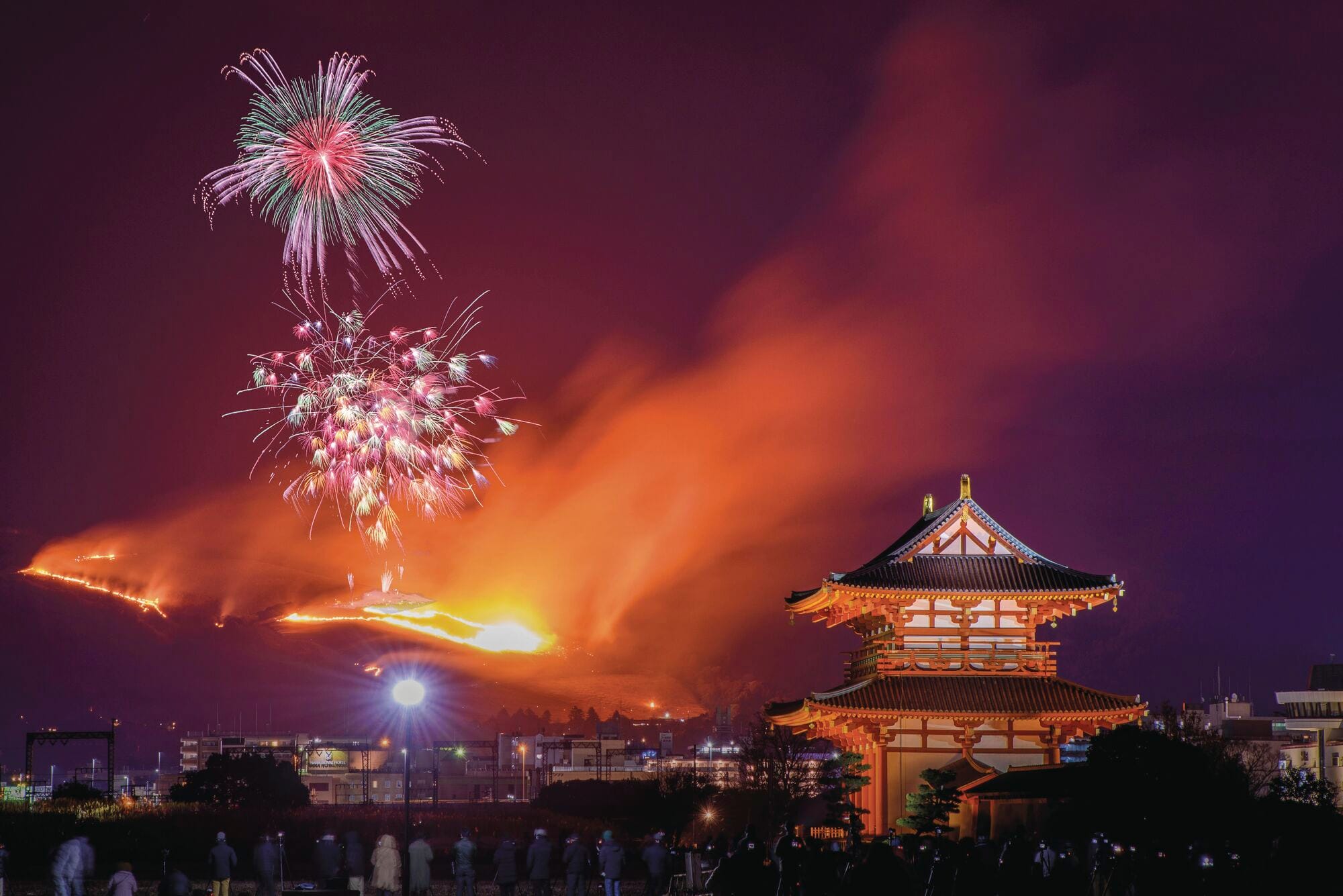
Yamayaki
Yamayaki is Nara’s most spectacular festival, where the dry grass on the side of a mountain is set on fire, lighting up the whole area. There’s a big fireworks display held before it all kicks off.
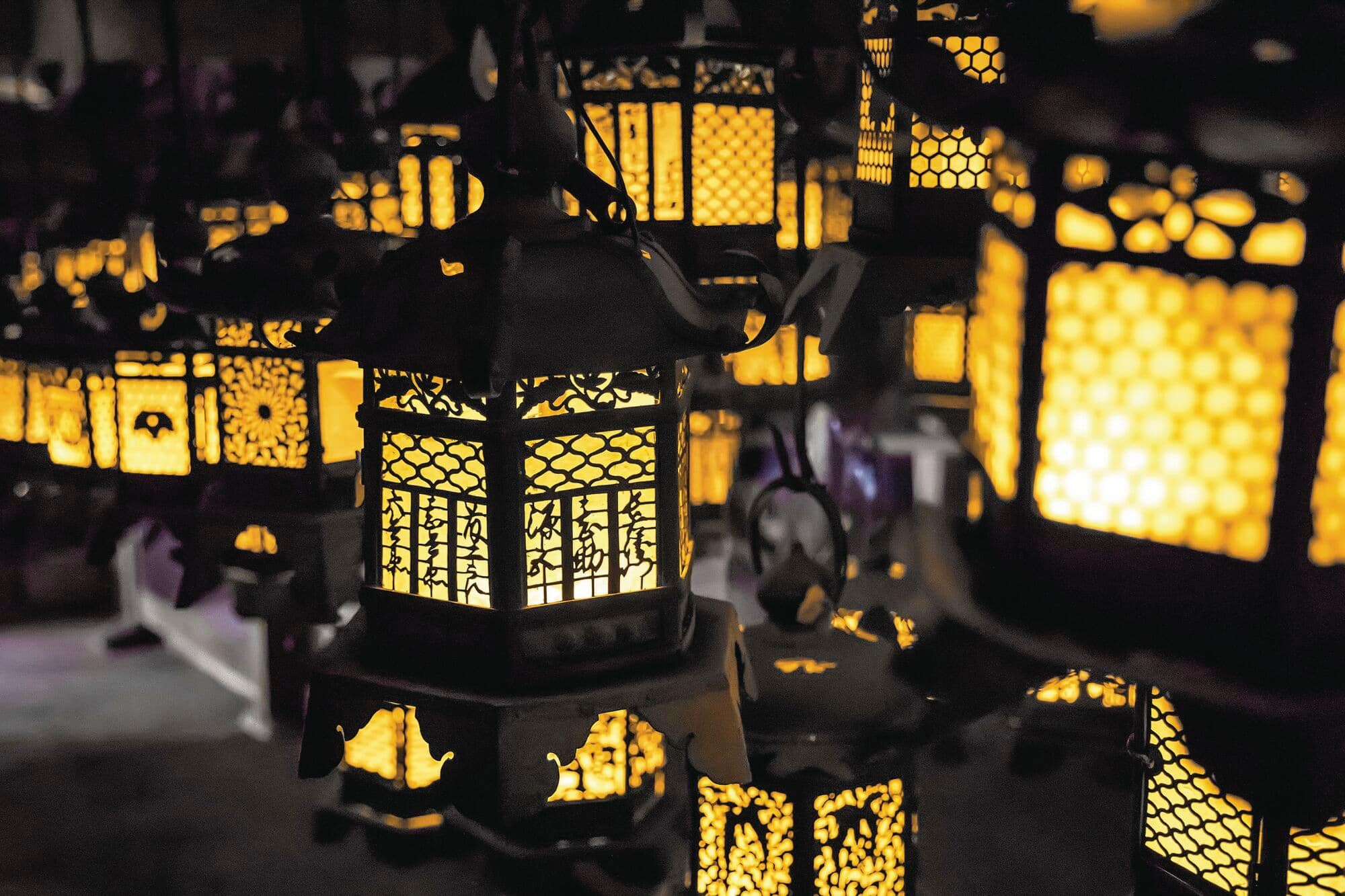
Mantoro
This festival in Nara is also called the Lantern Festival, and the clue’s in its name – 3,000 lanterns are placed around Kasuga-Taisha Shrine and the nearby paths. It’s held in February and August.
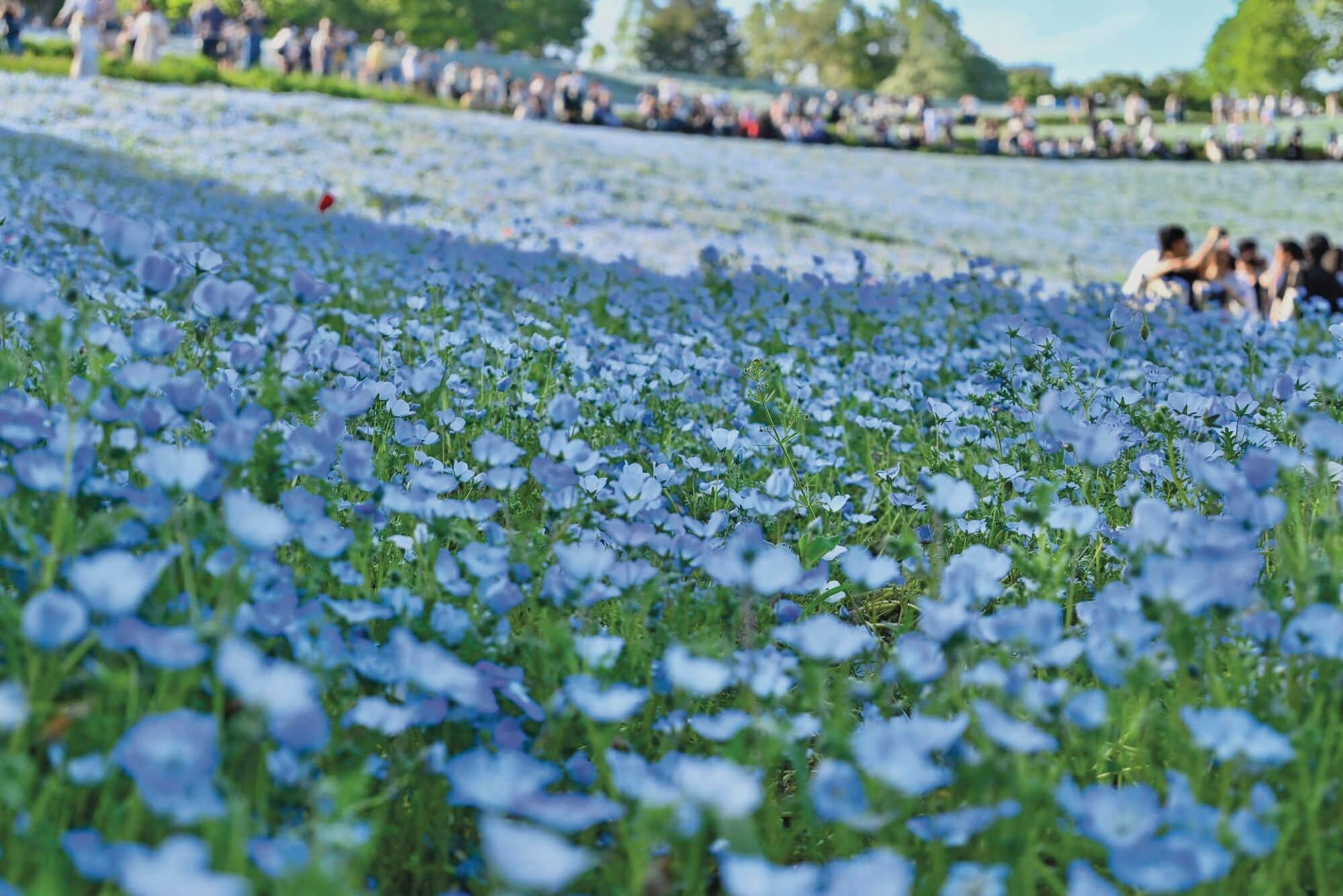
Flower festivals
Tokyo’s islands play host to a series of flower festivals each March to mark the start of spring. Think fields full of colourful blooms, petal dyeing workshops and outdoor tea ceremonies.
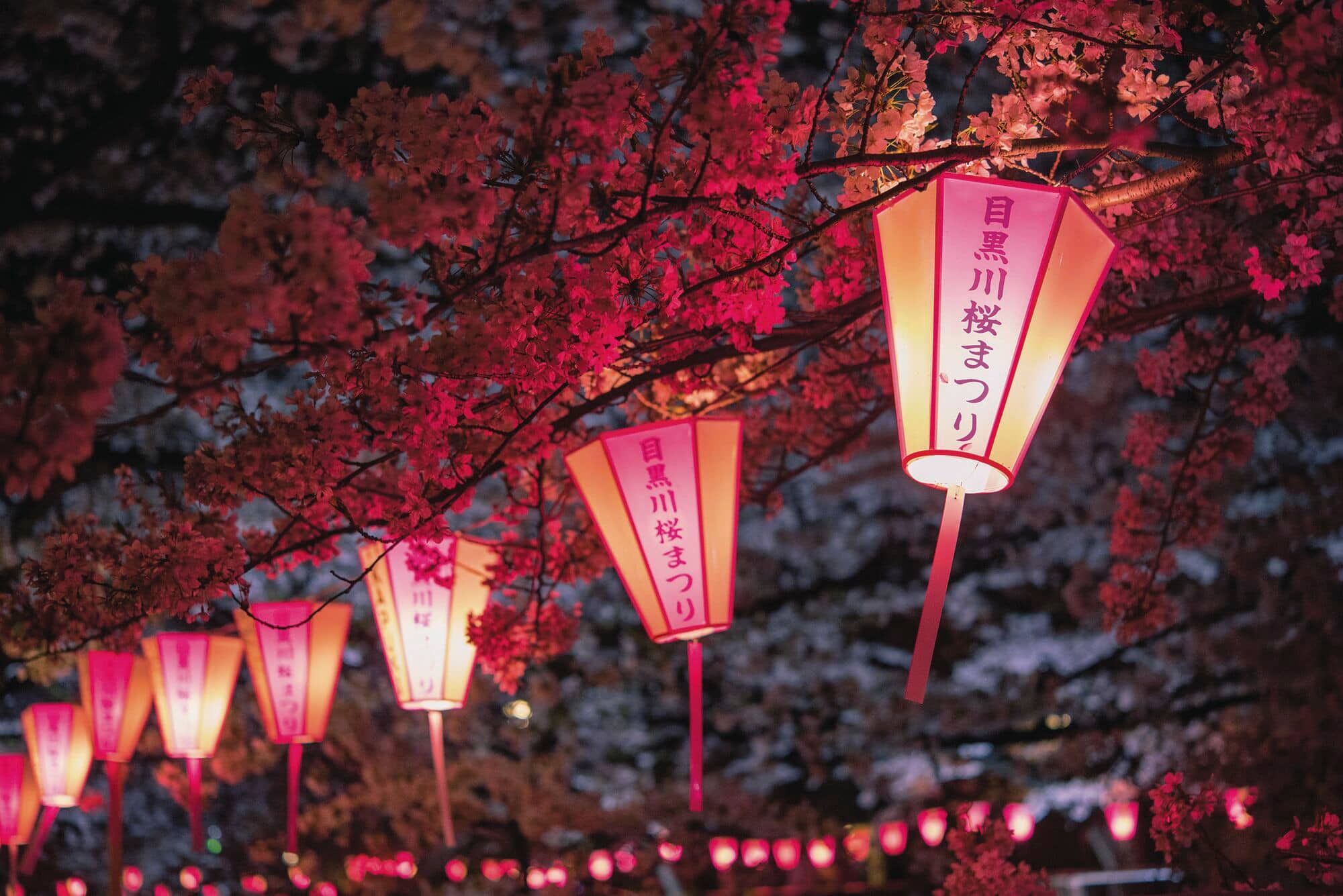
The Cherry Blossom Festival
Starting in April or late March, this nationwide festival – also called Hanami – celebrates the cherry blossom’s short flowering period, with gatherings in parks and along waterfronts in many cities.
Sanja Festival
This three-day festival’s held around Asakusa Shrine in Tokyo over the third weekend of May. Portable shrines are paraded around to live music, and there’s a real party atmosphere.
Kyoten
This week-long exhibition held in early June at Kyoto City KYOCERA Museum of Art celebrates Kyoto’s most skilled artists. Paintings, sculptures and calligraphy are just a few of the things on display.
Gion Matsuri
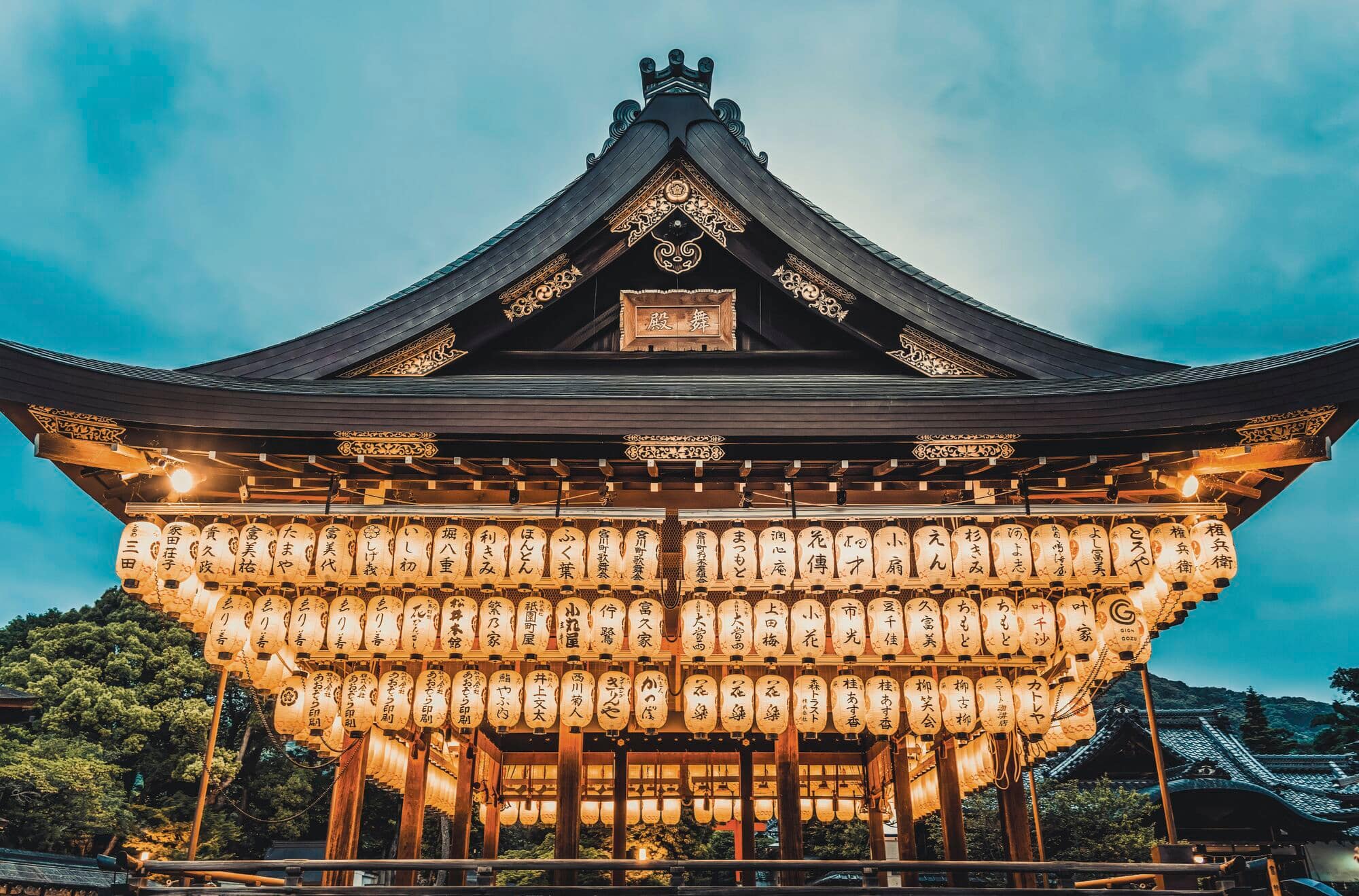
Street parties, food stalls and processions are among the highlights at one of Japan’s biggest and oldest festivals, held in Kyoto. It’s also known as the Festival of Yasaka Shrine.
Obon
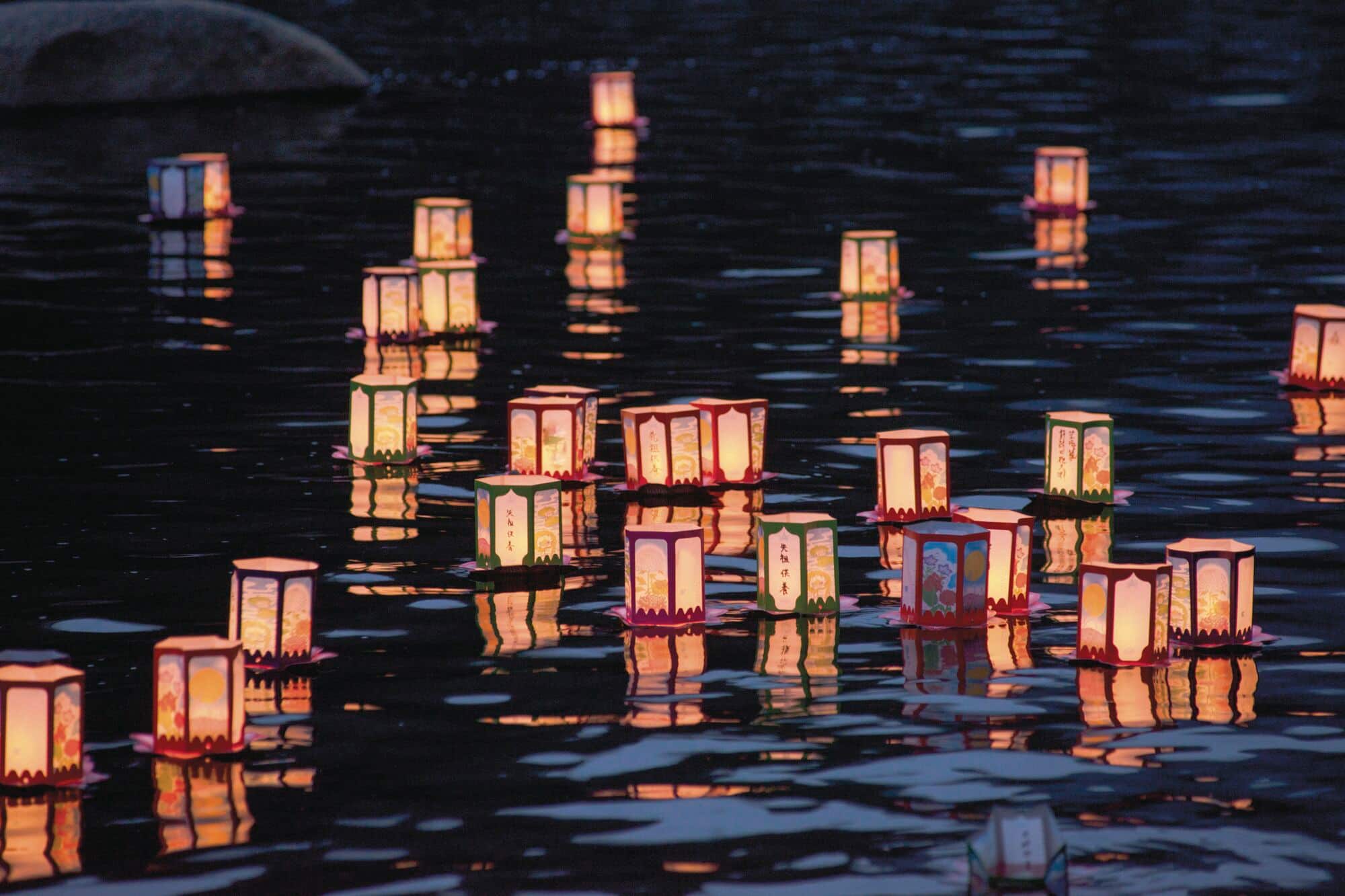
Usually falling in mid-August, Obon is a day where the Japanese honour their ancestors by leaving offerings and tending to shrines. Carnivals and live music are often on the agenda, too.
Cosmos Festival
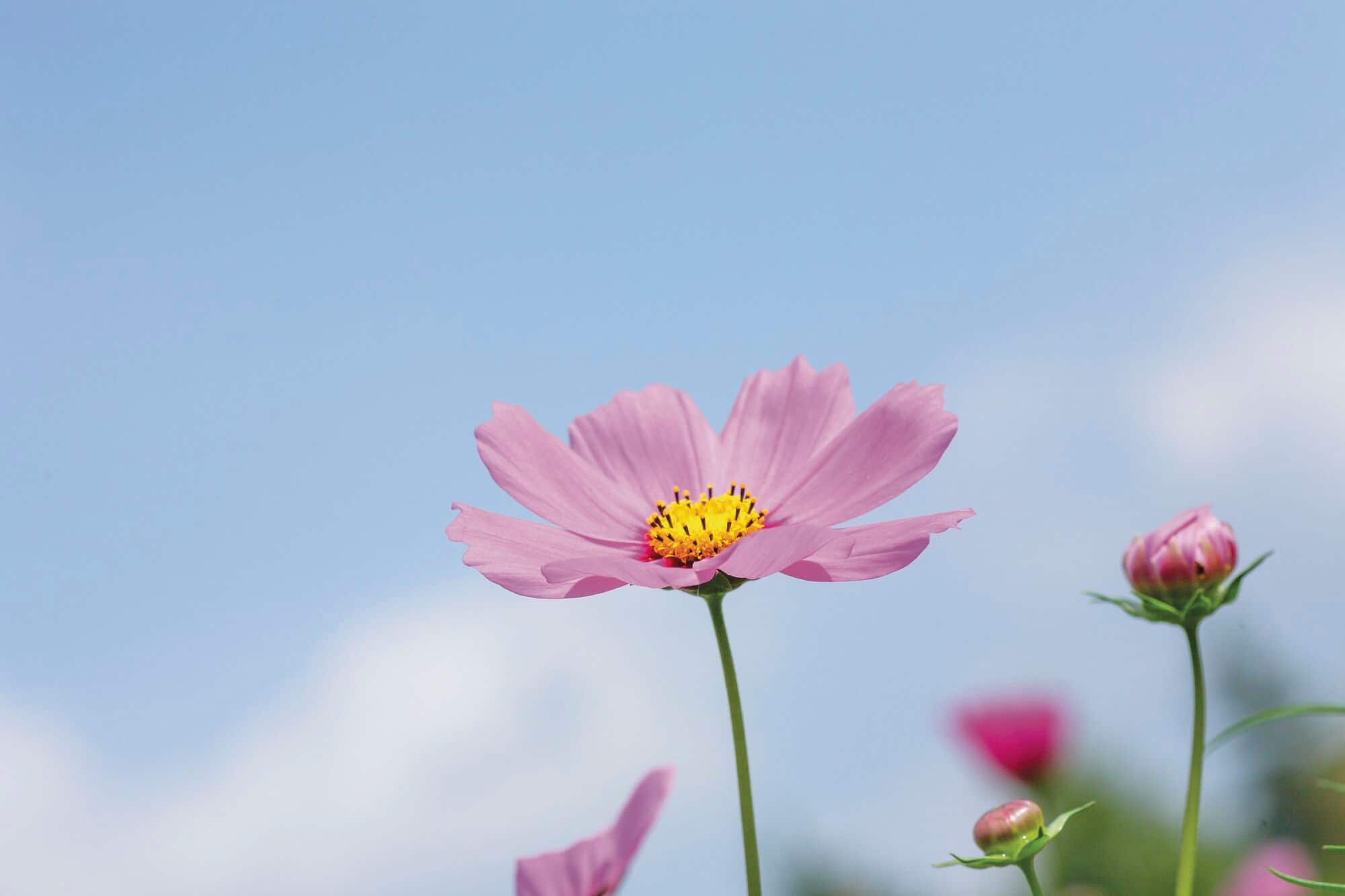
Showa Kinen Park in Tokyo hosts the Cosmos Festival each September and October. About four million cosmos flowers come into bloom, and there are dedicated photo spots where you can capture them.
Deer antler-cutting ceremony
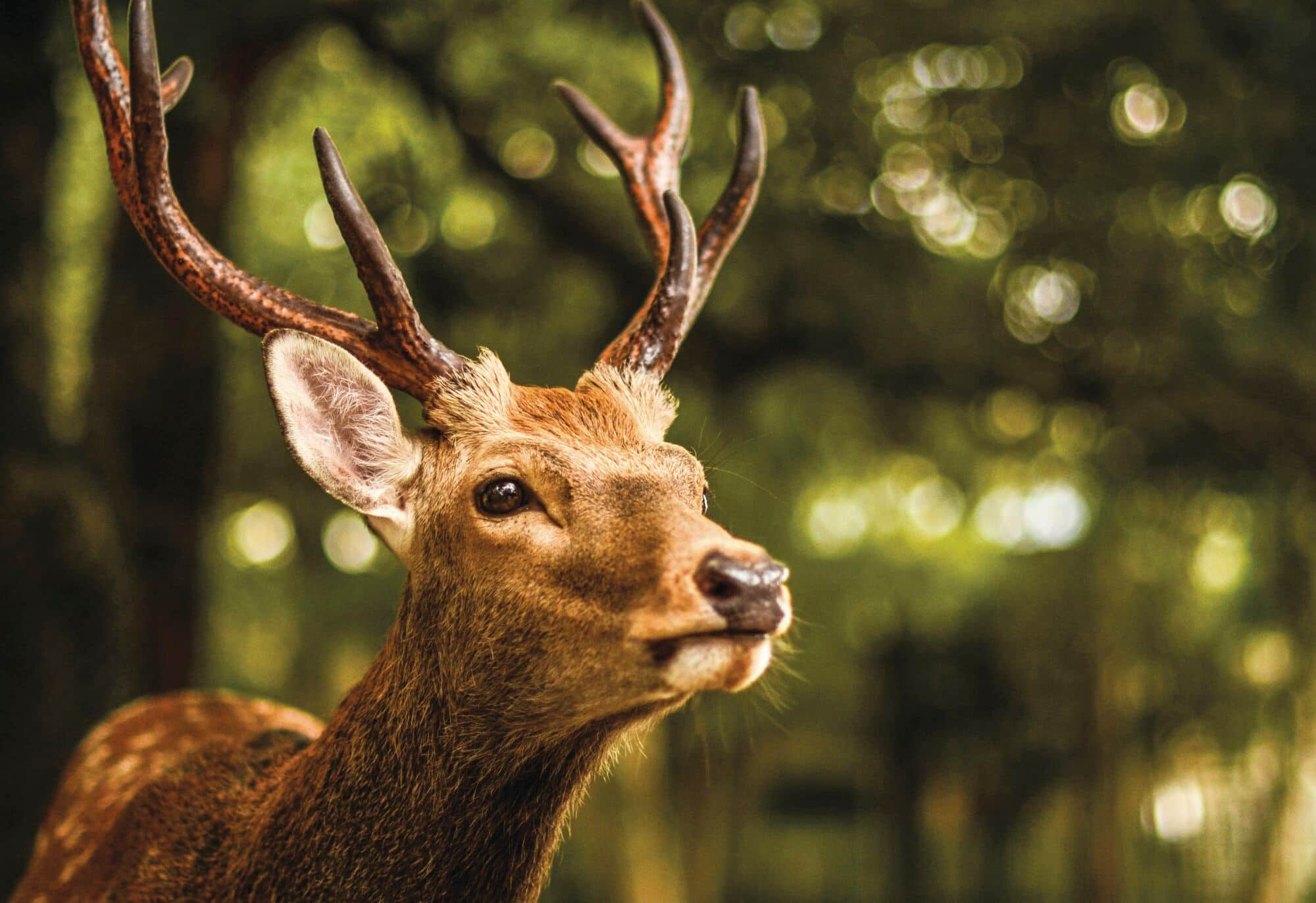
Each autumn, deer in Nara Park are rounded up to have their antlers cut in a ceremony dating back over 340 years. Don’t worry – it’s painless, and they grow back the following year.
Omicho Market Crab Festival
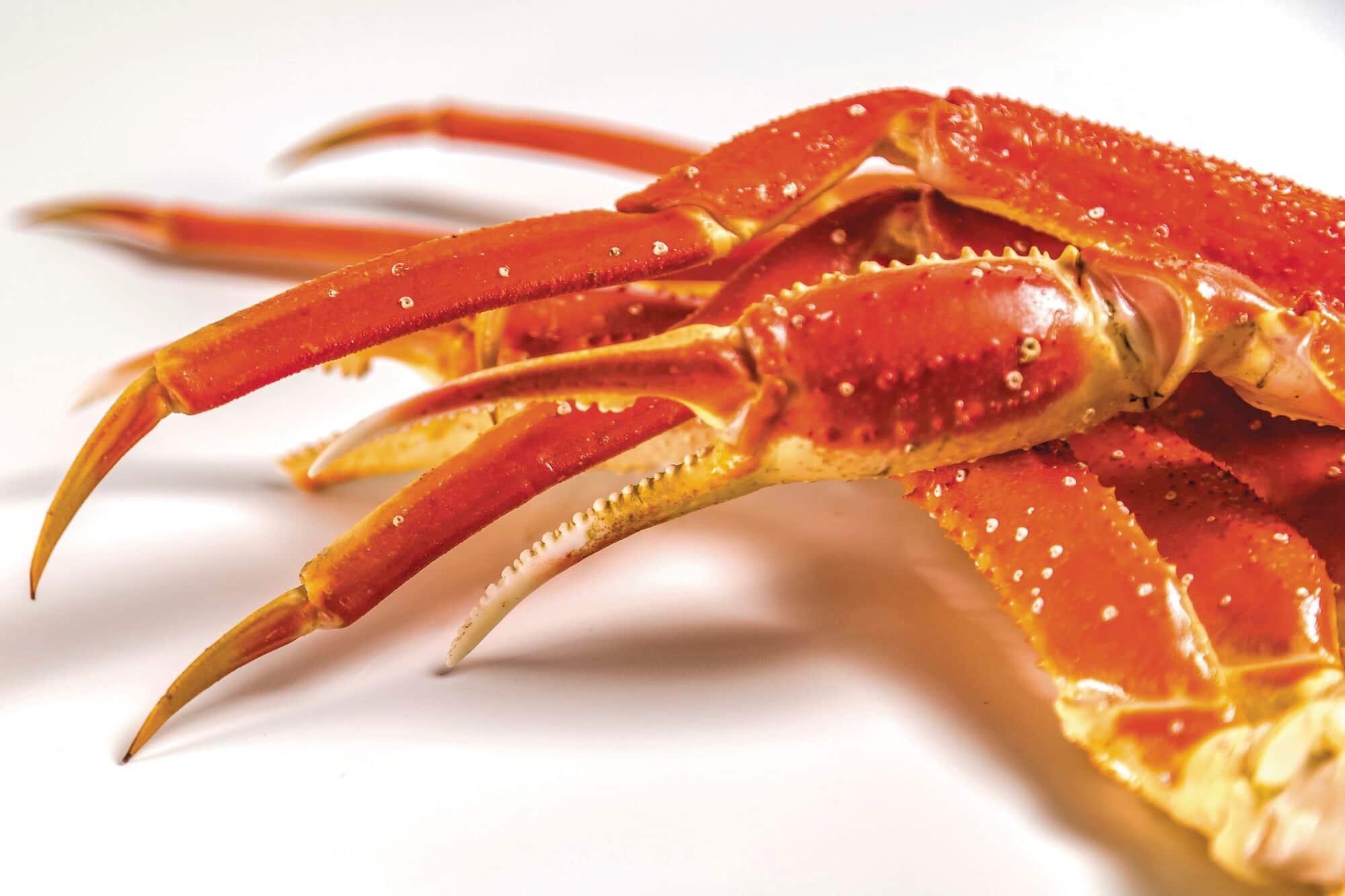
This annual Kanazawa festival dates back over 300 years, marking the start of the snow crab fishing season. Vivid red crabs cover the market stalls, and are served up in the form of soups and hotpots.
Christmas markets
Christmas markets in Japan blend European traditions – like trees, grilled sausages and mulled wine – with dazzling light displays. You’ll find them in major cities like Tokyo and Yokohama.
Take a look at our best deals, add handy holiday extras, or keep looking for travel inspiration.
Some FAQs are AI-generated. Use them as a helpful guide and confirm details before making travel decisions.
What should I pack for Japan?
For Japan, pack comfortable walking shoes for exploring cities and temples. Bring a mix of casual and smart-casual clothing, including a light jacket for cooler evenings. Don't forget a small towel, as many public restrooms don't provide them, and consider a portable Wi-Fi device for easy navigation.
Where are the best places to shop in Japan?
Japan offers diverse shopping experiences you'll love exploring. In Tokyo, we recommend visiting Ginza for luxury brands and Shibuya for trendy fashion. For traditional crafts and souvenirs, you'll find excellent options in Kyoto's Nishiki Market. Many areas also feature large department stores and unique 100-yen shops for budget-friendly finds.
Should I tip in Japan?
Tipping is not customary in Japan and can even be considered rude. You'll find that excellent service is provided without the expectation of extra payment. In restaurants, hotels, and taxis, the price you're quoted or see on the bill is the final amount you're expected to pay.
Where can I try local food in Japan?
Traditional Japanese cuisine can be found throughout Japan. We recommend trying local specialties in each region you visit. In Kyoto, you'll find excellent kaiseki (multi-course) restaurants. For sushi, Tokyo's Tsukiji Outer Market area is a great choice. Many hotels and resorts also offer authentic Japanese dining experiences, allowing you to enjoy traditional dishes without venturing far.
Are there any local customs I should know about in Japan?
When visiting Japan, it's polite to bow when greeting people, and removing shoes before entering homes and some traditional restaurants is expected. When using chopsticks, avoid pointing them at others or sticking them upright in your rice. If you're visiting temples or shrines, dress modestly and follow any specific instructions provided at the entrance.
What travel adapter do I need for Japan?
When visiting Japan, you'll find two-pin flat blade plugs, similar to those used in North America. For UK travellers, we recommend bringing a Type A adapter or Type B which has three-pins. Many hotels offer UK-style sockets, but it's best to be prepared with an adapter for all your devices.
What's the nightlife like in Japan?
In major cities like Tokyo and Osaka, you'll find everything from bars and clubs to traditional izakayas. Karaoke is a popular evening activity, and many areas have 'yokocho' alleyways filled with small bars and eateries. Remember that the last trains usually run around midnight, so plan your night accordingly.
What are the best beaches in Japan?
Japan boasts varied beaches for every taste. We recommend visiting Okinawa's tropical shores, like Emerald Beach or Sunayama Beach, for clear waters and white sand. If you're looking for a beach closer to Tokyo, Shirahama Beach in Izu Peninsula provides a lovely seaside escape with hot springs nearby.