
 Holidays
  Cruises

 Flights
  Hotel Only
  Deals
Deals  Destinations
  Extras
 Experiences
 Travel information
 Help Centre
;img.crop(width:1080%2Cheight:608))
;img.resize(height:608);img.crop(width:1080%2Cheight:608))
;img.crop(width:1080%2Cheight:608))
;img.crop(width:1080%2Cheight:608))
;img.resize(height:608);img.crop(width:1080%2Cheight:608))


Capital
Copenhagen
;img.crop(width:1080%2Cheight:608))
;img.crop(width:1080%2Cheight:608))
;img.crop(width:1080%2Cheight:608))
;img.crop(width:1080%2Cheight:608))
;img.crop(width:1080%2Cheight:608))
;img.crop(width:1080%2Cheight:608))
;img.crop(width:1080%2Cheight:608)&fit=thumb&w=782&h=394&q=70&fm=jpg)
Holidays to Denmark line up artsy cities, rolling countryside and some of Europe’s best-looking beaches.
Denmark spreads itself out over mainland Europe and a group of islands – more than 400 to be exact – so holidays here are as varied as they come. But cosmopolitan cities and outdoor adventures are what draw in most of the crowds. And the country’s been repeatedly dubbed the happiest in the world, so wherever you’re heading, you can expect a friendly welcome.
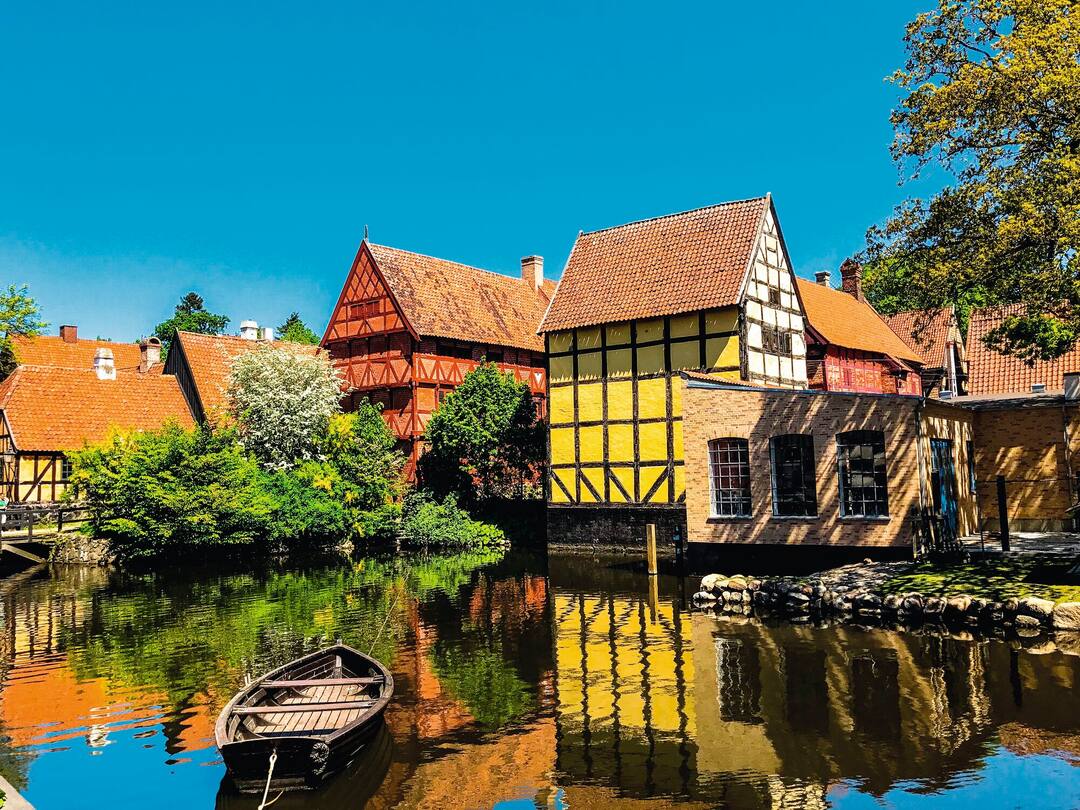
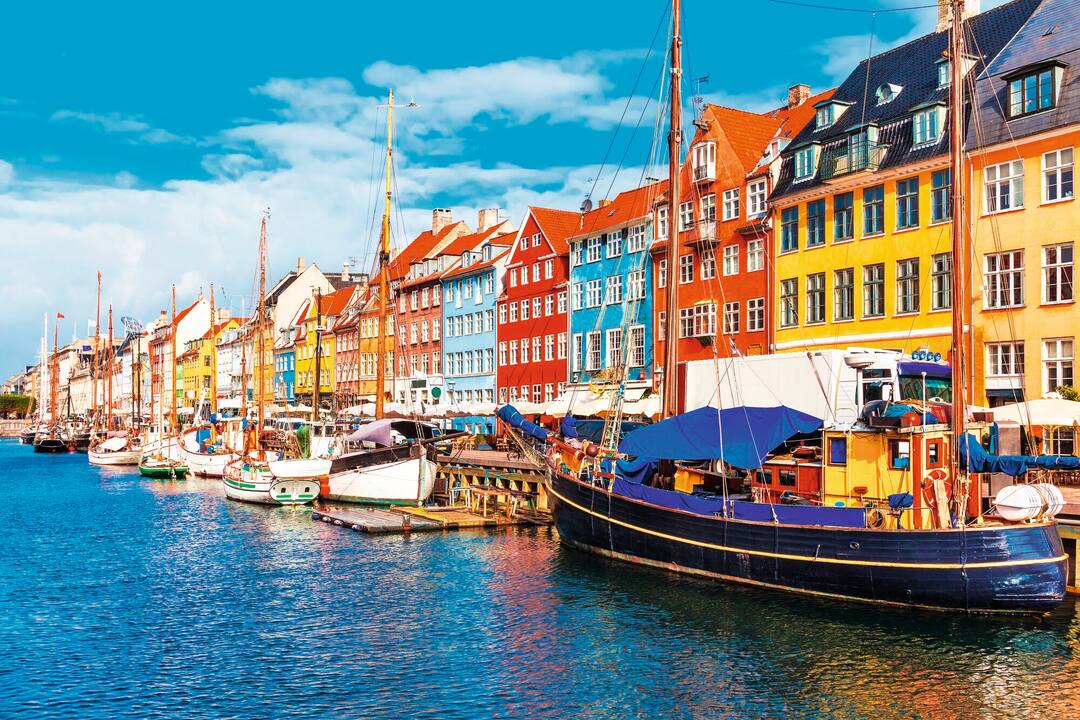
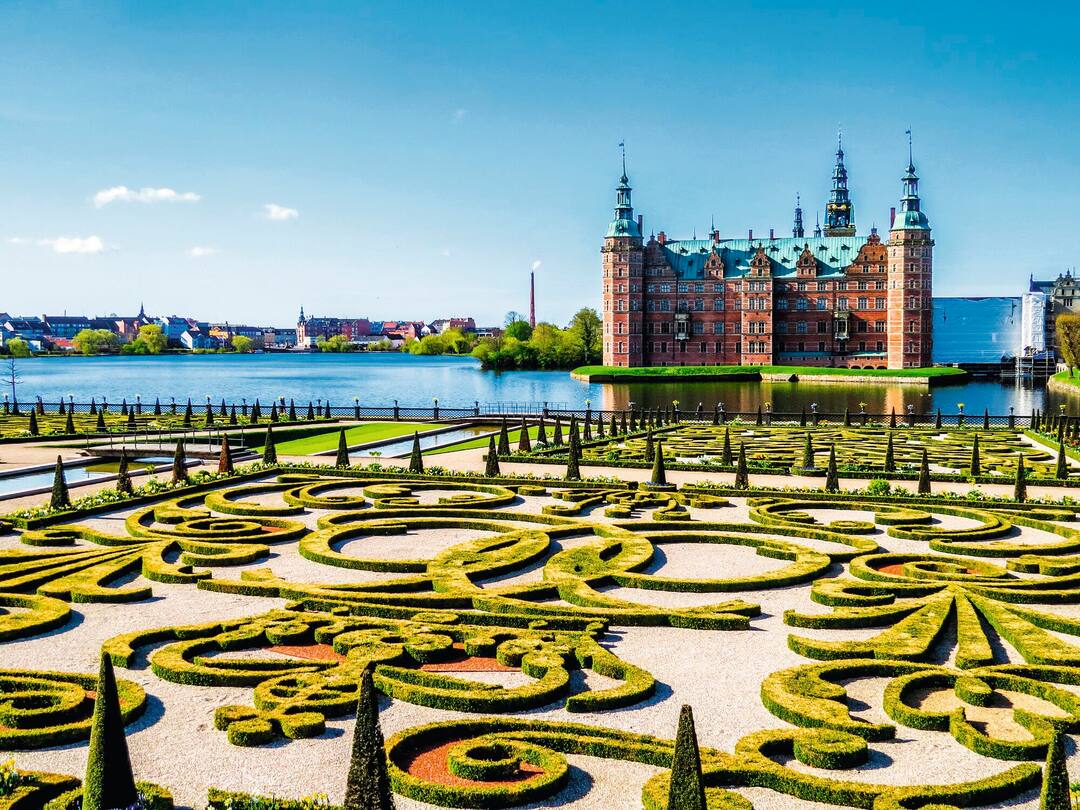
From criss-cross canals and rainbow-hued townhouses to a top-notch dining scene and one of the world’s oldest theme parks, Copenhagen has it all. And as Denmark’s capital city, it makes a great base for exploring more of the country. There’s a whole lot for art and history lovers to see here, too. Take the museum at Amalienborg Palace for example – it houses royal paintings dating back almost 400 years.
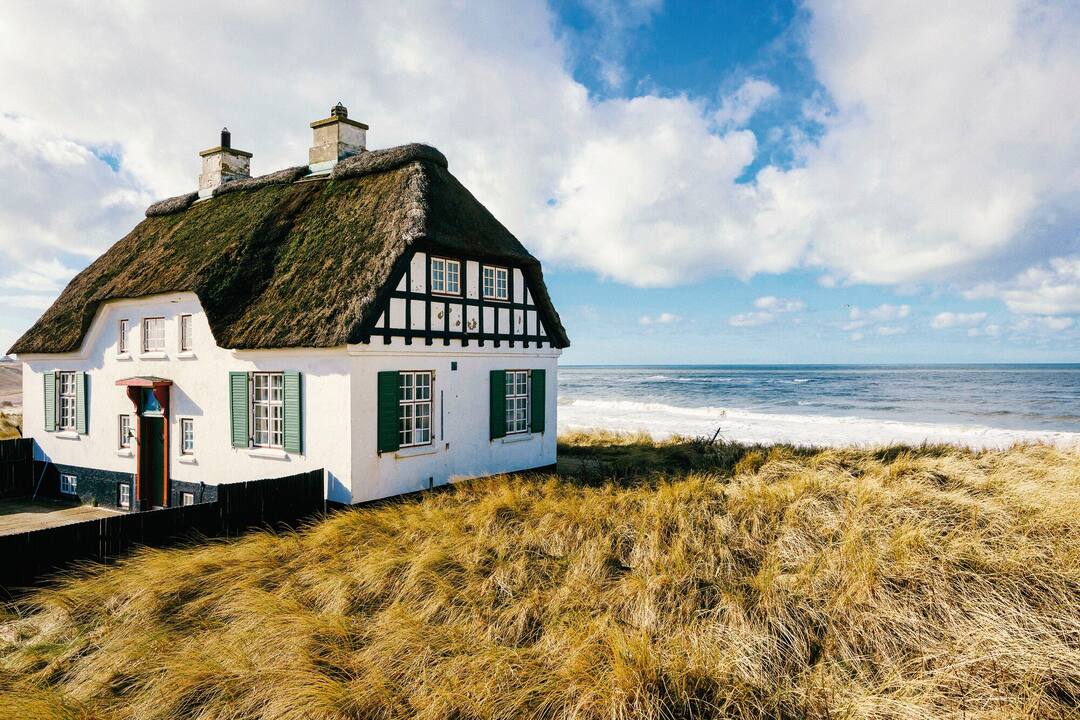
Beaches, forests, lakes – you name it, Denmark’s got it. Around 200 of the country’s beaches have been given the Blue Flag stamp of approval. And if you want to see the country’s wild side, you’ll find plenty of natural sights within easy reach of Copenhagen. Møns Klint is one of the most popular – and for good reason. It’s got towering chalk cliffs, Caribbean-like water and salad-green forest to thank for its picture-perfect looks.
Some FAQs are AI-generated. Use them as a helpful guide and confirm details before making travel decisions.
All your questions about entry requirements, visas, passports or health information are answered on our Travel Advice page.
What travel adapter do I need for Denmark?
When visiting Denmark, you'll need adapters for Type E plugs with two round pins and Type K plugs with two round pins and one grounding pin. Most UK electrical devices will require an adapter. Standard European travel adapters typically work well in Denmark. For high-powered devices, check the label to ensure they're compatible with Denmark's 230V supply.
Where are the best places to shop in Denmark?
For shopping in Denmark, visit Copenhagen's Strøget, one of Europe's longest pedestrian shopping streets, featuring everything from department stores to independent boutiques. Amagertorv square offers Danish design shops selling homewares and fashion. Explore Nyhavn area for smaller shops selling local crafts and keepsakes.
Where can I try local food in Denmark?
You'll find traditional Danish cuisine in local restaurants and cafes throughout Denmark. We recommend trying smørrebrød, open-faced sandwiches, at lunch spots in Copenhagen. For hearty Danish dishes, look for traditional inns called 'kro' in smaller towns. If you're staying at a resort, ask your TUI rep about nearby eateries serving Danish specialties. Local food markets, like Torvehallerne in Copenhagen, are great for sampling traditional foods and fresh produce.
Should I tip in Denmark?
Tipping isn't customary or expected in Denmark as service charges are typically included in your bill. However, if you receive exceptional service at restaurants or bars, rounding up the bill or leaving a small extra amount is appreciated but not mandatory.
What are the best beaches in Denmark?
Denmark boasts beautiful beaches along its coastline. We recommend visiting Blokhus Beach in North Jutland for its wide sandy shores, or Dueodde Beach on Bornholm Island for its fine white sand. Many coastal resorts offer easy access to lovely beaches perfect for relaxation and water activities.
What's the nightlife like in Denmark?
Denmark has a lively nightlife scene centred around Copenhagen. The Meatpacking District offers bars, live music venues and nightclubs. Nyhavn has waterfront bars with a relaxed atmosphere, while Vesterbro is known for craft beer pubs and late night venues with local DJs.
What should I pack for Denmark?
For Denmark, pack layers for changeable weather. Bring a waterproof jacket, comfortable walking shoes, and a warm sweater. Include a universal adapter, any necessary medications, and a reusable water bottle. Don't forget sunglasses and a camera to capture Denmark's beautiful sights.
Are there any local customs I should know about in Denmark?
When visiting Denmark, locals value punctuality and personal space, and greetings are usually a firm handshake. Cycling is a major part of daily life, so stay aware of bike lanes and pedestrian paths. Locals appreciate quiet conversation in public spaces and restaurants, and a polite demeanour is always welcomed.
Take a look at our best deals, add handy holiday extras, or keep looking for travel inspiration.