
 Holidays
  Cruises

 Flights
  Hotel Only
  Deals
Deals  Destinations
  Extras
 Experiences
 Travel information
 Help Centre
;img.crop(width:1080%2Cheight:608))
;img.crop(width:1080%2Cheight:608))
;img.crop(width:1080%2Cheight:608))
;img.crop(width:1080%2Cheight:608))


Currency
Zloty
(PLN)
;img.crop(width:1080%2Cheight:608))
;img.crop(width:1080%2Cheight:608))
;img.crop(width:1080%2Cheight:608))
;img.crop(width:1080%2Cheight:608))
;img.crop(width:1080%2Cheight:608))
;img.crop(width:1080%2Cheight:608))
;img.crop(width:1080%2Cheight:608)&fit=thumb&w=782&h=394&q=70&fm=jpg)
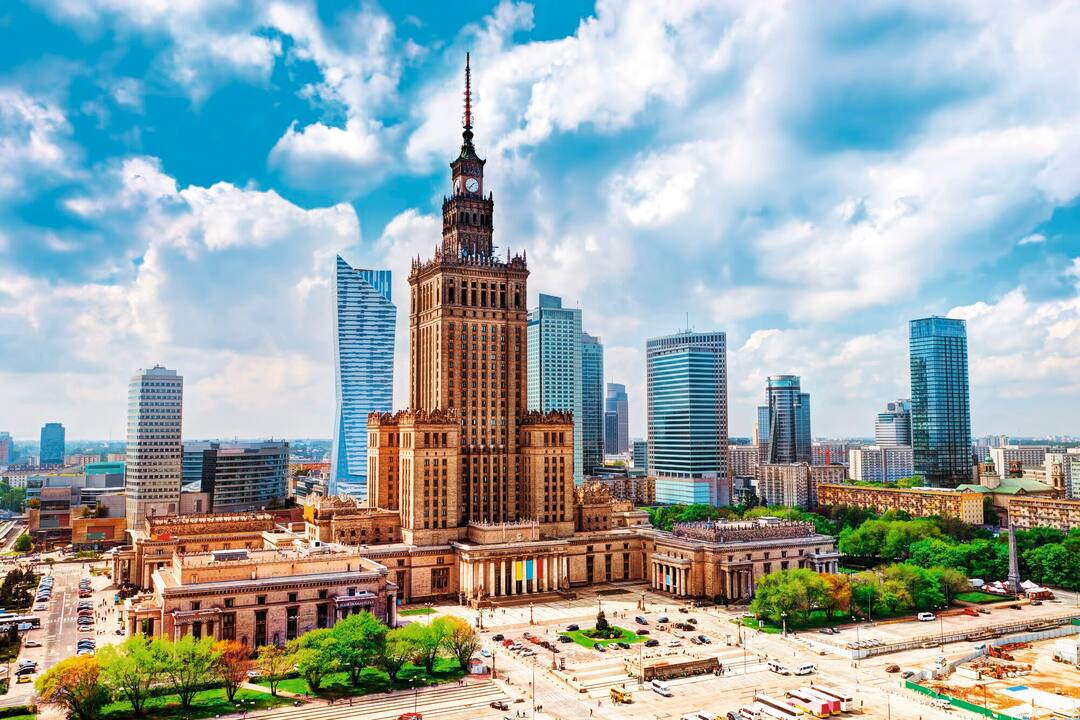
City breaks to Warsaw shine a spotlight on historic sites – think palaces, castles and cobbled market squares.
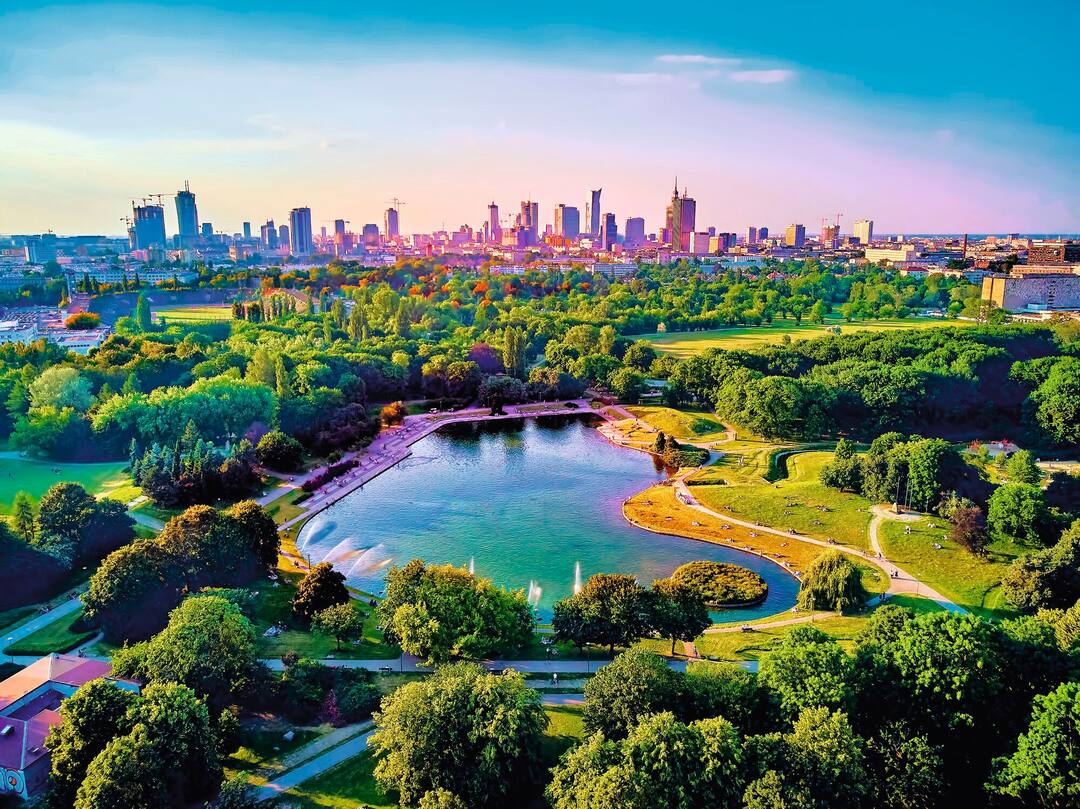
Warsaw’s Poland’s capital, and the country’s biggest city. So, it’s hardly surprising that it ticks a lot of boxes on the city break front. There’s a quaint old town to explore, a bunch of historic sites to check out, and a something-for-everyone food scene to get your teeth into. Plus, if you’re happy to venture outside the city limits, you can add bison-roamed forests and tranquil lakes to your sightseeing schedule.
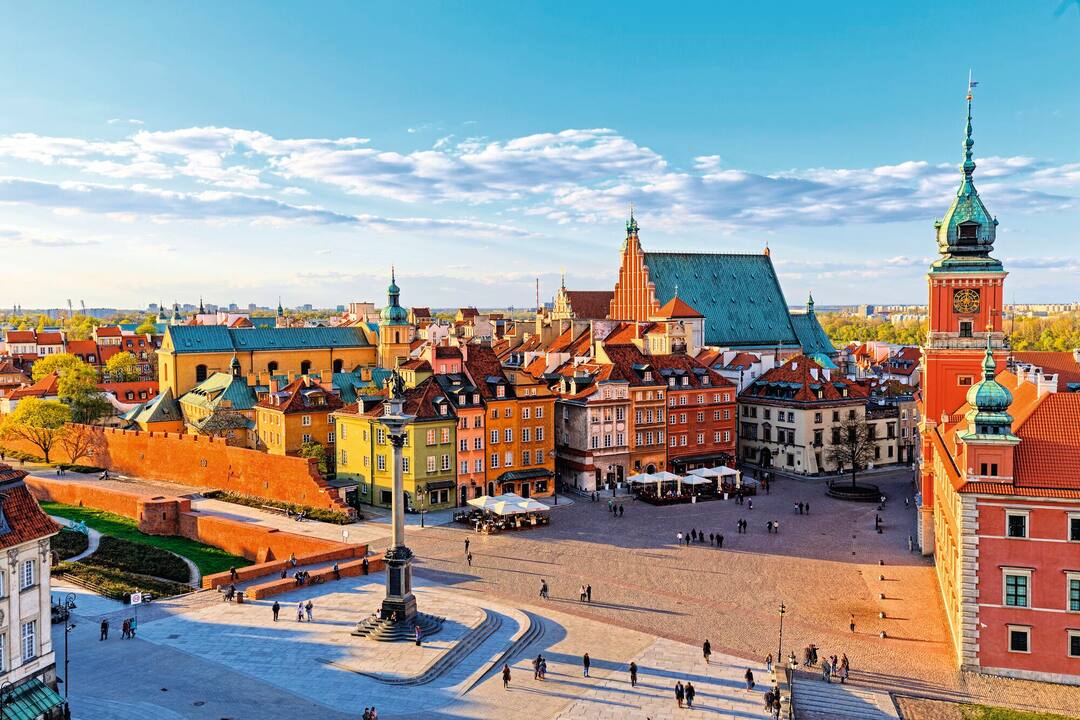
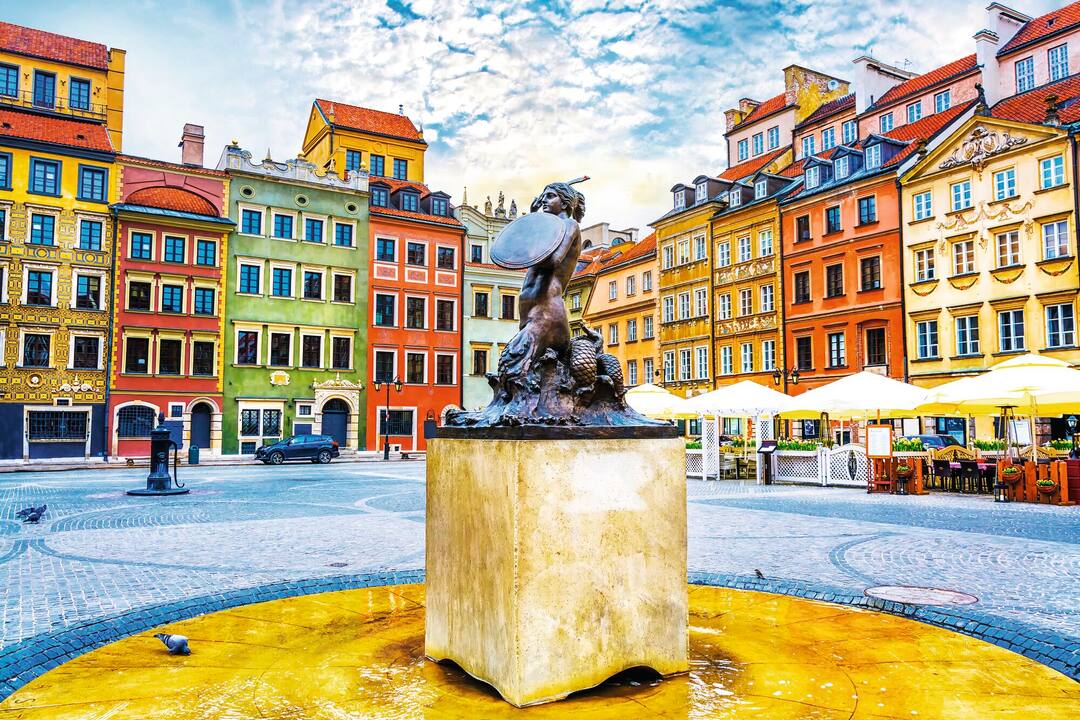
Imagine narrow, paved streets and cobbled squares lined with colourful tenement houses, and you’ll have a pretty good idea of what Warsaw’s UNESCO-listed old town looks like. The Royal Castle stands at the centre of it all – this red-hued structure houses plenty of must-sees, like original Rembrandt paintings, maze-filled gardens and a throne room. And if that’s not enough of a history fix for you, you can stroll along the old city walls or check out medieval tombs inside St. John’s Archcathedral.
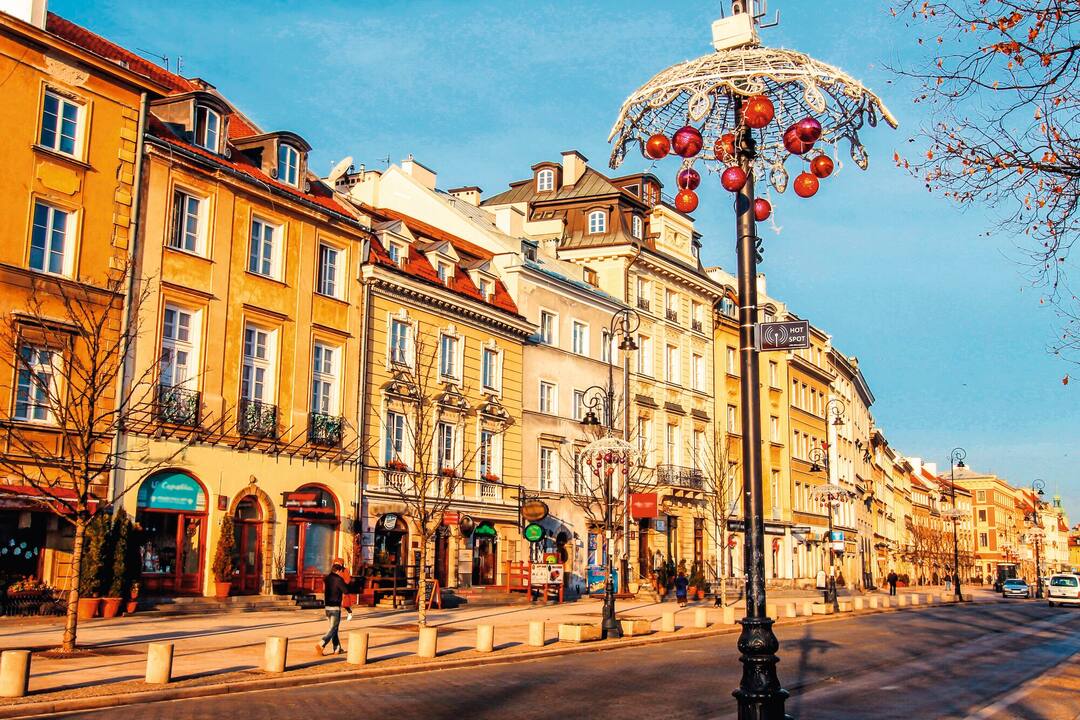
Warsaw’s new town was the first area to be built outside the old city walls. So, it’s far less modern than its name suggests – in fact, it’s one of the city’s oldest neighbourhoods, dating all the way back to the 14th century. The New Town Market Square sits in the middle. And if you wander around the surrounding streets, you’ll spot handfuls of Baroque-style churches, a pair of old palaces and a scattering of authentic Polish restaurants.
Warsaw’s got something else to shout about – it’s within daytripping distance of some of Poland’s most scenic natural spots. Take the Białowieża Forest, for example – a three-hour drive from the city. This sprawling woodland’s a designated UNESCO World Heritage site, and it’s home to the endangered European bison. In around the same time, you can drive to the Great Masurian Lake District, where thousands of lakes are scattered across dense forest and farmland.
Take a look at our best deals, add handy holiday extras, or keep looking for travel inspiration.
Some FAQs are AI-generated. Use them as a helpful guide and confirm details before making travel decisions.
What travel adapter do I need for Warsaw?
When visiting Warsaw, you'll need a European-style plug adapter. The standard outlets use two-pin plugs Type C and E. Most hotels have these sockets, but it's advisable to bring an adapter if your devices have UK-style plugs.
What are the best beaches in Warsaw?
While Warsaw isn't known for beaches, you'll find pleasant urban beaches along the Vistula River during summer. We recommend visiting Poniatówka or Saska Kępa beaches for a relaxing day by the water, where you can enjoy sunbathing, beach volleyball, and riverside cafes.
Where can I try local food in Warsaw?
For authentic Warsaw cuisine, we recommend visiting traditional Polish restaurants in the Old Town or Praga district. Try local specialties like pierogi (dumplings), żurek (sour rye soup), or Warsaw-style herring. Don't miss the iconic 'milk bars' for a taste of nostalgic Polish comfort food.
Where are the best places to shop in Warsaw?
Warsaw offers diverse shopping experiences. You'll find modern malls like Złote Tarasy and Arkadia for international brands, while the Old Town and Nowy Świat street are great for boutiques and souvenirs. For local products and unique gifts, we recommend exploring the trendy Praga district.
Should I tip in Warsaw?
In Warsaw, tipping is appreciated but not mandatory. For good service at restaurants, we recommend leaving around 10-15% of the bill. In taxis and for other services, rounding up the fare or leaving a small amount is common practice.
What's the nightlife like in Warsaw?
Warsaw offers varied nightlife across the city. Head to Mazowiecka Street for cocktail bars and clubs, or explore Pawilony courtyard for alternative music venues. The Praga district features craft beer bars and live music spots with a local atmosphere.
What should I pack for Warsaw?
For Warsaw, pack comfortable walking shoes for exploring the city. Bring a mix of casual and smart-casual clothing, a light jacket for cooler evenings, and an umbrella as weather can be unpredictable. Don't forget any necessary medications and a universal adapter for your electronics.
Are there any local customs I should know about in Warsaw?
When visiting Warsaw, it's polite to greet locals with "dzień dobry", which means good morning or good day and is pronounced jen dob-rih. When visiting churches, dress modestly by covering shoulders and knees, and locals appreciate it when you make an effort to use a few Polish phrases. Tipping around 10% for good service is common in restaurants and is a nice gesture for helpful service.