
 Holidays
  Cruises

 Flights
  Hotel Only
  Deals
Deals  Destinations
  Extras
 Experiences
 Travel information
 Help Centre
;img.crop(width:1080%2Cheight:608))
;img.crop(width:1080%2Cheight:608))
;img.crop(width:1080%2Cheight:608))
;img.crop(width:1080%2Cheight:608))
;img.crop(width:1080%2Cheight:608))
;img.crop(width:1080%2Cheight:608))


Capital
Zagreb
;img.crop(width:1080%2Cheight:608))
;img.crop(width:1080%2Cheight:608))
;img.crop(width:1080%2Cheight:608))
;img.crop(width:1080%2Cheight:608))
;img.crop(width:1080%2Cheight:608))
;img.crop(width:1080%2Cheight:608))
;img.crop(width:1080%2Cheight:608)&fit=thumb&w=782&h=394&q=70&fm=jpg)
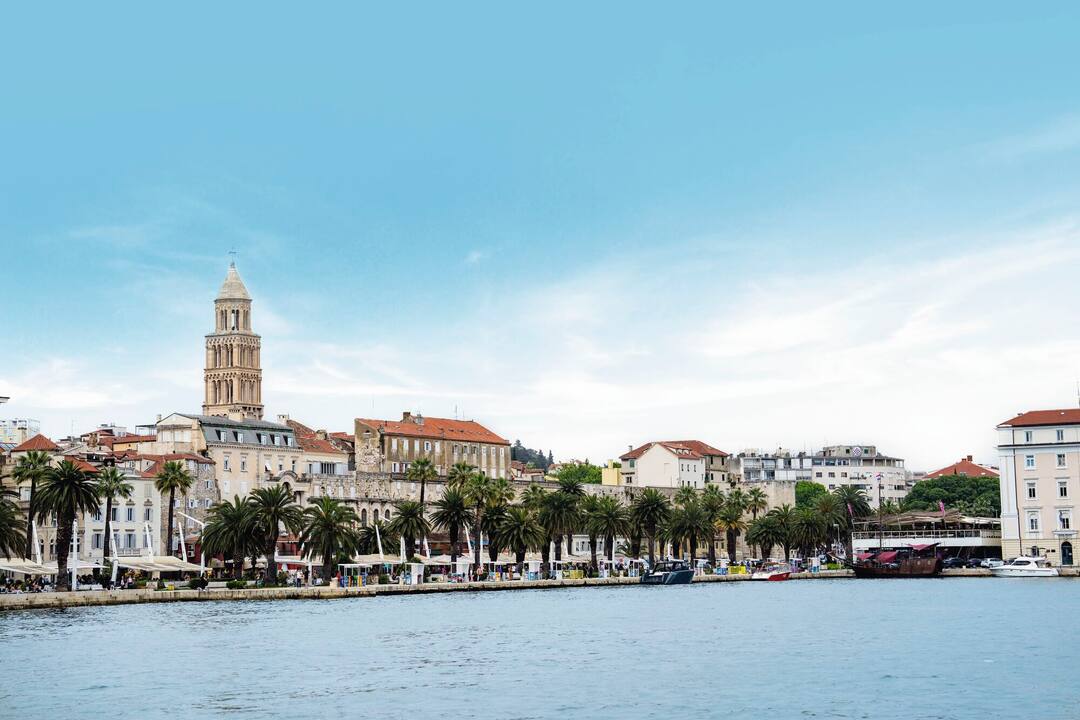
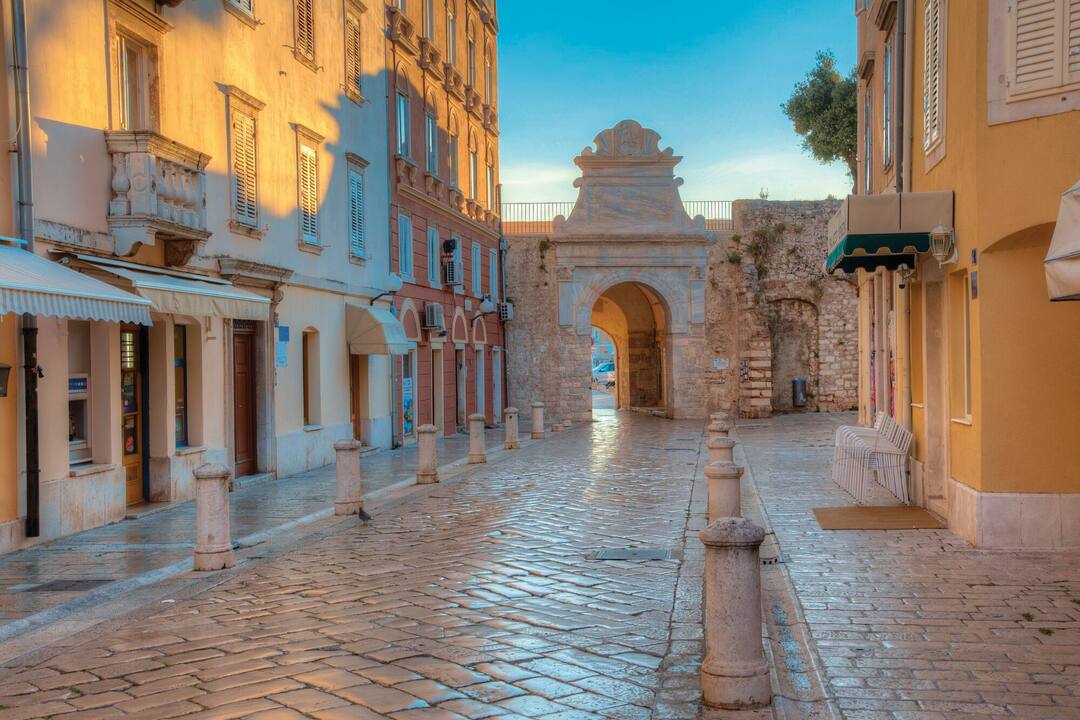
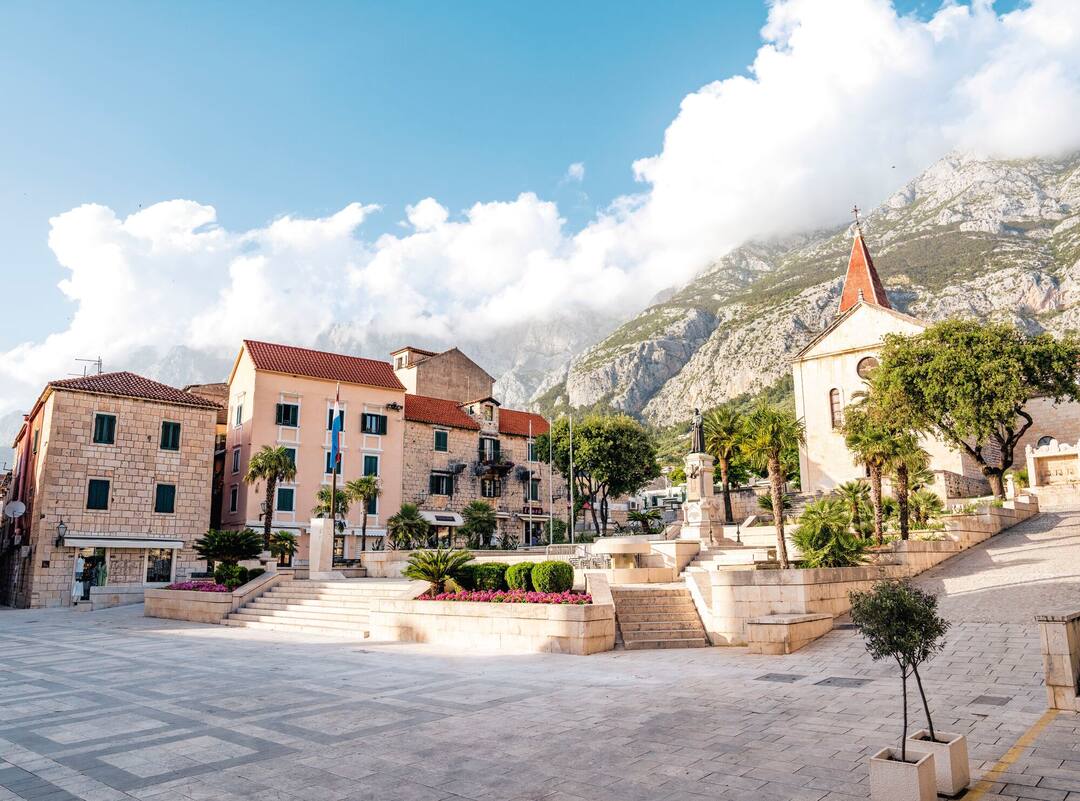
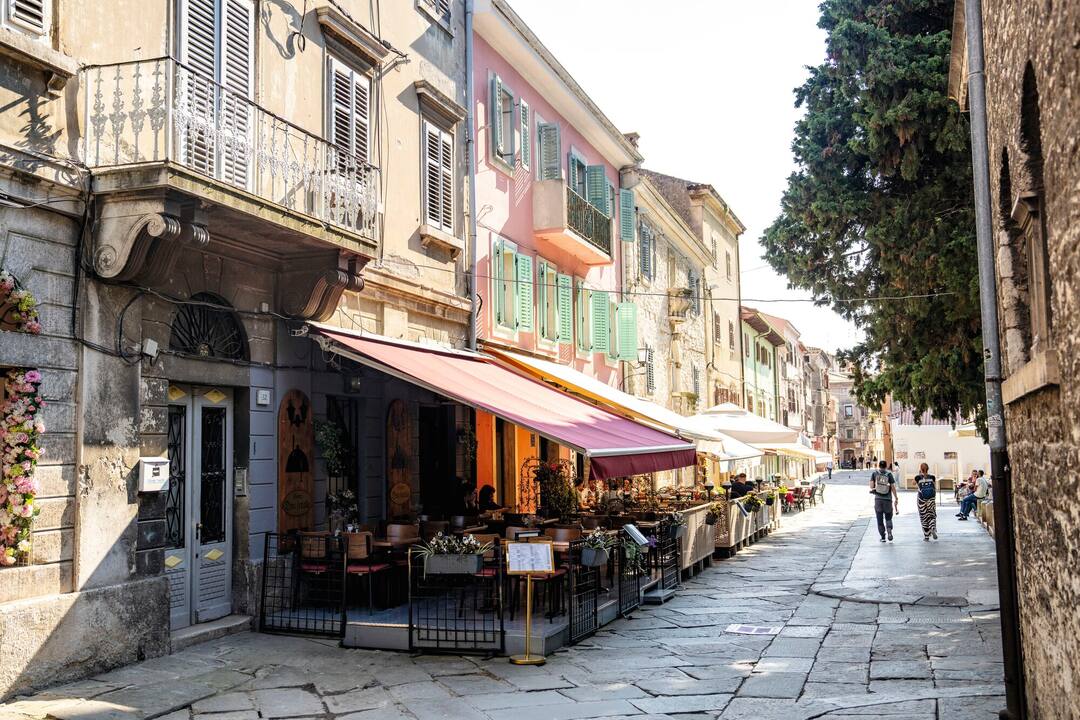
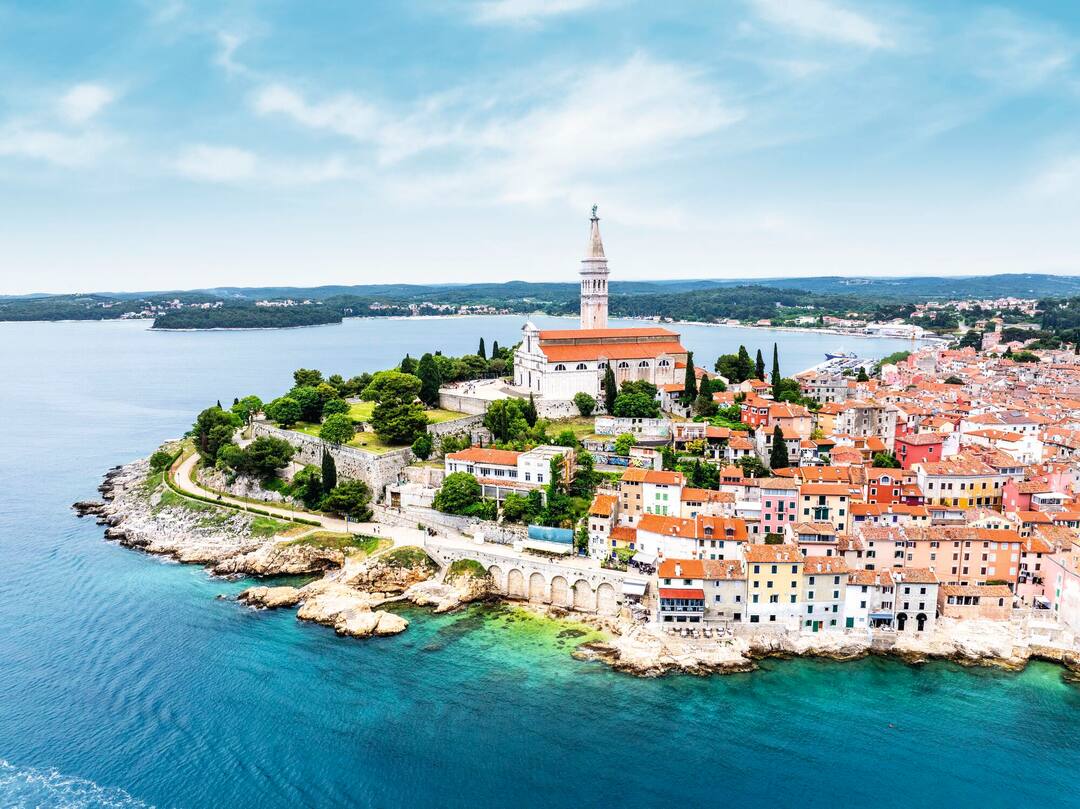
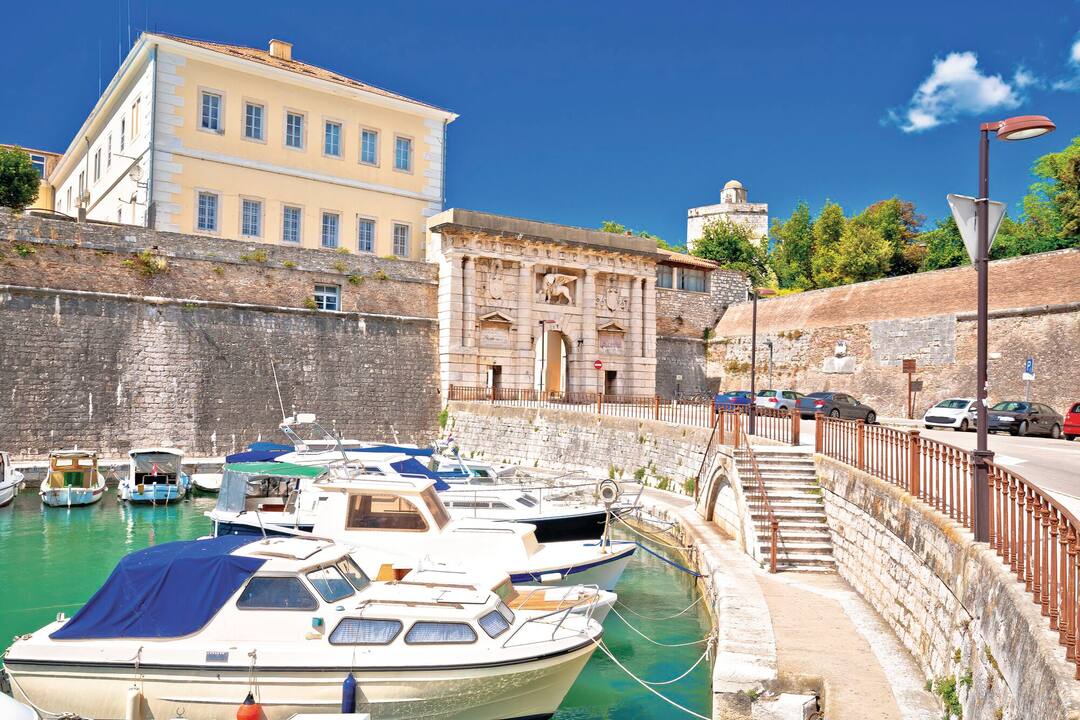
Croatia holidays have really crept onto the radar over the last few years. This scenic part of south east Europe scores highly on everything from its beaches along the Adriatic Coast, to its colourful history in cities like Split and Dubrovnik.
More than 550 kilometres separates north Croatia from the south, but the climate is surprisingly uniform across the country. Along the coast, you can expect a Mediterranean climate made up of long hot summers and mild winters. The best time to take a holiday here is between early June and late September – July and August are peak beach weather months if you’re chasing warm Adriatic waters. At this time of year, temperatures on the coast and around the islands range from the mid-twenties to the low thirties. The best time to travel to Croatia for sightseeing are the shoulder seasons in May and October when temperatures are a little lower.
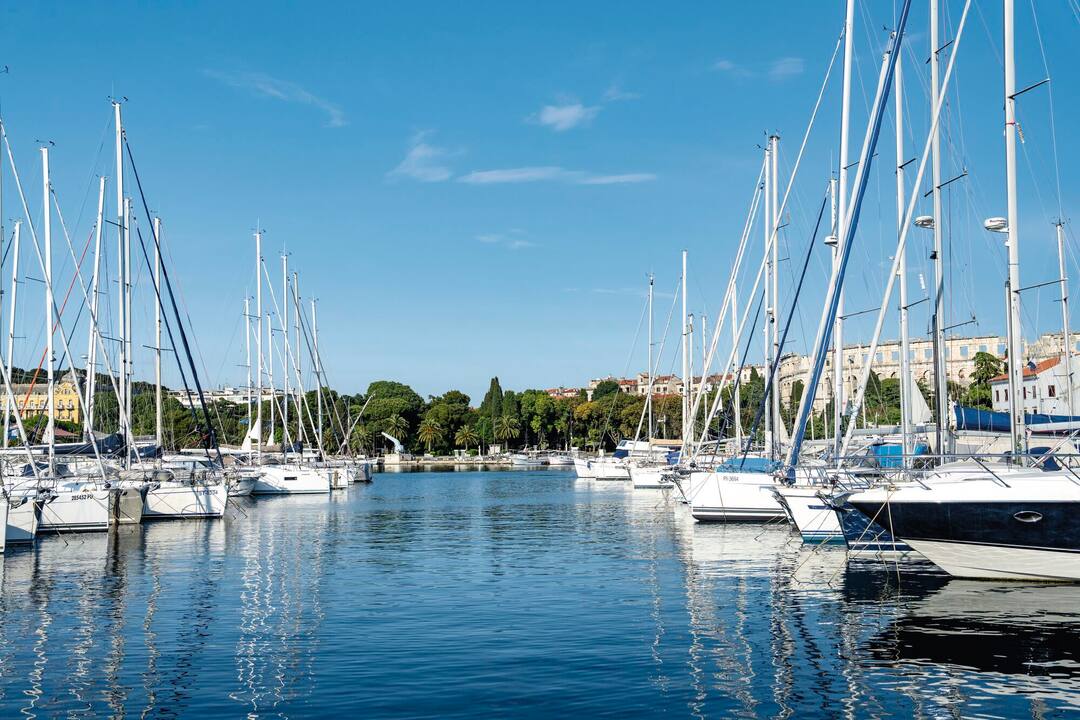
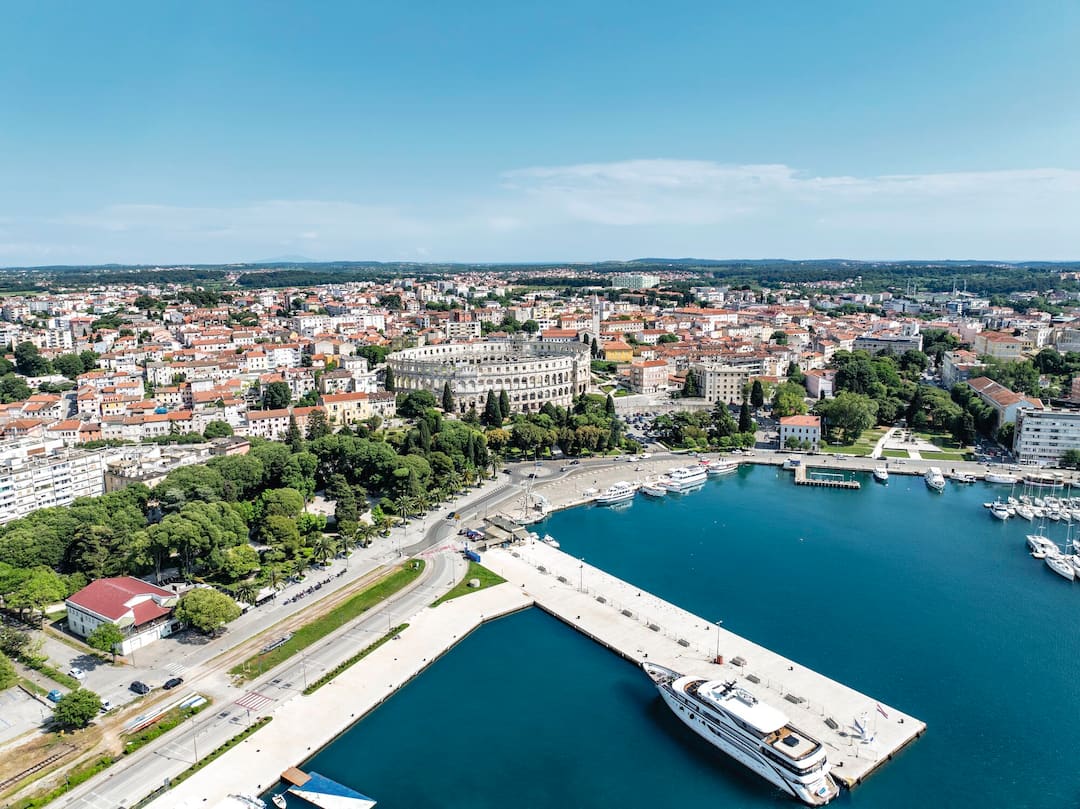
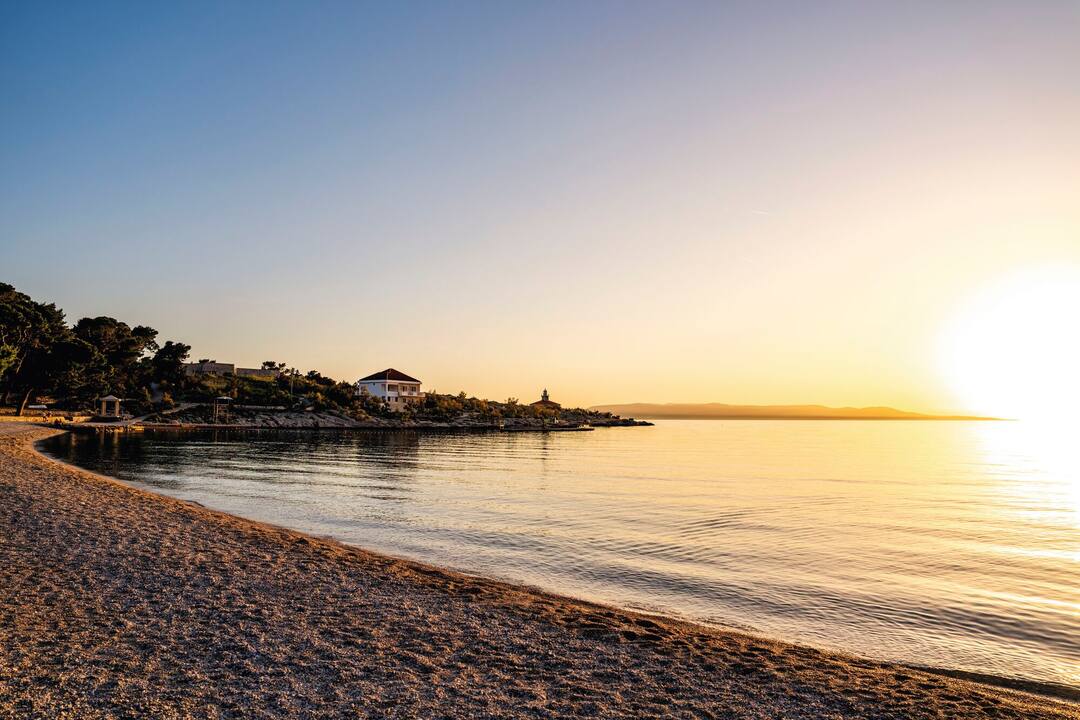
A large part of Croatia’s appeal comes from its coastline. The seaside here stretches out for 1,778 kilometres and 1,185 islands float off the shores. Each place has its own calling card. The likes of Kolocep and Mljet put Mother Nature in the driving seat, while Hvar and Dubrovnik are favourites with celebrities and film-makers. Then there’s Brac Island, which is known for its iconic, fin-shaped beach – Zlatni Rat. If you can’t settle on just one place, a TUI Tour or Multi-Centre holiday is sure to do the trick.
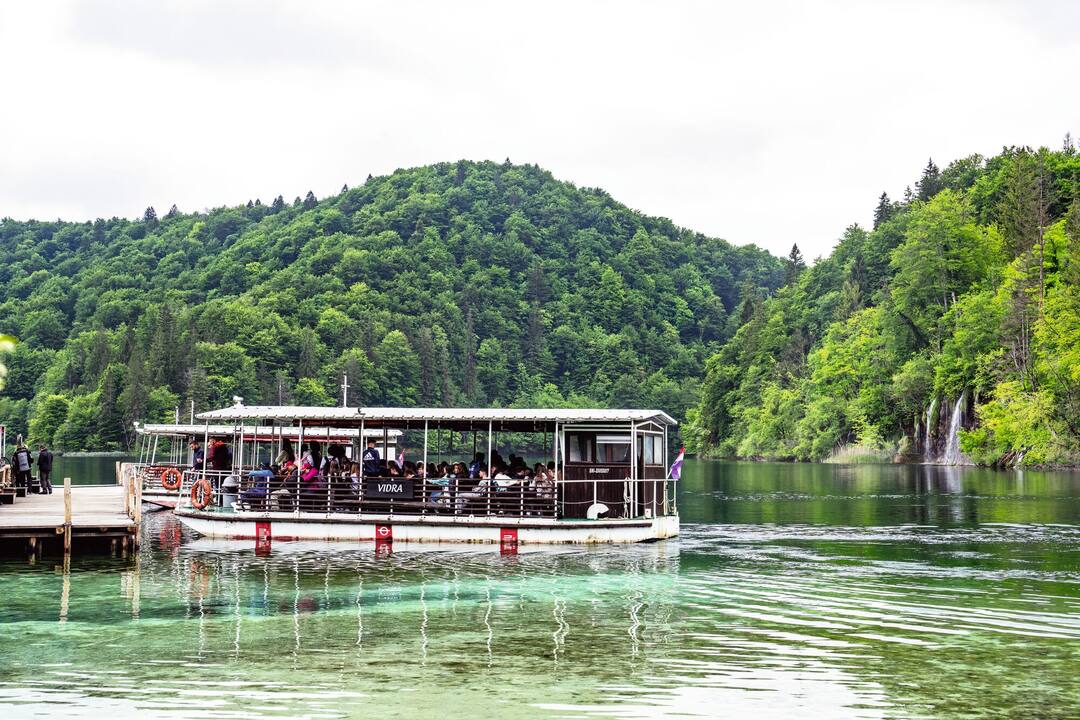
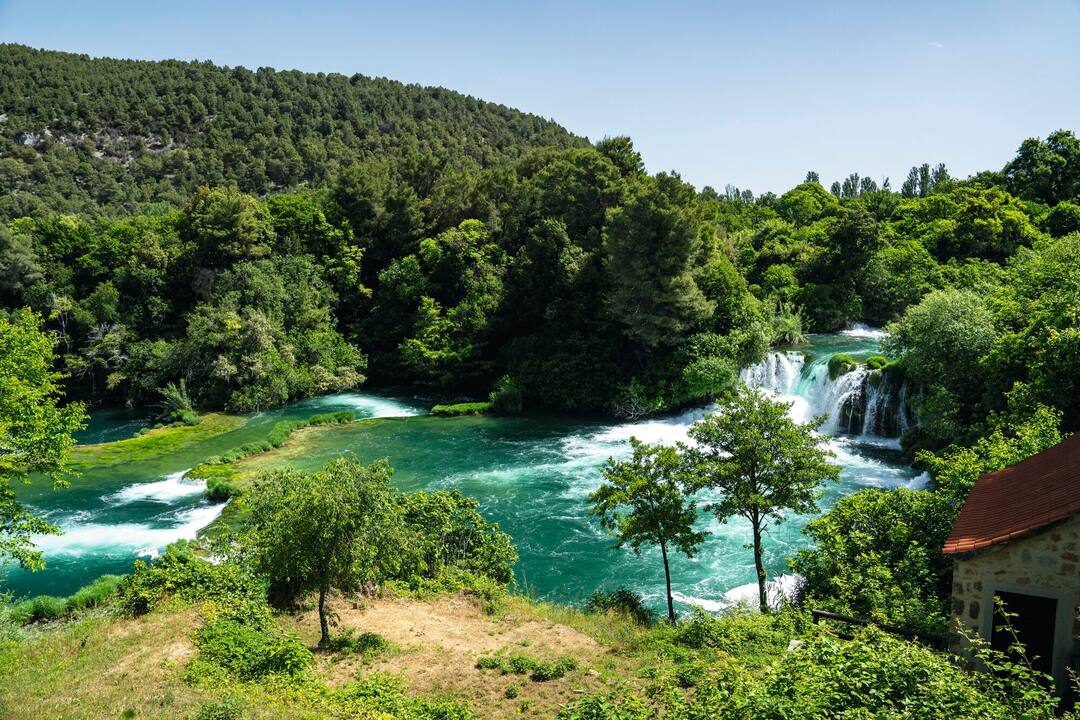
Croatia’s scenic national parks score highly when it comes to natural beauty. A visit to Plitvice Lakes reveals a landscape of cascading waterfalls and emerald forests that seem straight out of a storybook, and it’s a similar story at Krka National Park. Paklenica National Park, meanwhile, is better known for its dramatic canyons and black pine forests, while Kornati National Park is an archipelago in the northern part of Dalmatia, which is made up of 89 separate islands.
Croatia ticks plenty of boxes when it comes to choosing the right holiday. Its safe, pebble beaches make it popular for family holidays, while there are plenty of adults-only hotels with a five-star rating for grown-ups only getaways. All Inclusive holidays are rising in popularity here, too, while if you’re on a budget, there are plenty of cheap deals if you opt for self catering, or book a last-minute holiday.
Some FAQs are AI-generated. Use them as a helpful guide and confirm details before making travel decisions.
All your questions about entry requirements, visas, passports or health information are answered on our Travel Advice page.
What should I pack for Croatia?
For Croatia, pack a mix of beachwear and smart-casual clothing. Bring swimsuits, sun cream, and sandals for coastal areas. Include comfortable walking shoes for exploring historic towns, and a light jacket for evenings. Pack modest clothing for visiting religious sites, and quick-dry towels for pebble beaches.
Should I tip in Croatia?
Tipping in Croatia is appreciated but not mandatory. In restaurants, it's common to round up the bill or leave 10-15% for good service. For other services like taxis or hotel staff, rounding up or giving a small amount is welcomed if you're satisfied with the service.
Where can I try local food in Croatia?
For local food in Croatia, visit konobas, traditional taverns, for peka, slow-cooked meat and vegetables, and fresh Adriatic seafood. Coastal areas serve black risotto, grilled fish and octopus salad. Inland regions offer hearty stews, cured meats and truffles, with local bakeries serving burek and fritule throughout the country.
What are the best beaches in Croatia?
Croatia features some of the best beaches including Zlatni Rat Beach on Brac Island with its distinctive golden pebble spit and watersports. Banje Beach in Dubrovnik offers views of the Old Town with clear waters. Sakarun Beach on Dugi Otok provides white sand and shallow turquoise waters ideal for families.
What's the nightlife like in Croatia?
Croatia's nightlife ranges from relaxed beachfront bars to lively clubs and live music venues. Coastal towns like Split and Dubrovnik offer waterfront bars and open-air nightclubs, while Zagreb features cocktail bars and concert halls. Many hotels also host evening entertainment and poolside bars.
Are there any local customs I should know about in Croatia?
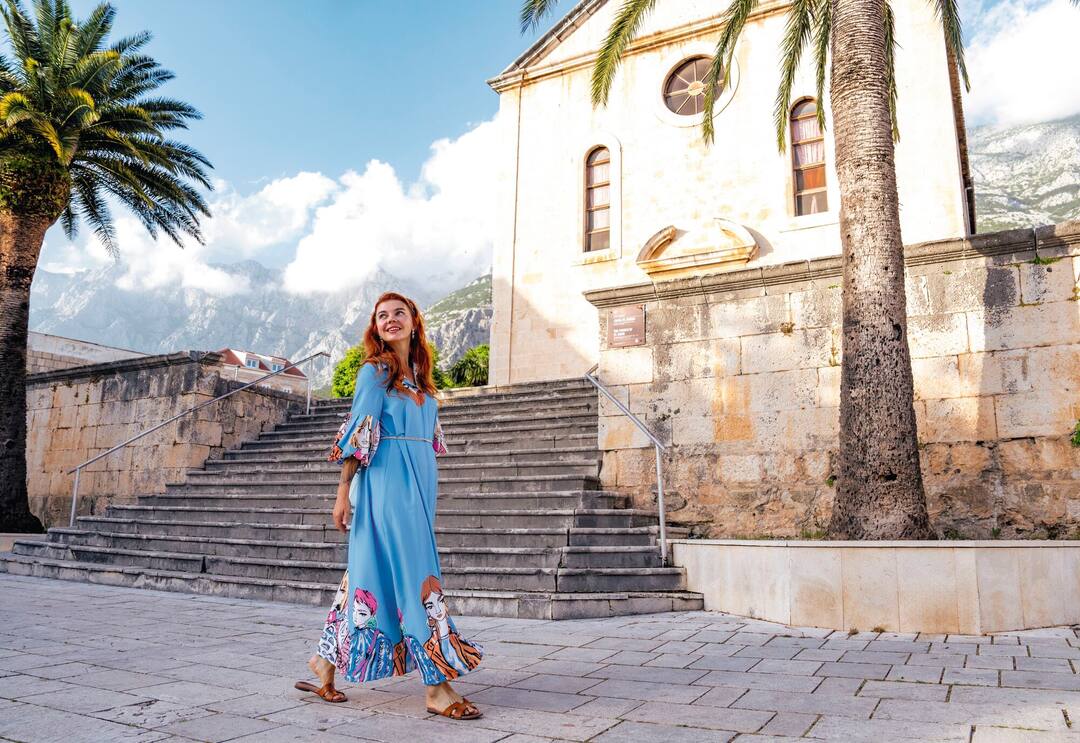
When visiting Croatia, locals generally appreciate politeness and respect for local customs. Greet people with a friendly 'dobar dan' for good day. When visiting churches or religious sites, dress modestly by covering shoulders and knees. It's polite to ask before taking photos of people. In restaurants, wait to be seated unless it's a very casual setting.
Where are the best places to shop in Croatia?
Croatia offers diverse shopping experiences. In Zagreb, you'll find modern malls and boutiques on Ilica Street. Split's Riva promenade and Diocletian's Palace area are great for souvenirs and local products. Many coastal towns have markets where you can buy local specialties, while resorts often have convenient shops for essentials.
What travel adapter do I need for Croatia?
When visiting Croatia, you'll need a European-style plug adapter. The standard outlets use two-pin plugs, known as Type C and Type F. We recommend bringing at least one adapter for your devices, as UK-style plugs are not commonly found in Croatian hotels.
Take a look at our best deals, add handy holiday extras, or keep looking for travel inspiration.