
 Holidays
  Cruises

 Flights
  Hotel Only
  Deals
Deals  Destinations
  Extras
 Experiences
 Travel information
 Help Centre
;img.crop(width:1080%2Cheight:608))
;img.crop(width:1080%2Cheight:608))
;img.crop(width:1080%2Cheight:608))
;img.crop(width:1080%2Cheight:608))


;img.crop(width:1080%2Cheight:608))
;img.crop(width:1080%2Cheight:608))
;img.crop(width:1080%2Cheight:608))
;img.crop(width:1080%2Cheight:608))
;img.crop(width:1080%2Cheight:608))
;img.crop(width:1080%2Cheight:608))
Currency
Euro
(EUR)
;img.resize(height:608);img.crop(width:1080%2Cheight:608))
;img.crop(width:1080%2Cheight:608))
;img.crop(width:1080%2Cheight:608))
;img.crop(width:1080%2Cheight:608))
;img.crop(width:1080%2Cheight:608))
;img.crop(width:1080%2Cheight:608)&fit=thumb&w=782&h=394&q=70&fm=jpg)
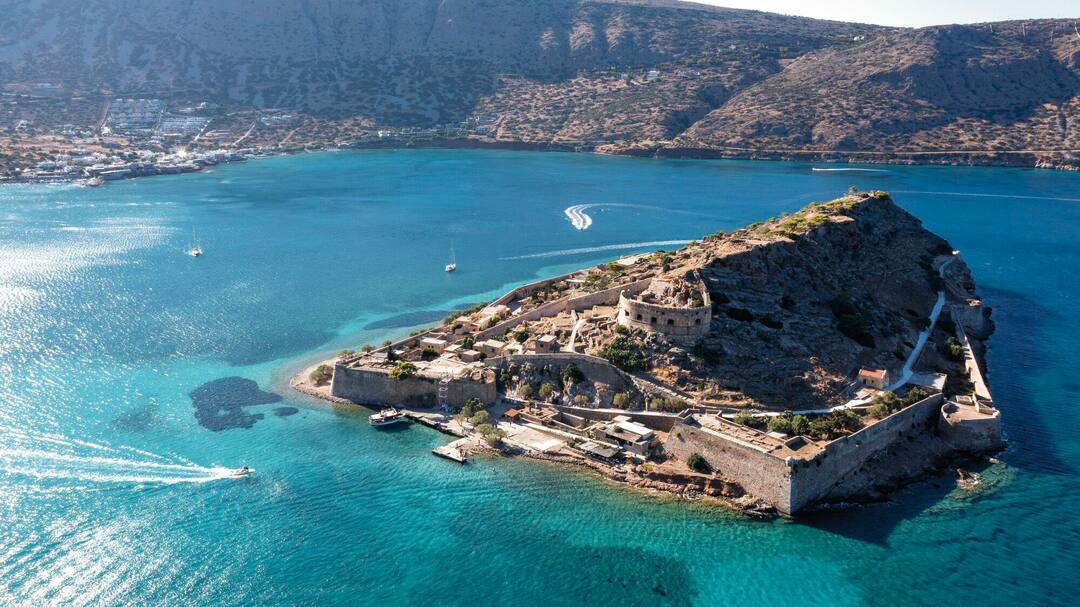
Holidays to Crete revolve around sandy beaches, scenic countryside, and an encyclopaedic offering of myths and legends.
Crete subscribes to the bigger is better school of thought. Not only is it the largest of the Greek Islands, but it’s the fifth biggest island in the Mediterranean Sea – Corsica pips it to the fourth place post by just a few hundred acres.
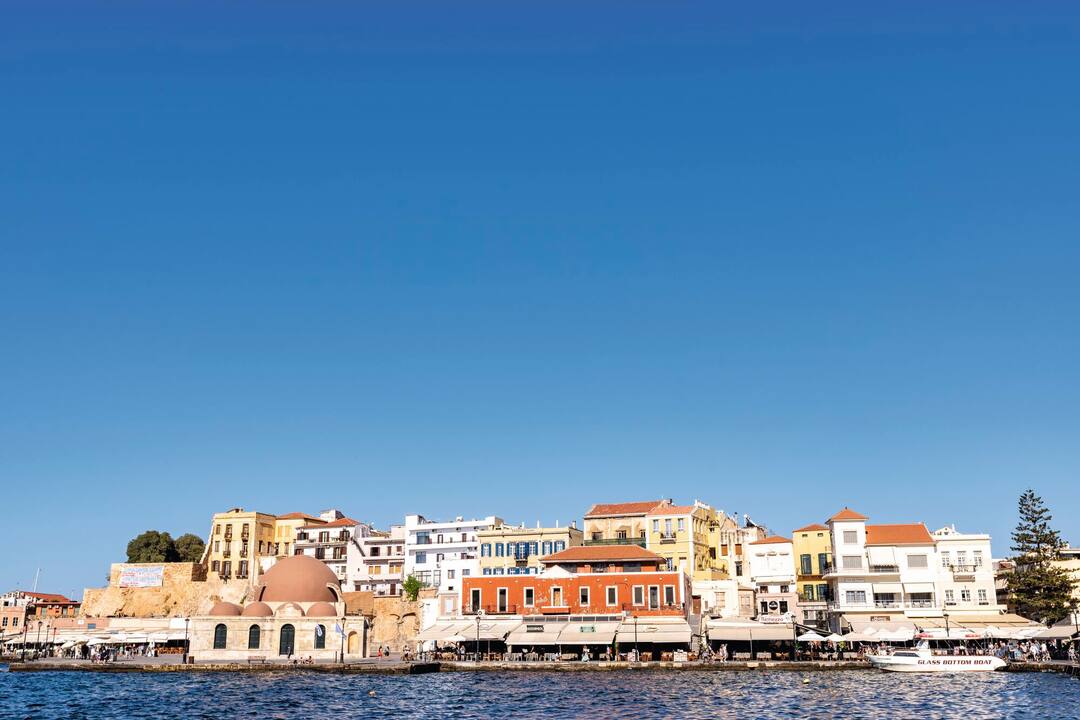
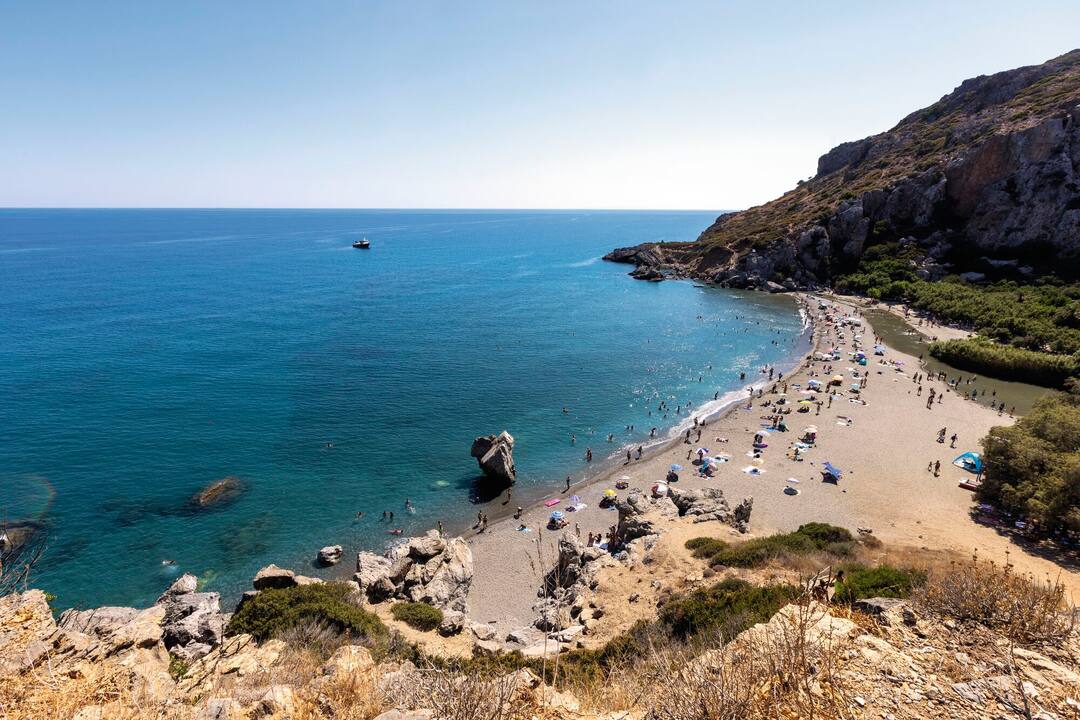
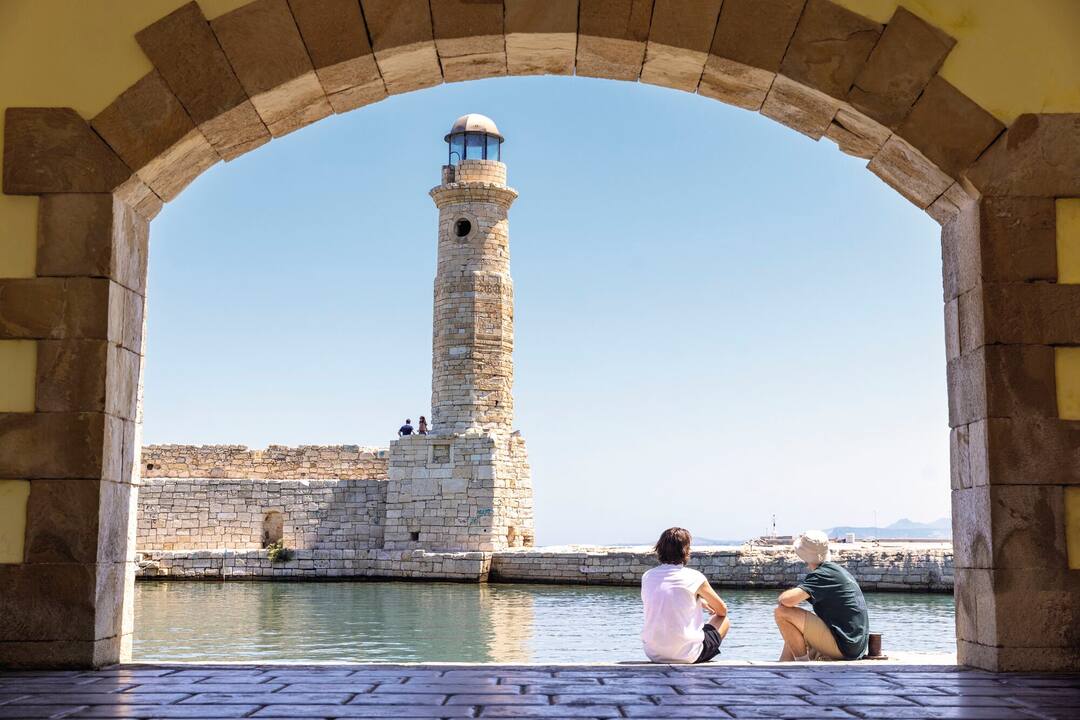
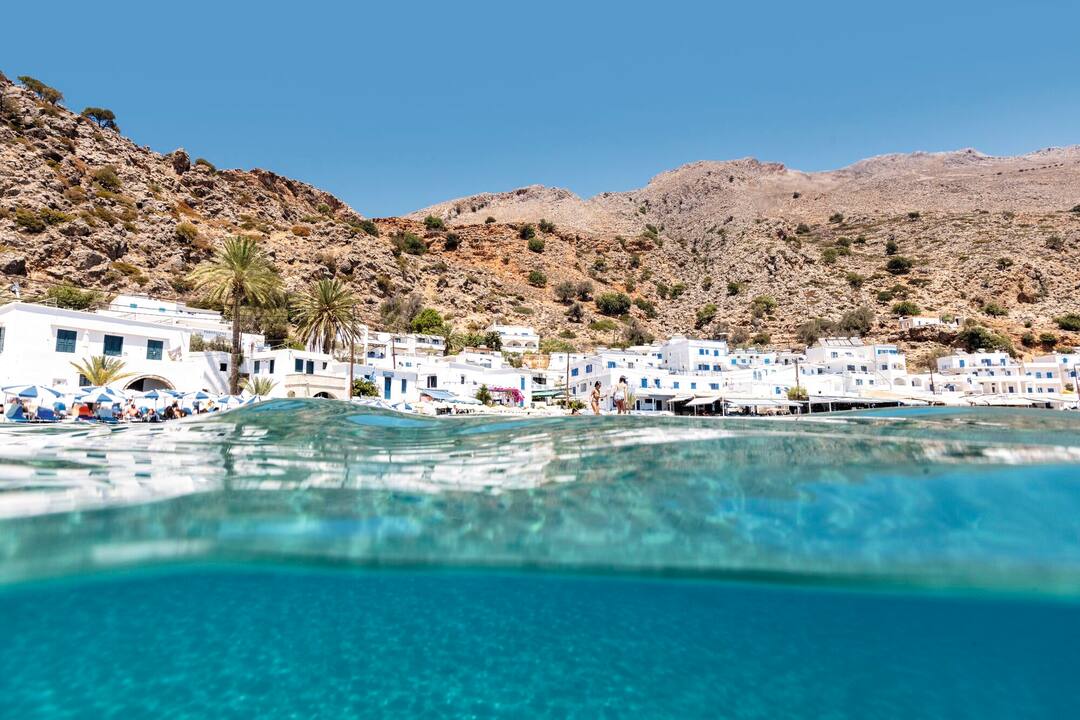
Crete’s super-size means it’s got 650 miles of coastline to go around. The beaches in the Lassithi area, to the east of the island, are annexes to the cosmopolitan towns of Agios Nikolaos and Elounda. Here, sunbathers can mix stints on the sunbed with shopping sprees and long lunches in the squares. Further west, the Chania area teams Blue Flag beaches with an historical old town. The 12-kilometre-plus swathes of sand in the Rethymnon area are great for families, while the beaches in the Heraklion area are recovery spots for late-night drinks.
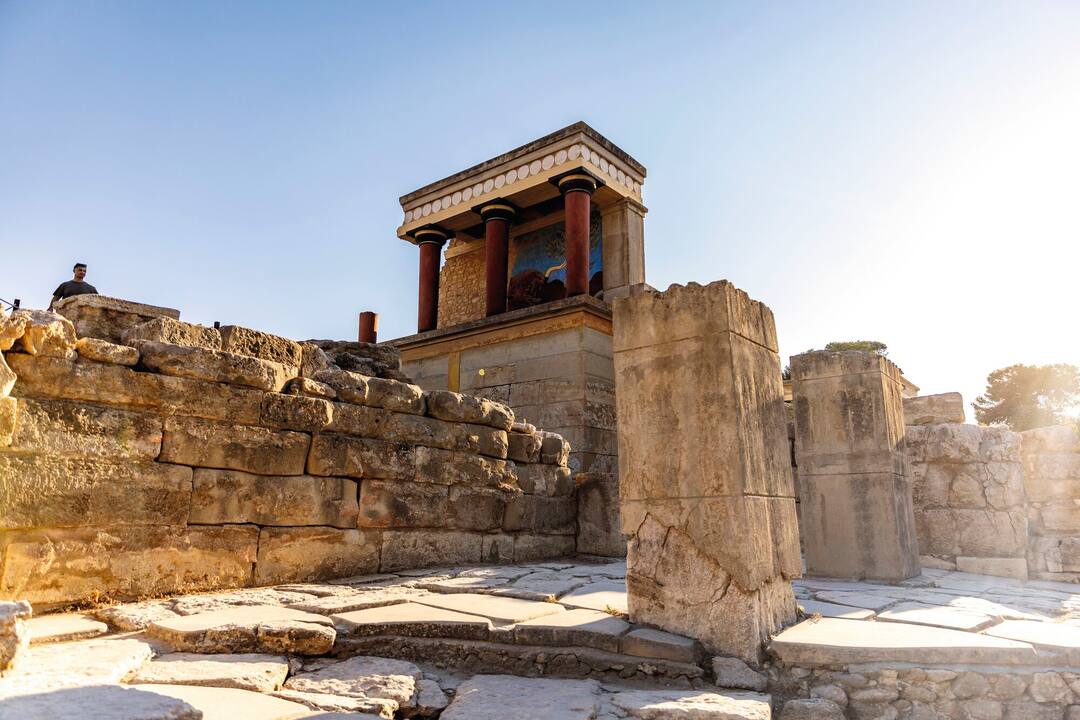
Crete’s timeline stretches back more than 4,000 years. In fact, the island is credited with being the birthplace of modern civilisation. Evidence for this claim can be found at the Palace of Knossos, in the Heraklion area – the Minoans who lived here were some of the first people in the world to have fashions, parties and women’s rights.
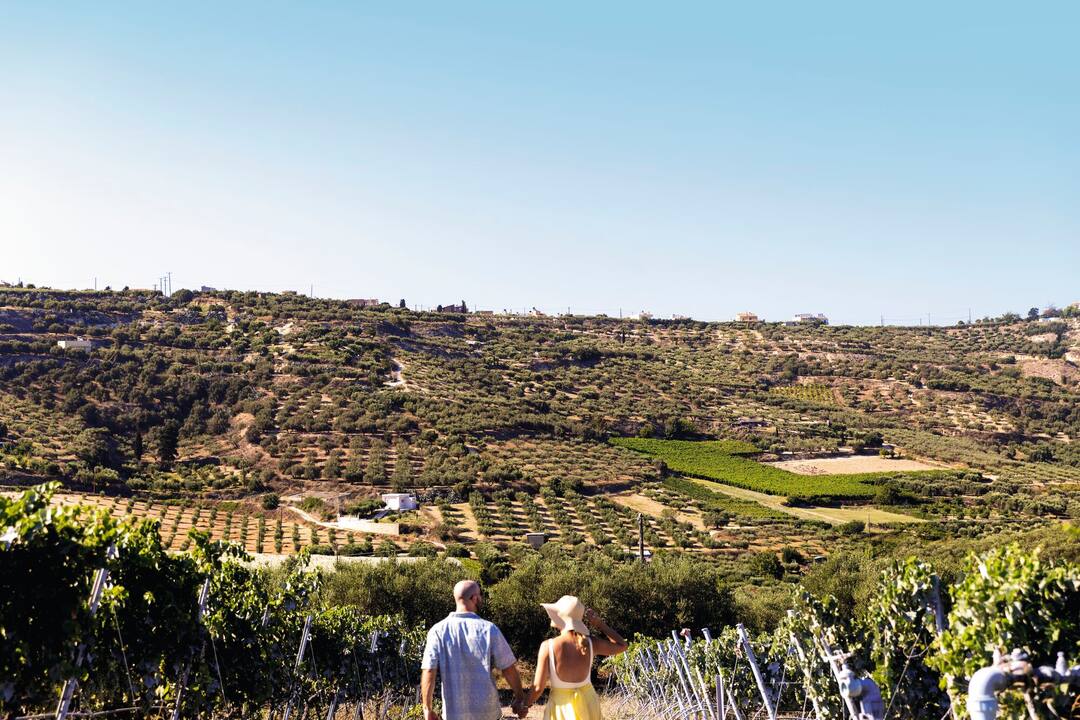
Finally, Crete has a lion’s share of unspoilt scenery. You’ll get the best feel for what the island has to offer at Samaria Gorge, an hour’s drive from Chania. Stretching for 16 kilometres, it’s the longest in Europe.
Some FAQs are AI-generated. Use them as a helpful guide and confirm details before making travel decisions.
All your questions about entry requirements, visas, passports or health information are answered on our Travel Advice page.
How long does it take to fly to Crete?
Flights from the UK to Crete take between three hours and 45 minutes and four hours, depending on which airport you fly from.
What is the time difference between the UK and Crete?
Crete is two hours ahead of the UK – so when it’s 9am here, it’s 11am there.
What is Crete known for?
Crete’s recognised as the largest of the Greek islands. It means you’ve got a heap of diverse resorts to choose from, including quiet Rethymnon, historical Lassithi and beachy Chania.
Is it easy to travel around Crete by bus?
Yes, it’s super simple. The main resorts all have bus stations, and the bus routes will often take you out into the island’s more rural areas for a pretty cheap price.
What travel adapter do I need for Crete?
When visiting Crete, you'll need a European-style two-pin plug adapter. Most sockets are Type C or Type F, so bring a suitable adapter if your devices have UK or other plug types. Many hotels also offer USB charging ports for added convenience.
What's the nightlife like in Crete?
Crete's nightlife varies from lively to laid-back. In tourist areas like Malia and Hersonissos, you'll find bustling clubs and bars. For a more relaxed evening, try the tavernas in Chania or Rethymno. Many resorts also offer evening entertainment with live music and shows.
Where can I try local food in Crete?
Traditional Cretan cuisine can be found in local tavernas throughout the island. We recommend trying dishes like dakos, kalitsounia, and lamb with stamnagathi. Many resorts also offer authentic Cretan dishes in their restaurants, allowing you to sample local flavors without leaving your accommodation.
Should I tip in Crete?
Tipping in Crete is appreciated but not mandatory. In restaurants, rounding up the bill or leaving 5-10% for good service is common. For other services like taxis or hotel staff, small tips are welcome if you're satisfied with the service.
Where are the best places to shop in Crete?
Crete offers diverse shopping experiences. You'll find traditional markets in cities like Heraklion and Chania, selling local products such as olive oil, honey, and handicrafts. For modern shopping, visit Talos Plaza in Heraklion or the boutiques in Agios Nikolaos.
Are there any local customs I should know about in Crete?
When visiting churches or monasteries in Crete, dress modestly by covering shoulders and knees. It's polite to greet people with "kalimera" for good morning or "kalispera" for good evening. Avoid excessive public displays of affection, especially in rural areas.
What are the best beaches in Crete?
Crete boasts numerous beaches for every taste. We recommend visiting Elafonisi for its pink sand and shallow lagoons, Balos Lagoon for its turquoise waters and dramatic cliffs, and Vai Beach for its rare palm forest. Many hotels also offer private beach areas with sun loungers and watersports facilities.
What should I pack for Crete?
When visiting Crete, pack lightweight, breathable clothing, swimwear and sun protection essentials like sunscreen, sunglasses and a wide-brimmed hat. Bring comfortable walking shoes for exploring, a light jacket for cooler evenings and a day bag for excursions. Include clothing that covers shoulders and knees for visiting monasteries and churches.
Take a look at our best deals, add handy holiday extras, or keep looking for travel inspiration.