
 Holidays
  Cruises

 Flights
  Hotel Only
  Deals
Deals  Destinations
  Extras
 Experiences
 Travel information
 Help Centre
;img.crop(width:1080%2Cheight:608))
;img.crop(width:1080%2Cheight:608))
;img.crop(width:1080%2Cheight:608))
;img.crop(width:1080%2Cheight:608))


Currency
Norwegian Krone
(NOK)
;img.crop(width:1080%2Cheight:608))
;img.crop(width:1080%2Cheight:608))
;img.crop(width:1080%2Cheight:608))
;img.crop(width:1080%2Cheight:608))
;img.crop(width:1080%2Cheight:608))
;img.crop(width:1080%2Cheight:608))
;img.crop(width:1080%2Cheight:608)&fit=thumb&w=782&h=394&q=70&fm=jpg)
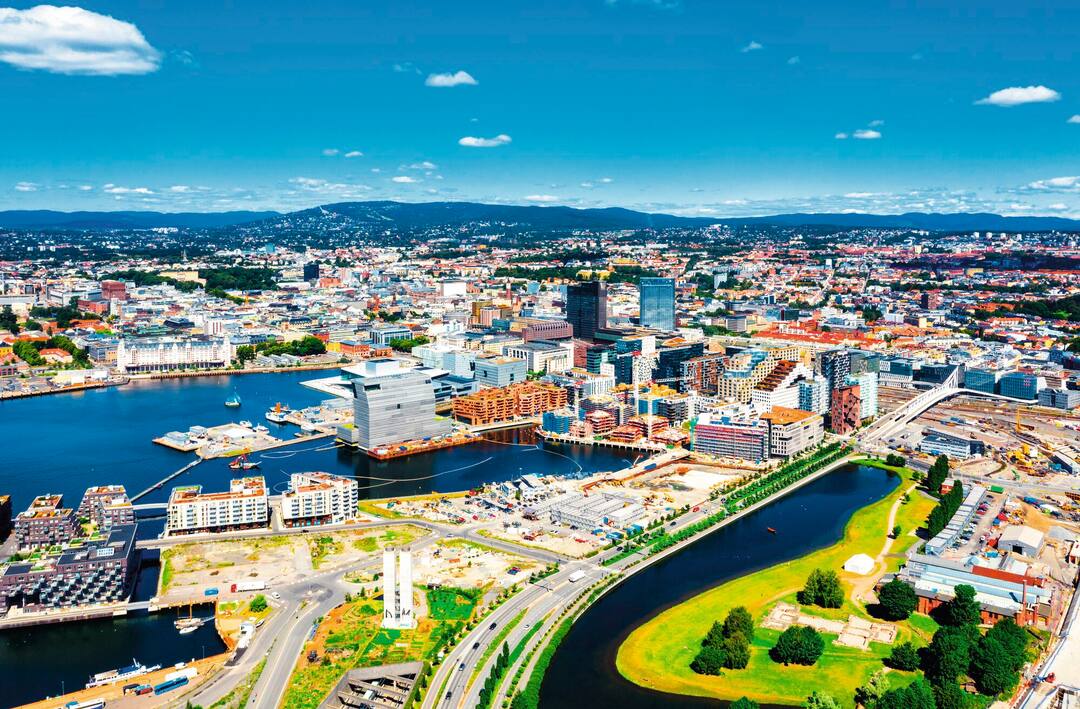
City breaks to Oslo serve up everything from museums and sculpture parks to fjord cruises and trendy neighbourhoods.
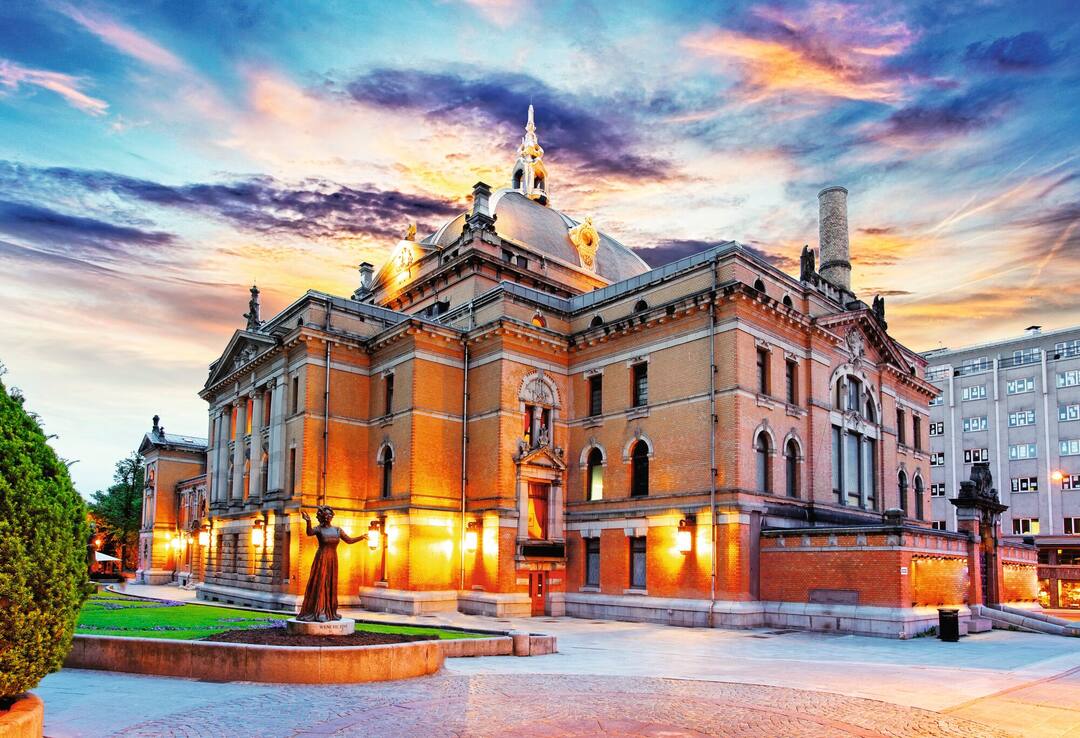
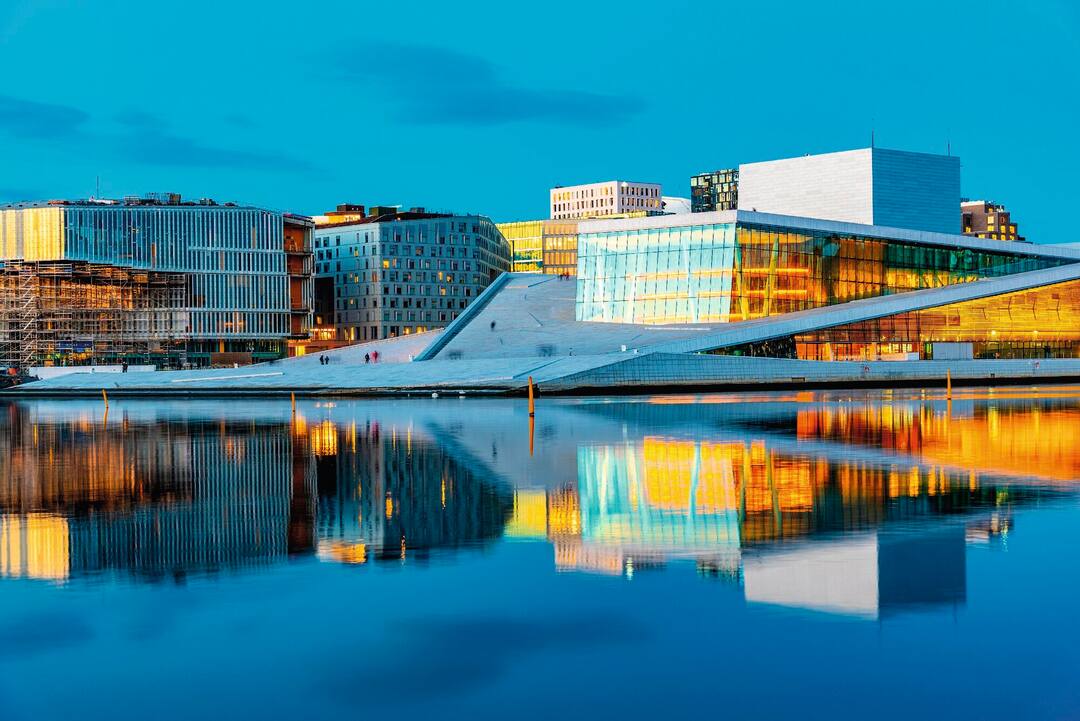
Norway’s capital has got a lot to write home about – Oslo is a serious up-and-comer as European cities go. This place packs a punch with its seriously cool architecture, and that’s before you get started on the fjord, the foodie scene, and the neighbouring fairytale-style forests. There are also more museums than you can shake a stick at, ranging in theme from the Vikings to artist Edvard Munch. So we’re saying “Yes please, Oslo” – or “Ja takk, Oslo” if you want a taste of the local lingo.
Oslo’s a green city and was named the European Green Capital in 2019, so it’s a popular pick for a holiday with sustainability at its heart. You’ll find that much of the centre is car-free. Plus, there are lots of activities that put green-living first – like swimming in the fjord – try it first thing in the morning, like the locals. Or check out the bee highway. The city has built this safe passage for bees to fly through Oslo. It’s a plant-and-flower-studded route, which goes from Holmenkollen in the north all the way to Lake Noklevann in the south.
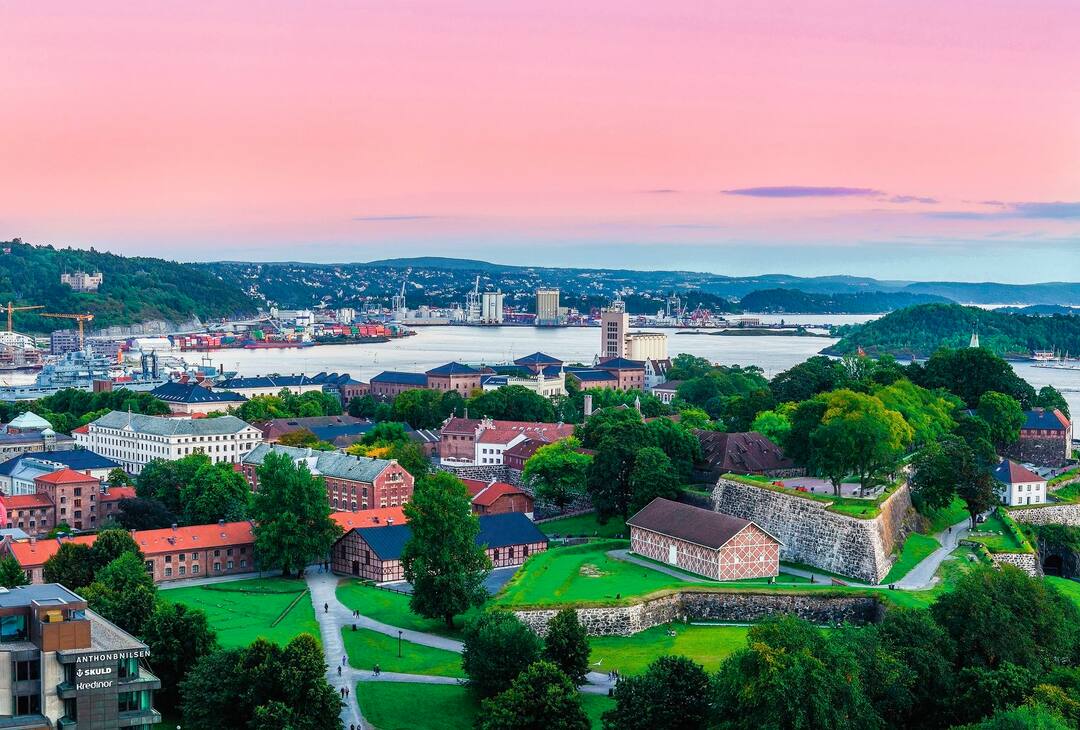
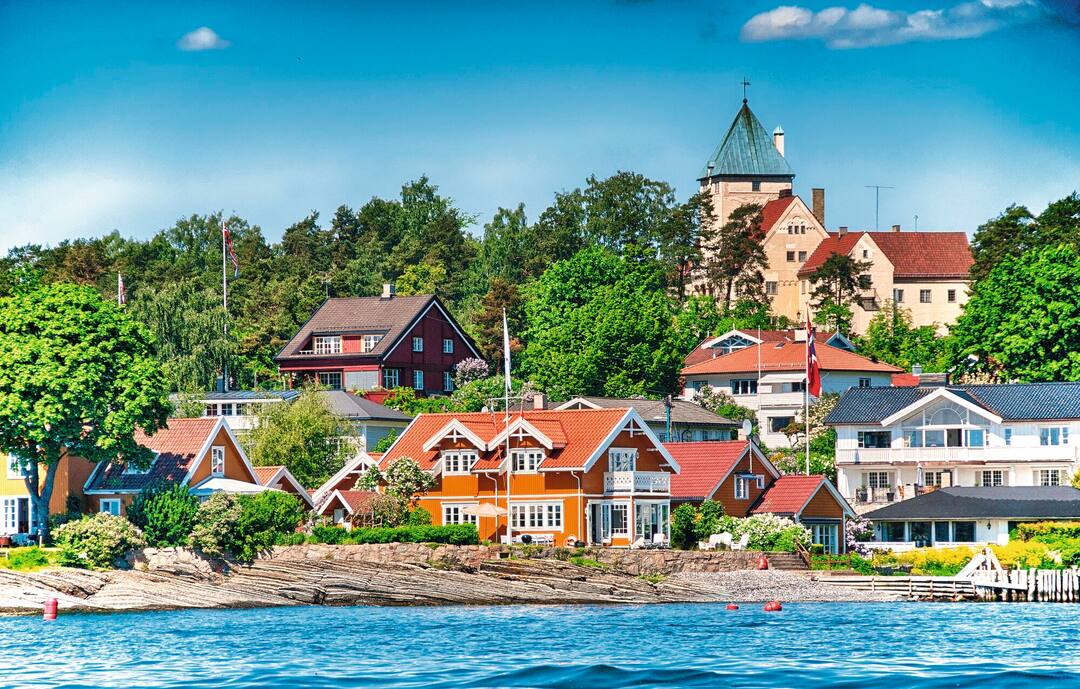
One of the best things about Oslo is its size. It’s not super-ginormous, which means you can eat it all up in bite-sized pieces. Get an overall feel for the place by starting your Oslo holiday with a cruise across the fjord. From the comfort of a boat, you can appreciate the city skyline – its buildings are very angular and futuristic. You’ll also see the more rustic side of this waterside city as you pass narrow sounds, idyllic bays, and a maze of islands dotted with traditional summer houses.
Paintings, sculptures, and exhibitions are all over the show in the Norwegian capital. In fact, Oslo’s got over 50 museums in total. Our top recommendations include the Kon-Tiki Museum – which showcases the ocean adventures of explorer Thor Heyerdahl – and Munch. The latter’s dedicated to the life and works of the Norwegian artist Edvard Munch. It’s also where you can see his most famous painting, The Scream.
Some FAQs are AI-generated. Use them as a helpful guide and confirm details before making travel decisions.
Where can I find the latest travel advice?
All your questions about entry requirements, visas, passports or health information are answered on our Travel Advice page.
What travel adapter do I need for Oslo?
When visiting Oslo, you'll need a two-pin European style plug Type C or F. If you're travelling from the UK, bring a UK-to-European adapter. Most hotels provide these, but it's wise to pack your own to ensure you can charge your devices.
Where are the best places to shop in Oslo?
Oslo provides diverse shopping experiences. You'll find high-end boutiques and international brands along Karl Johans gate, the main shopping street. For unique Norwegian designs, we recommend exploring the trendy Grünerløkka district. The Aker Brygge area offers a mix of shops and restaurants with a lovely waterfront setting.
Are there any local customs I should know about in Oslo?
When visiting Oslo, greet people with a firm handshake and use first names after introduction. Punctuality is valued, so arrive on time for any arrangements. Maintain personal space in public areas and queues, and keep conversation at moderate volume in public transport.
Where can I try local food in Oslo?
For authentic Norwegian cuisine in Oslo, we recommend visiting the Vippa food hall or the restaurants around Aker Brygge. Try local specialties like fårikål (mutton stew), kjøttkaker (meatballs), or fresh seafood. The Mathallen food hall in Grünerlökka is also great for sampling various Norwegian dishes.
Should I tip in Oslo?
Tipping isn't as common in Oslo as in some other countries. In restaurants, a service charge is often included in the bill. If you're particularly pleased with the service, rounding up the bill or adding 5-10% is appreciated but not expected.
What are the best beaches in Oslo?
Oslo offers several lovely beaches along the Oslofjord. We recommend visiting Huk Beach on Bygdøy peninsula for its clean waters and beautiful surroundings. Sørenga Seawater Pool, near the Opera House, is another popular spot for swimming and sunbathing in the heart of the city.
What should I pack for Oslo?
For Oslo, pack layers for variable weather. Bring a waterproof jacket, comfortable walking shoes, and a warm sweater. Don't forget a universal adapter, sunglasses, and a reusable water bottle. If visiting in winter, pack thermal underwear, a heavy coat, and ice grips for shoes.
What's the nightlife like in Oslo?
Oslo offers a refined nightlife scene with a range of bars, clubs and live music venues, particularly in the Grünerløkka district and Youngstorget areas. Many places stay open until 3am on weekends, and we recommend exploring the varied options from cocktail bars to concert venues across these lively neighbourhoods. Keep in mind that alcohol is expensive in Norway, and age restrictions are strictly enforced.
Take a look at our best deals, add handy holiday extras, or keep looking for travel inspiration.