
 Holidays
  Cruises

 Flights
  Hotel Only
  Deals
Deals  Destinations
  Extras
 Experiences
 Travel information
 Help Centre
;img.crop(width:1080%2Cheight:608))
;img.crop(width:1080%2Cheight:608))
;img.crop(width:1080%2Cheight:608))


Currency
Euro
(EUR)
;img.crop(width:1080%2Cheight:608))
;img.crop(width:1080%2Cheight:608))
;img.crop(width:1080%2Cheight:608))
;img.crop(width:1080%2Cheight:608))
;img.crop(width:1080%2Cheight:608))
;img.crop(width:1080%2Cheight:608))
;img.crop(width:1080%2Cheight:608)&fit=thumb&w=782&h=394&q=70&fm=jpg)
Beach time tops the priority list during holidays to the Rethymnon area, but if you're willing to leave your sunlounger, you'll be rewarded by the region's history and locally-made wine.
It’s the beaches that turn heads in the Rethymnon area. This part of north-east Crete has some of the best stretches of sand on the island. The main town beach is so long, you could run a half-marathon along its length. Most beaches come with the full list of facilities, too. There are tavernas by the shore, watersports in the sea, and sunloungers on the sand.
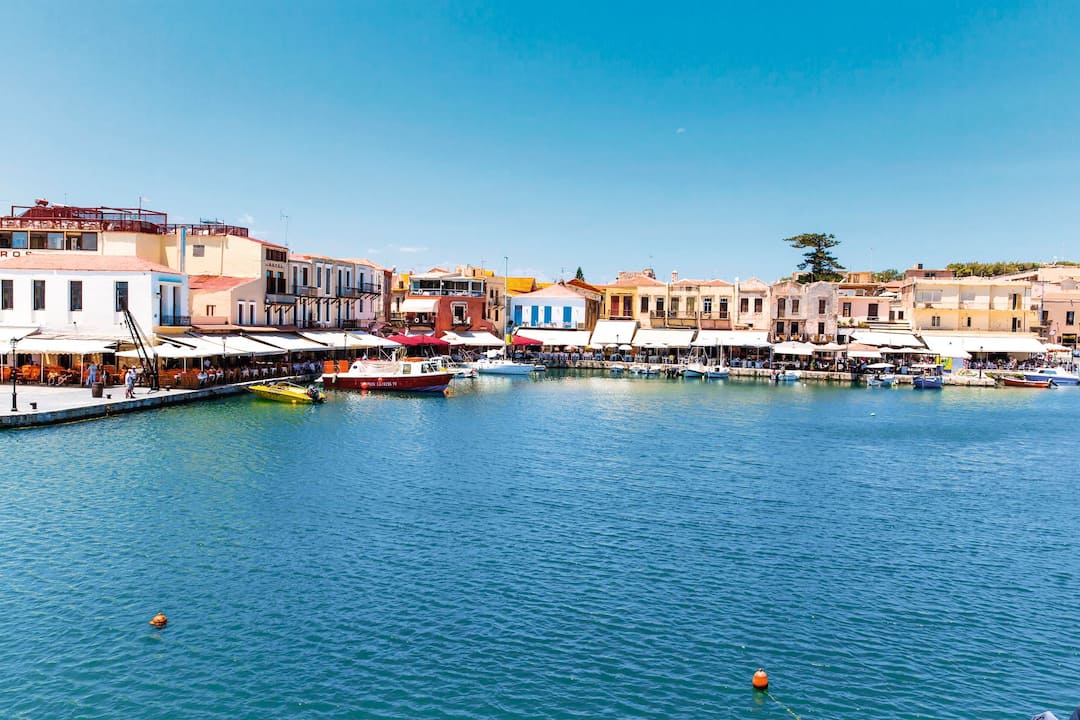
Rethymnon Town itself is watercolour-worthy. In the old quarter, the buildings date back to the 16th century. Juliette balconies, cobbled streets and stamp-sized piazzas complete the look here. Then there’s the harbour, which is lined with Venetian-style town houses and overlooked by a castle.
Most people who visit the Rethymnon area don’t want to tear themselves away from the sea and sand. For those who do explore, just desserts come in the form of views from hilltop villages, like Archanes, and locally-made wine from the region’s vineyards.
Some FAQs are AI-generated. Use them as a helpful guide and confirm details before making travel decisions.
All your questions about entry requirements, visas, passports or health information are answered on our Travel Advice page.
What travel adapter do I need for the Rethymnon area?
When visiting Rethymnon, you'll need a Type C adapter, which has two round pins, or a Type F adapter with two round pins and grounding clips. Most hotels use standard European voltage, though you should verify for other accommodation types. We recommend bringing a multi-plug adapter if you have devices with different plug types.
Should I tip in the Rethymnon area?
Tipping in the Rethymnon area is appreciated but not mandatory. At restaurants, rounding up the bill or leaving 5-10% for good service is common. For taxis, rounding up to the nearest euro is typical. In hotels, a small tip for housekeeping or porters is welcomed.
Where can I try local food in the Rethymnon area?
You'll find traditional Rethymnon cuisine in local tavernas throughout the old town and along the harbour. We recommend trying Cretan dishes like dakos and kalitsounia at family-run eateries. Many beachfront restaurants also offer fresh seafood and local specialties.
What's the nightlife like in the Rethymnon area?
Rethymnon offers a lively nightlife scene. You'll find a variety of options from laid-back tavernas to lively bars and clubs. The Old Town is particularly popular, with many venues offering live music and traditional Greek nights. For a more relaxed evening, enjoy a drink at one of the seaside bars along the beach promenade.
Are there any local customs I should know about in the Rethymnon area?
When visiting Rethymnon, greeting people with a friendly 'kalimera' is appreciated. When visiting churches or monasteries, we recommend dressing modestly by covering shoulders and knees. Tipping in restaurants is customary, usually around 10% if a service charge isn't included. Locals often eat dinner late, typically after 9pm.
Where are the best places to shop in the Rethymnon area?
In Rethymnon, you'll discover a mix of modern and traditional shopping experiences. The Old Town's narrow streets are lined with shops selling local crafts, jewelry, and souvenirs. For contemporary shopping, visit Kazantzakis Street or the weekly market for fresh produce and local specialties. Many resorts also offer convenient on-site shops.
What should I pack for the Rethymnon area?
For Rethymnon, pack lightweight, breathable clothing suitable for warm weather. Bring swimwear, beach essentials, comfortable walking shoes, and a light jacket for cooler evenings. Don't forget sun protection items like sunscreen, sunglasses, and a wide-brimmed hat.
What are the best beaches in the Rethymnon area?
You'll find the long sandy stretch of Rethymnon Beach right in town, perfect for sunbathing and watersports. For a quieter visit, we recommend Bali Beach which offers sheltered coves with calm conditions for swimming and snorkelling.
What are the top-rated All Inclusive hotels in the Rethymnon area?
Our top-five All Inclusive hotels in the Rethymnon area are:
What are the top-rated hotels for families in the Rethymnon area?
Our top-four hotels for families in the Rethymnon area are:
Take a look at our best deals, add handy holiday extras, or keep looking for travel inspiration.