Holidays
  Cruises

 Flights
  Hotel Only
  Deals
Deals  Destinations
  Extras
 Experiences
 Travel information
 Help Centre
;img.crop(width:1080%2Cheight:608))
;img.crop(width:1080%2Cheight:608))
;img.crop(width:1080%2Cheight:608))
;img.crop(width:1080%2Cheight:608))
;img.crop(width:1080%2Cheight:608))
;img.crop(width:1080%2Cheight:608))
;img.crop(width:1080%2Cheight:608))
;img.crop(width:1080%2Cheight:608))
;img.crop(width:1080%2Cheight:608))
;img.resize(height:608);img.crop(width:1080%2Cheight:608))
;img.crop(width:1080%2Cheight:608))


Capital
Athens
;img.crop(width:1080%2Cheight:608))
;img.resize(height:608);img.crop(width:1080%2Cheight:608))
;img.crop(width:1080%2Cheight:608))
;img.crop(width:1080%2Cheight:608))
;img.resize(height:608);img.crop(width:1080%2Cheight:608))
;img.crop(width:1080%2Cheight:608))
;img.crop(width:1080%2Cheight:608)&fit=thumb&w=782&h=394&q=70&fm=jpg)
Greece holidays deliver fantastic beaches and centuries-old sights. From Crete’s coastlines to the party spirit of Kos and Rhodes’ ancient charm, each island offers something unique. Add in the iconic sights of Athens and you get a sun‑soaked escape packed with culture, relaxation and adventure.
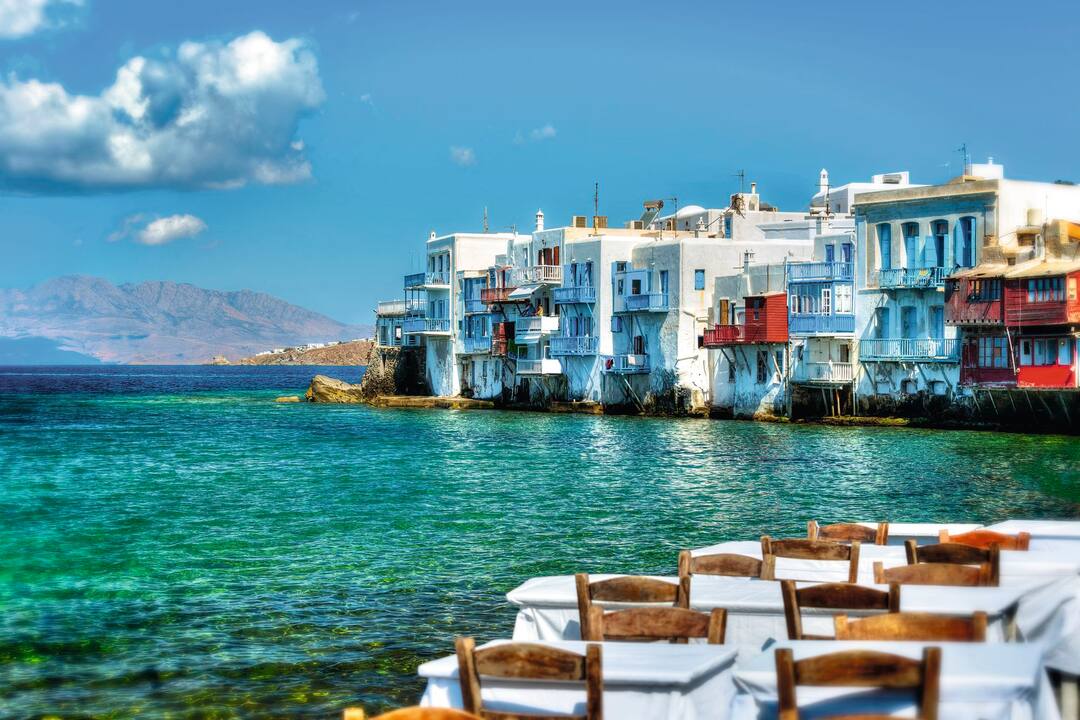
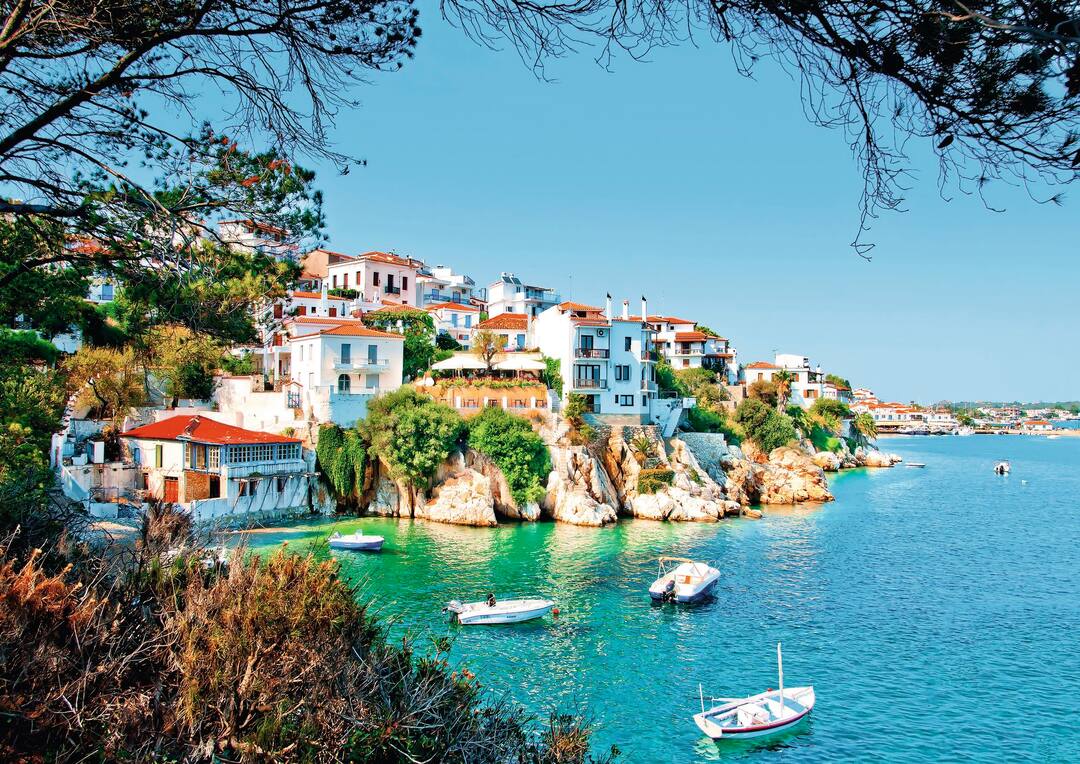
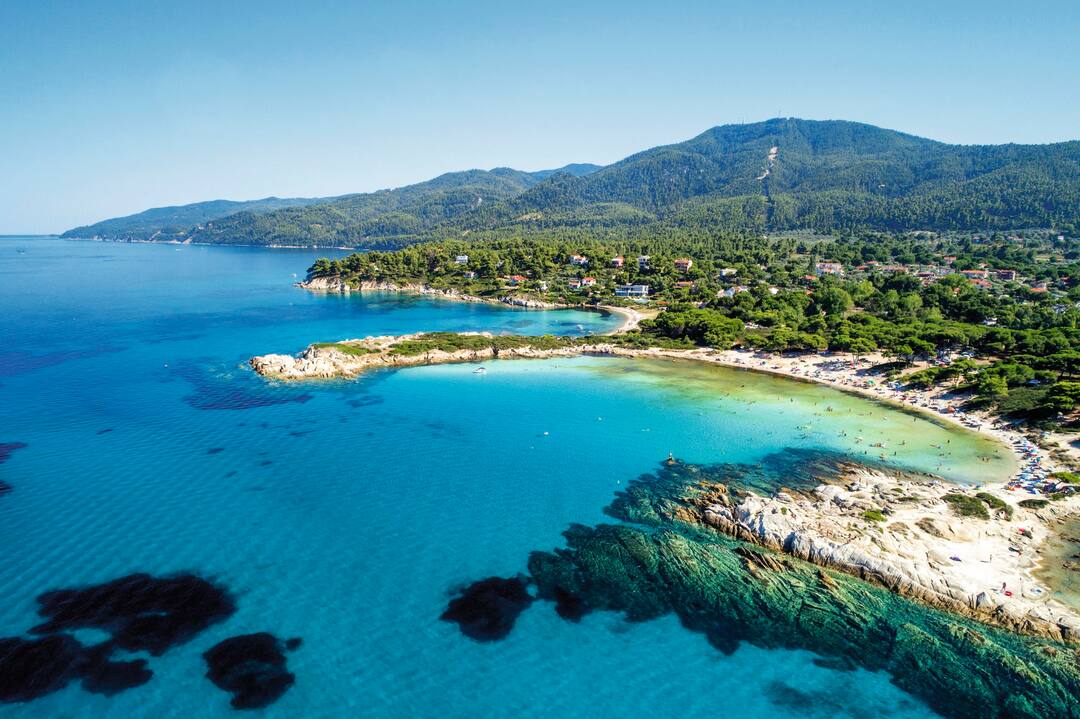
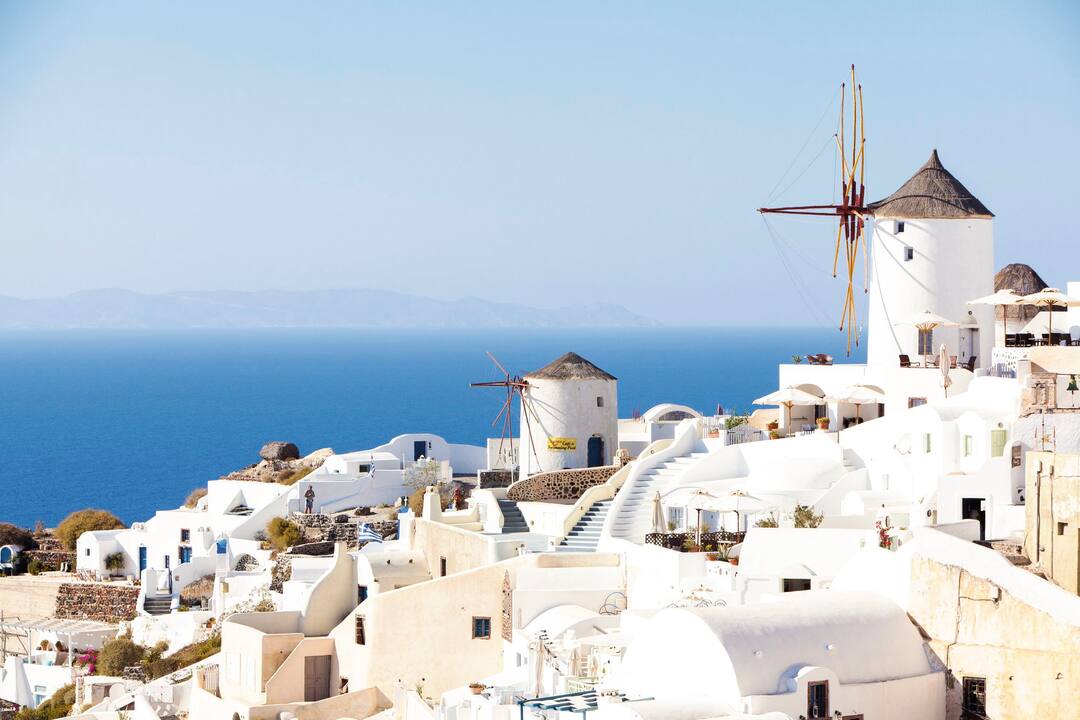
Greece is packed with secluded spots for sun, sand and sea, whether you’re planning family holidays in Crete or Rhodes, or a romantic escape. Santorini and Mykonos are favourites for couples’ holidays, blending boutique beaches with a cosmopolitan feel. If you prefer quieter shores, island-hopping opens the door to smaller gems like Symi, Skopelos and Thassos, where laid‑back towns, pine‑fringed bays and footprint‑free beaches steal the show.
Greece’s hot summers draw millions to its spotless sands, while May and October offer warm, quieter days perfect for exploring. September is a favourite for settled weather and sun‑soaked beaches, and even the country’s mild winters have their appeal. Time a visit for Greek Easter (the same dates as ours) and you’ll experience one of the nation’s most colourful cultural celebrations.
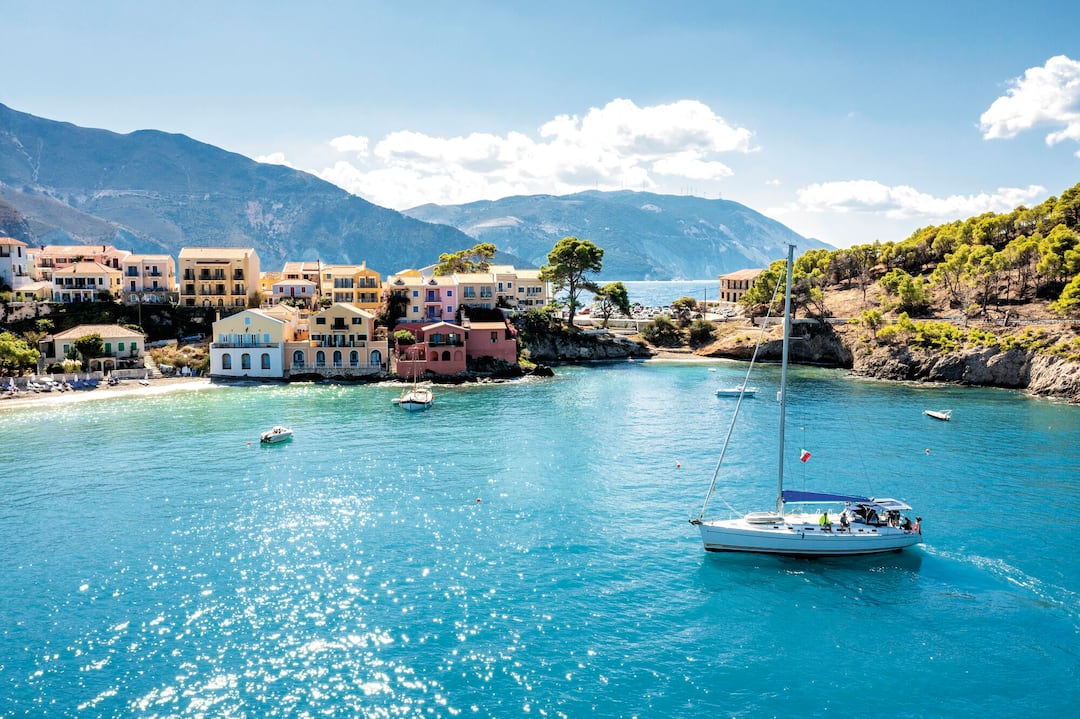
The biggest of the Greek islands is Crete, with 650 miles of coastline and standout historical sights. Corfu – AKA the Emerald Isle – is popular for its green interior, while Kos and Zante deliver top‑tier beaches and lively nightlife. Rhodes boasts the best sunshine record, and mainland favourites like Halkidiki, Parga and the Peloponnese add even more variety. For a change of pace, Athens and Thessaloniki city breaks mix culture with great food. And wherever you go, Greece’s weather stays tempting – even April and November can reach a balmy 19°C.
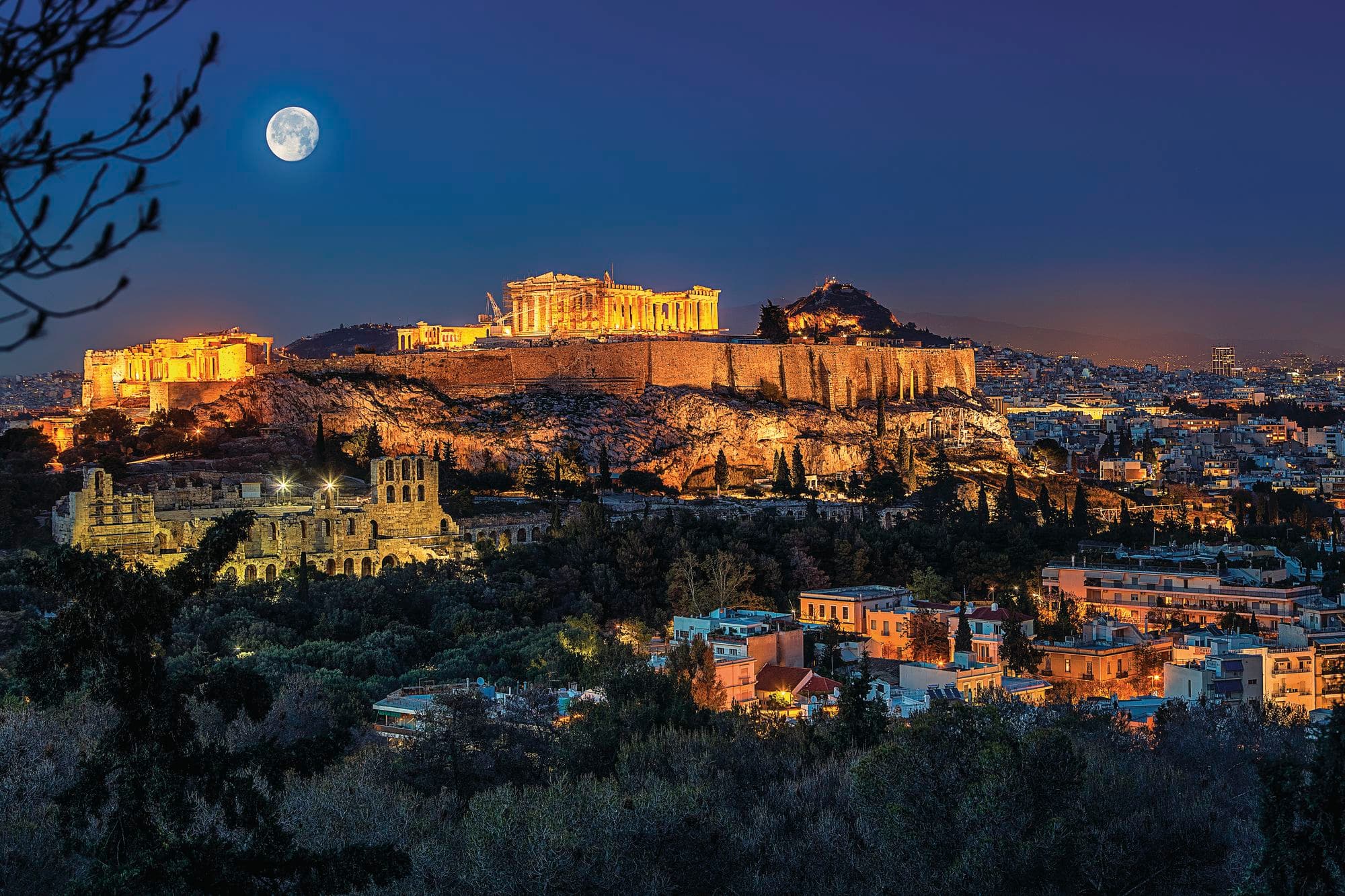
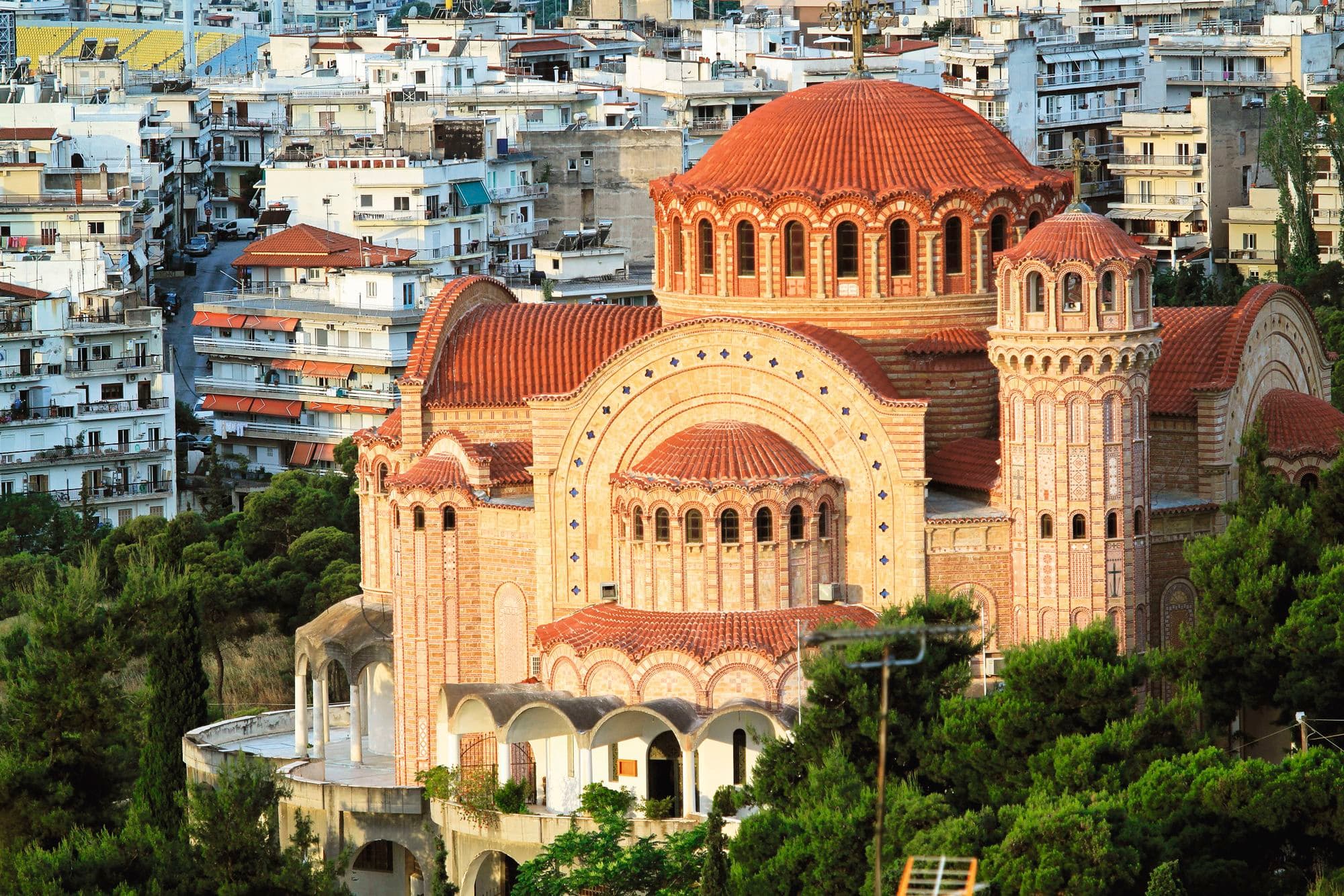
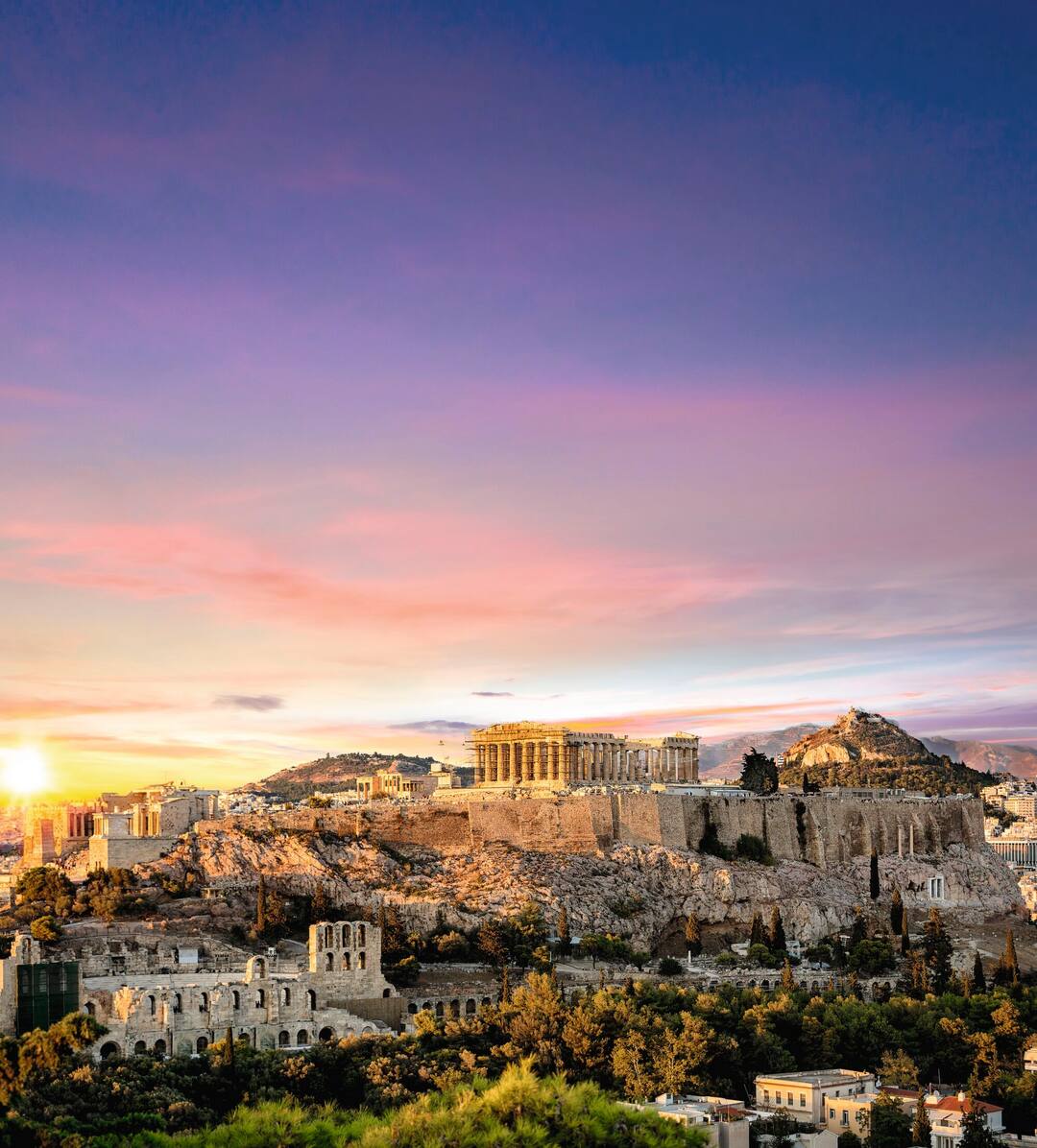
If you want to stay on the mainland, Halkidiki, Kalamata and Parga make great bases for exploring wider Greece, all easily reached on direct flights from the UK. Athens is another top pick, serving up ancient history, charming neighbourhoods and icons like the Acropolis. It’s only a short hop – around a four‑hour flight from the UK – and with just a two‑hour time difference, it’s an easy city break. Plus, Glyfada Beach is only 20 minutes away, so you can pair sightseeing with seaside lounging on an Athens holiday.
Some FAQs are AI-generated. Use them as a helpful guide and confirm details before making travel decisions.
Where can I find the latest travel advice?
All your questions about entry requirements, visas, passports or health information are answered on our Travel Advice page.
How long does it take to fly to Greece?
Flights from the UK to Greece take between three and five hours, depending on which airport you fly from.
What is the time difference between the UK and Greece?
Greece is two hours ahead of the UK – so when it’s 9am here, it’s 11am there.
Which is the best Greek island for a quiet holiday?
The relatively untrodden island of Thassos is your best bet for peace and quiet. Think footprint-free beaches, rustic harbour towns and an inner landscape of olive groves and vineyards.
What is the best month to go to Greece?
For optimum tanning conditions, visit Greece between June and September. If you like things a little cooler, April and May are a great time to go, when temperatures hover around the 10-15°C mark.
What should I pack for Greece?
For Greece, pack lightweight, breathable clothing suitable for warm weather. Bring sun protection essentials like a wide-brimmed hat, sunglasses, and high-SPF sunscreen. Don't forget comfortable walking shoes for exploring ancient sites, and a light jacket for cooler evenings. Include swimwear and a beach towel for enjoying the beautiful Greek beaches.
Where are the best places to shop in Greece?
Greece offers diverse shopping experiences. In Athens, explore Ermou Street for international brands and Monastiraki for souvenirs. On islands like Mykonos and Santorini, you'll find charming boutiques selling local crafts and designer items. Many resorts also have shops where you can purchase essentials and Greek products.
Are there any local customs I should know about in Greece?
When visiting Greece, it's polite to greet with a handshake or kiss on both cheeks among friends. When visiting churches, wear modest clothing covering shoulders and knees. Locals often eat dinner late, around 9pm or later. If invited to a home, bringing a small gift like flowers or sweets is appreciated.
Should I tip in Greece?
Tipping in Greece is appreciated but not mandatory. In restaurants, rounding up the bill or leaving 5-10% for good service is common. For taxis, rounding up to the nearest euro is typical. In hotels, a small tip for housekeeping or porters is welcomed but not expected.
Where can I try local food in Greece?
Traditional Greek cuisine can be found in tavernas throughout the country. We recommend trying local dishes like moussaka, souvlaki, and fresh seafood. Many resorts offer Greek nights featuring authentic meals. For a more immersive experience, visit local markets or join a cooking class to learn about Greek ingredients and recipes.
What travel adapter do I need for Greece?
When visiting Greece, you'll need a European-style two-pin plug adapter. Most sockets accept type C and F plugs, which are common throughout Europe. We recommend bringing at least one adapter for your devices, as UK-style plugs are not commonly found in Greek accommodations.
What are the best beaches in Greece?
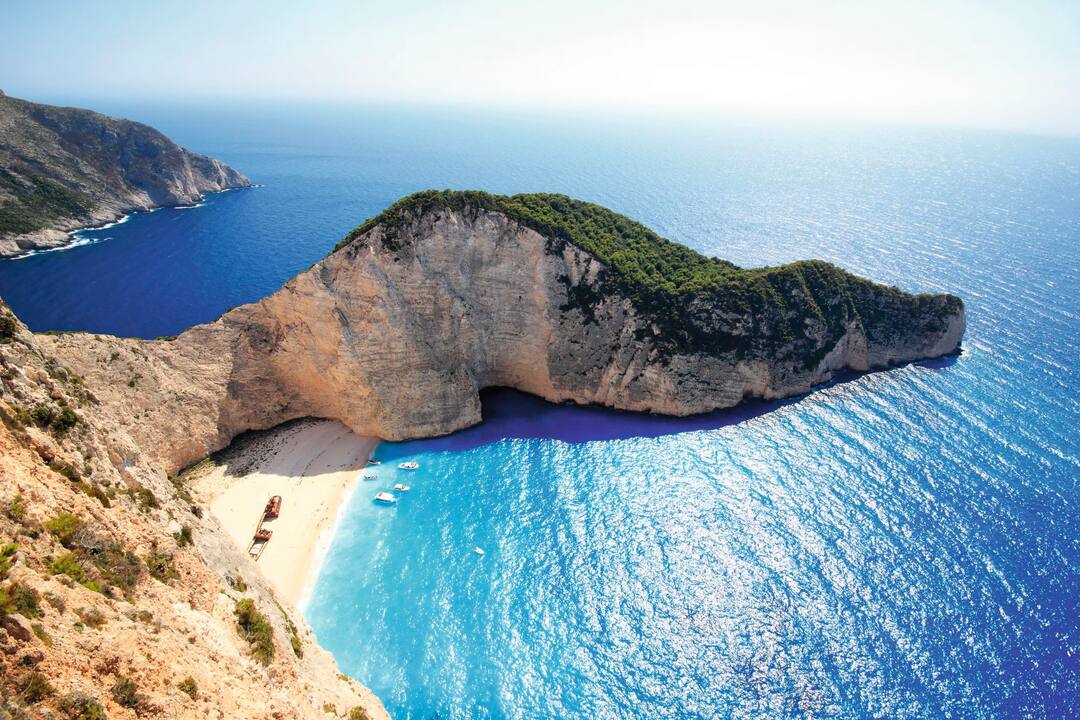
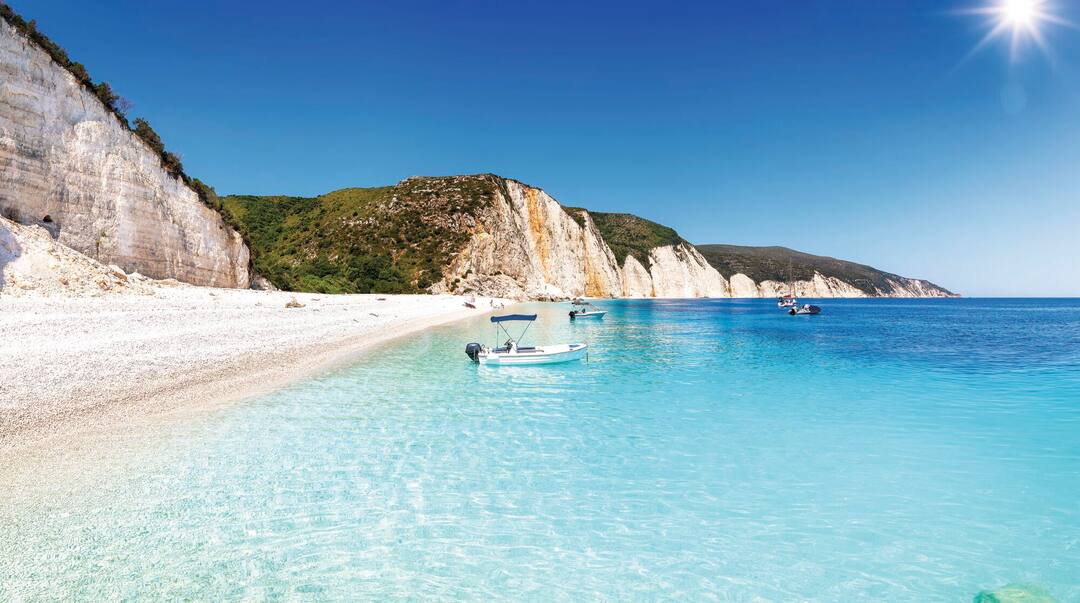
Greece boasts some of the best beaches for every taste. We recommend visiting Navagio Beach on Zakynthos for its dramatic cliffs and shipwreck, Elafonisi in Crete for its pink sand, and Myrtos Beach in Kefalonia for its clear waters. Many TUI resorts offer easy access to beaches perfect for relaxation and water activities.
What's the nightlife like in Greece?
Greece has lively nightlife with beachside bars and nightclubs staying open late, especially in summer months. Head to Athens for rooftop bars with city views and live music venues. Island destinations like Mykonos and Santorini offer cocktail bars and open-air clubs by the sea. Resorts often provide evening entertainment, including traditional Greek nights with music and dance performances.
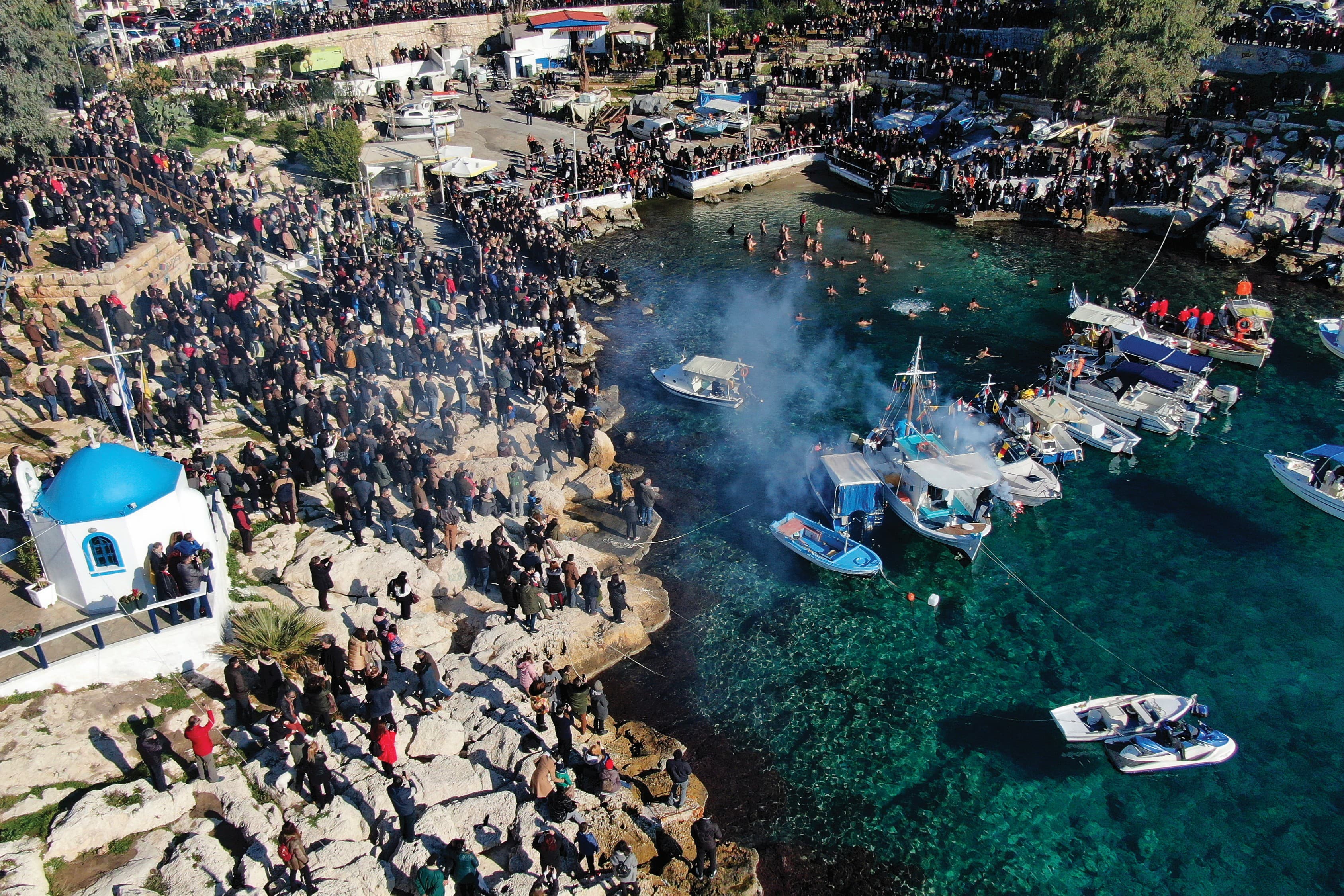
Epiphany
This Christian festival on the 6th of January marks the day the Three Wise Men visited Jesus. In spots across Greece, you can watch locals jump into the sea to retrieve a cross flung in by a priest.
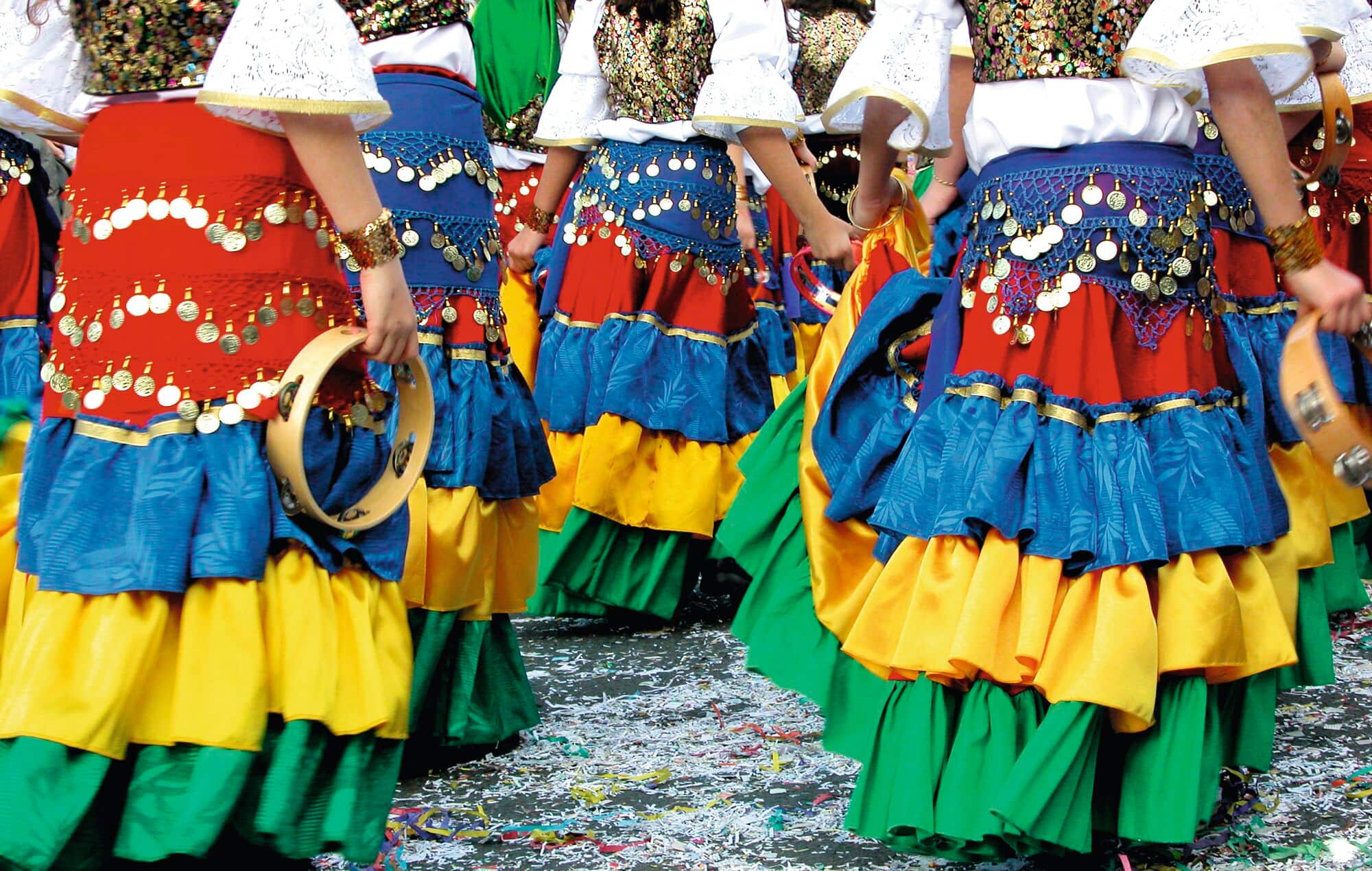
Apokries
Typically falling in February, Greece’s three-week-long carnival season – called Apokries – involves masquerades, street parties and traditional feasts, marking the lead-up to Orthodox Lent.
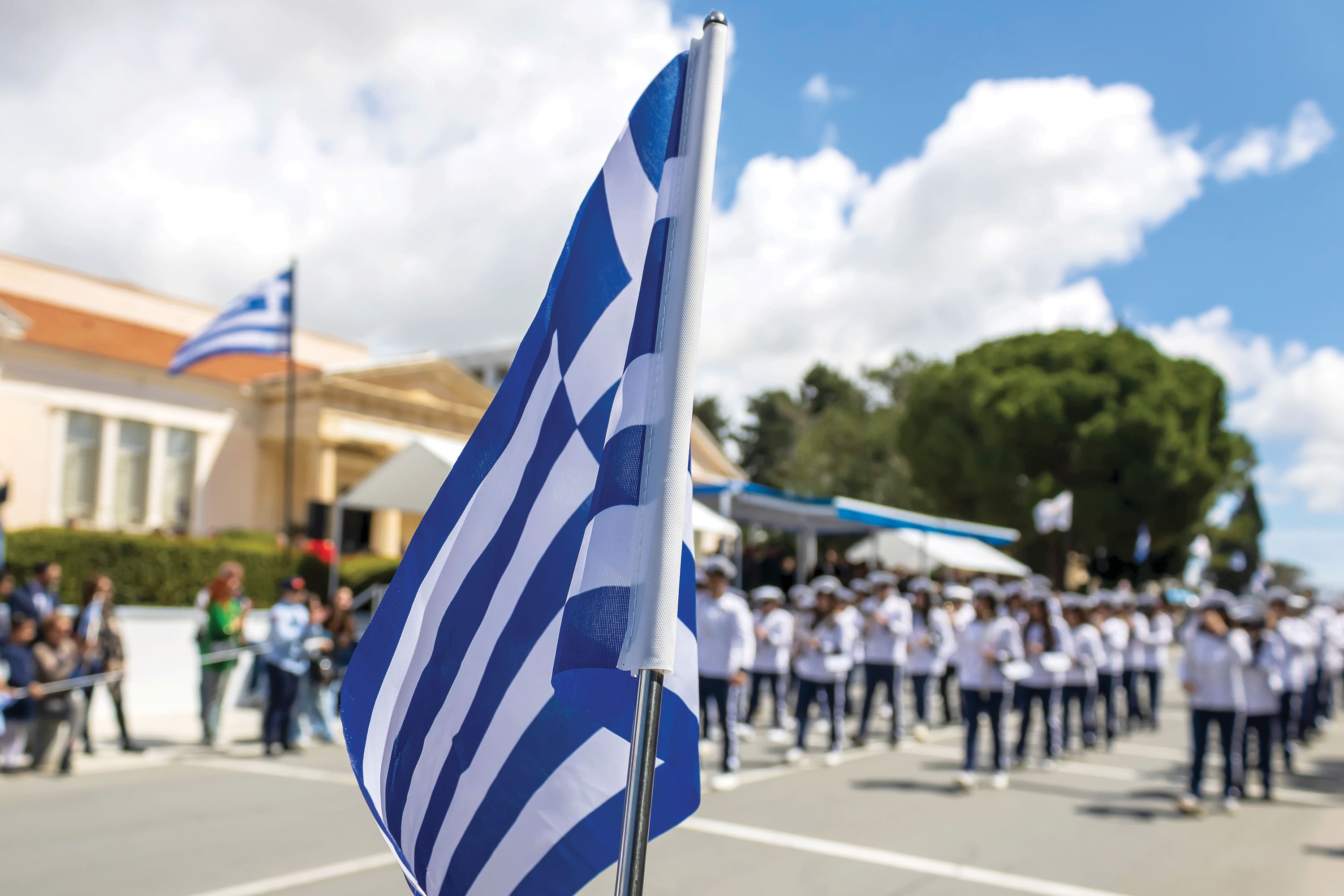
Greek Independence Day
Parades and brass bands mark Greek Independence Day on the 25th of March. Most of the action’s centred in Athens, and it’s a lively addition to one of the quieter months on the tourism calendar.
Holy Saturday
Often falling in April, Holy Saturday is your chance to see Corfu’s ancient pot-smashing tradition. Go to the old town to see locals throw clay pots off their balconies to ward off evil spirits.
Athens City Festival
Every May, the Athens City Festival brings hundreds of events to the Greek capital. They range from guided tours to cinema nights, so there’s something for everyone – and every single one is free.
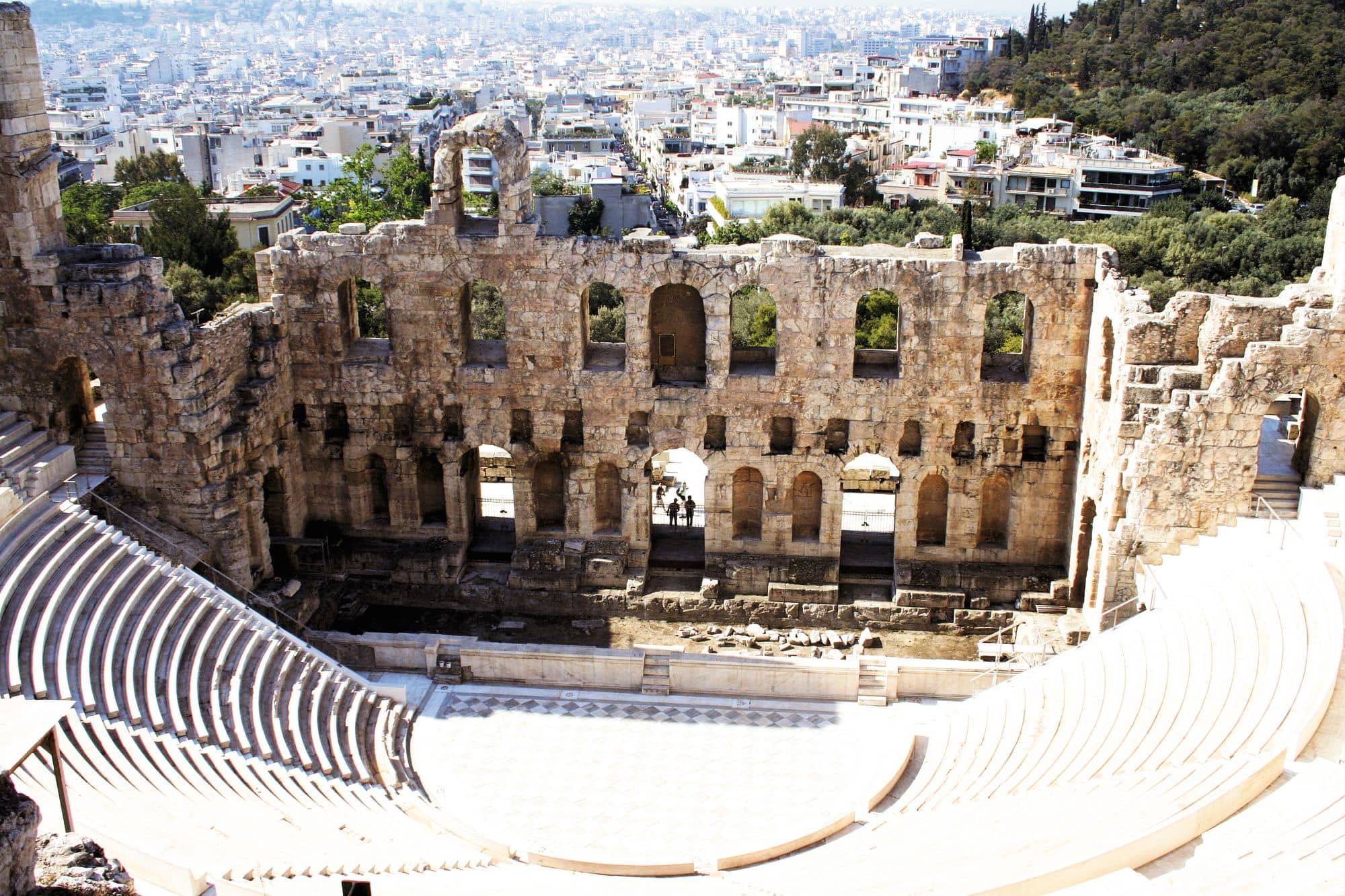
Athens Epidaurus Festival
This arts festival is one of the longest-running cultural events in all of Europe. Expect music, dance and theatre performances throughout June and beyond, all set in an ancient amphitheatre.
Hippocratia Festival
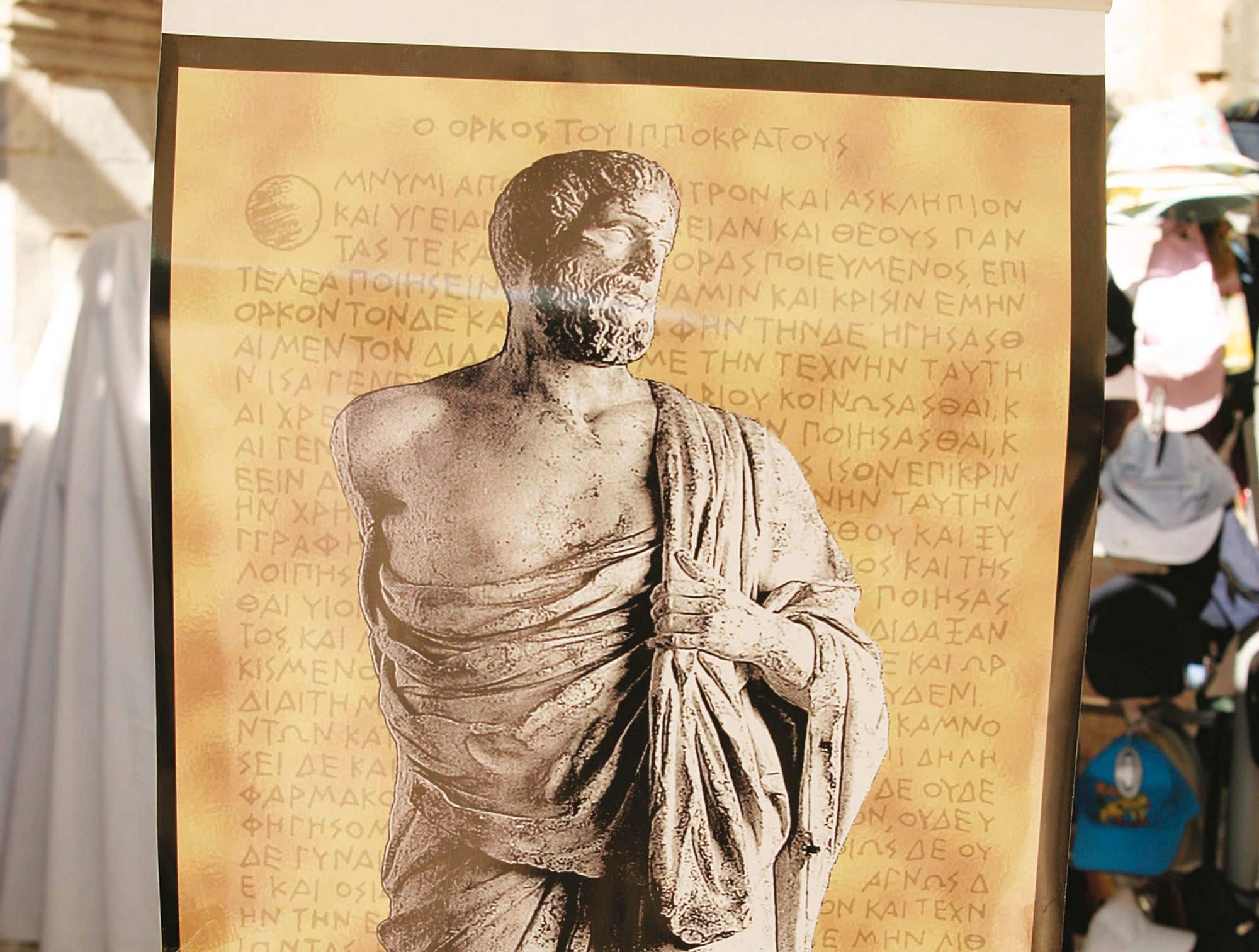
Starting in July, the Hippocratia Festival in Kos honours Hippocrates – the Father of Medicine – with medical lectures, theatrical performances and re-enactments, plus traditional music and dance.
August Full Moon celebrations
The night of the full moon in August has been cause for celebration in Greece for over 1,000 years. Free concerts, plays, art exhibitions and more play out at historic sites across the country.
Volcano Festival
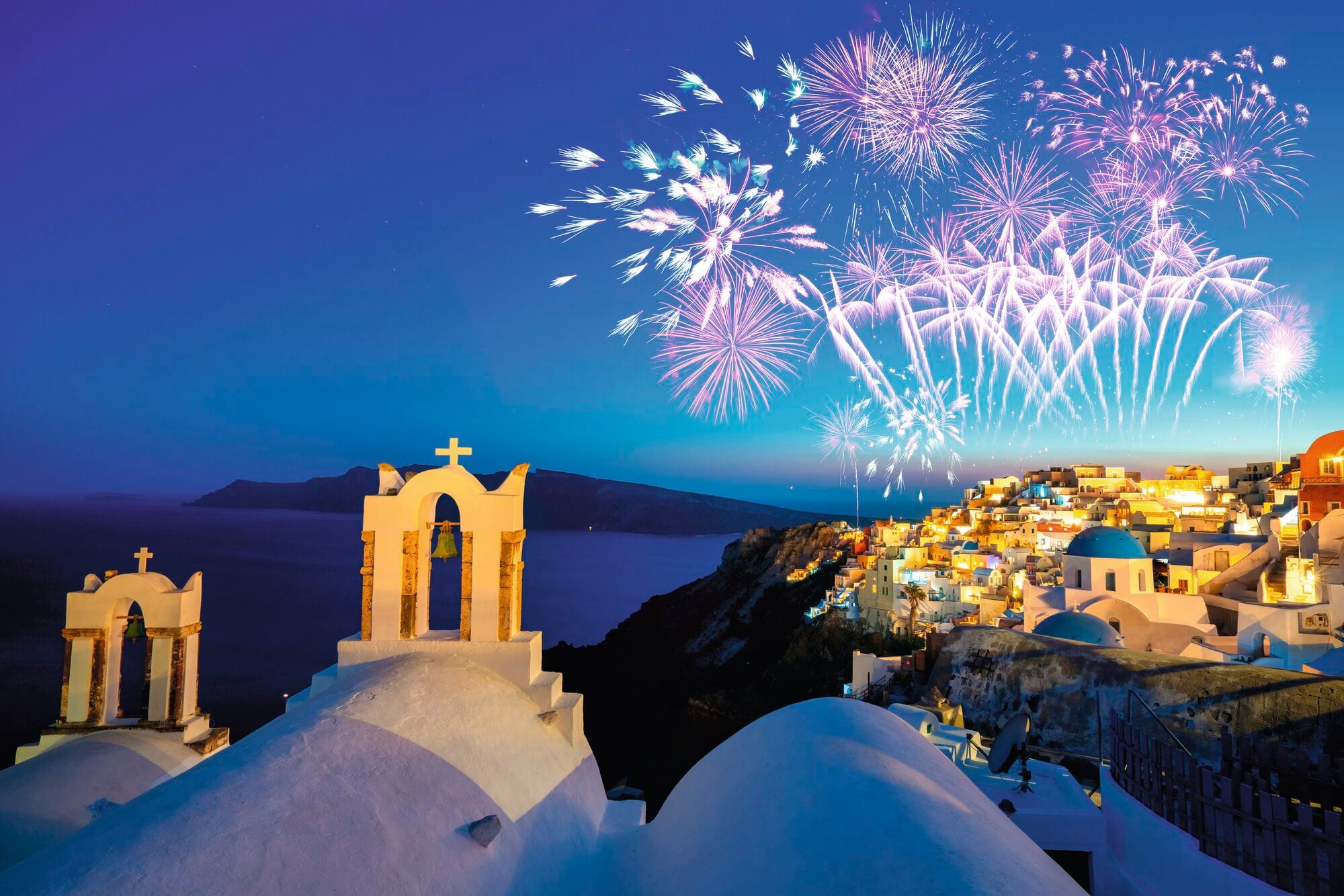
Every September, the Volcano Festival brings live music, a huge fireworks display and a sound and light show to Santorini. It’s to celebrate the volcanic eruption that shaped the island in 1646 BC.
Agios Averkios Festival
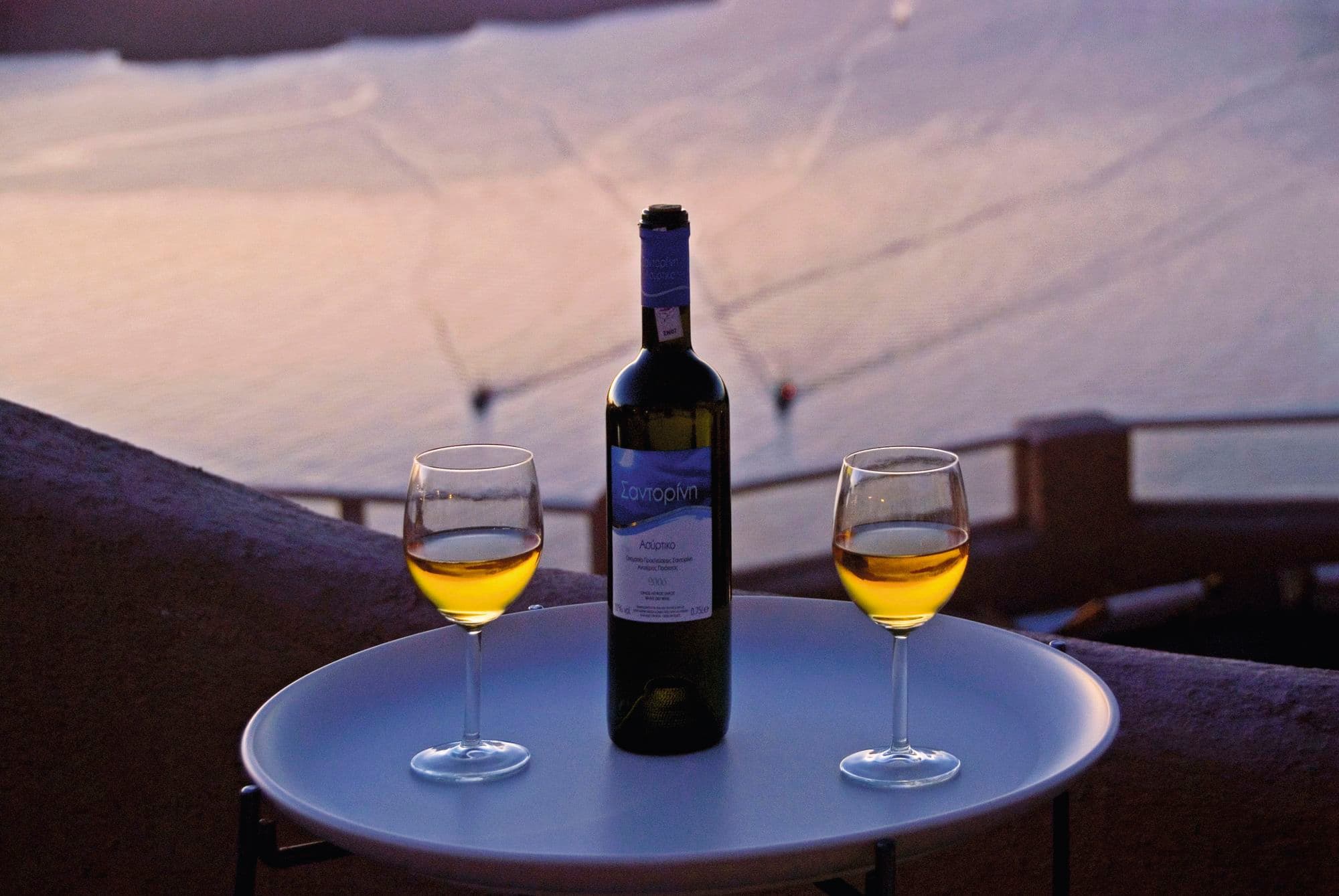
Santorini’s wine-making tradition’s celebrated on the 22nd of October. Locals head to the island’s wine cellars to taste the new harvest’s tipple, just as the barrels are cracked open.
Thessaloniki International Film Festival
In early November, Greece’s second city plays host to a film festival, attracting over 70,000 visitors a year. If you’re there for it, catch a film screening – there are over 150 to choose from.
Christmas markets
Greece might not be top of your list for a Christmas market break, but if you’re in Athens or Thessaloniki in December, you can get your festive fix – wooden huts, sparkling lights and all.
Take a look at our best deals, add handy holiday extras, or keep looking for travel inspiration.