
 Holidays
  Cruises

 Flights
  Hotel Only
  Deals
Deals  Destinations
  Extras
 Travel information
 Help Centre
;img.crop(width:1080%2Cheight:608))
;img.crop(width:1080%2Cheight:608))
;img.crop(width:1080%2Cheight:608))
;img.crop(width:1080%2Cheight:608))
;img.crop(width:1080%2Cheight:608))
;img.crop(width:1080%2Cheight:608))
;img.crop(width:1080%2Cheight:608))
;img.crop(width:1080%2Cheight:608))


;img.crop(width:1080%2Cheight:608))
;img.crop(width:1080%2Cheight:608))
;img.crop(width:1080%2Cheight:608))
;img.crop(width:1080%2Cheight:608))
;img.resize(height:608);img.crop(width:1080%2Cheight:608))
;img.crop(width:1080%2Cheight:608))
Currency
Euro
(EUR)
;img.crop(width:1080%2Cheight:608))
;img.crop(width:1080%2Cheight:608))
;img.crop(width:1080%2Cheight:608))
;img.crop(width:1080%2Cheight:608))
;img.crop(width:1080%2Cheight:608))
;img.crop(width:1080%2Cheight:608))
;img.crop(width:1080%2Cheight:608)&fit=thumb&w=782&h=394&q=70&fm=jpg)
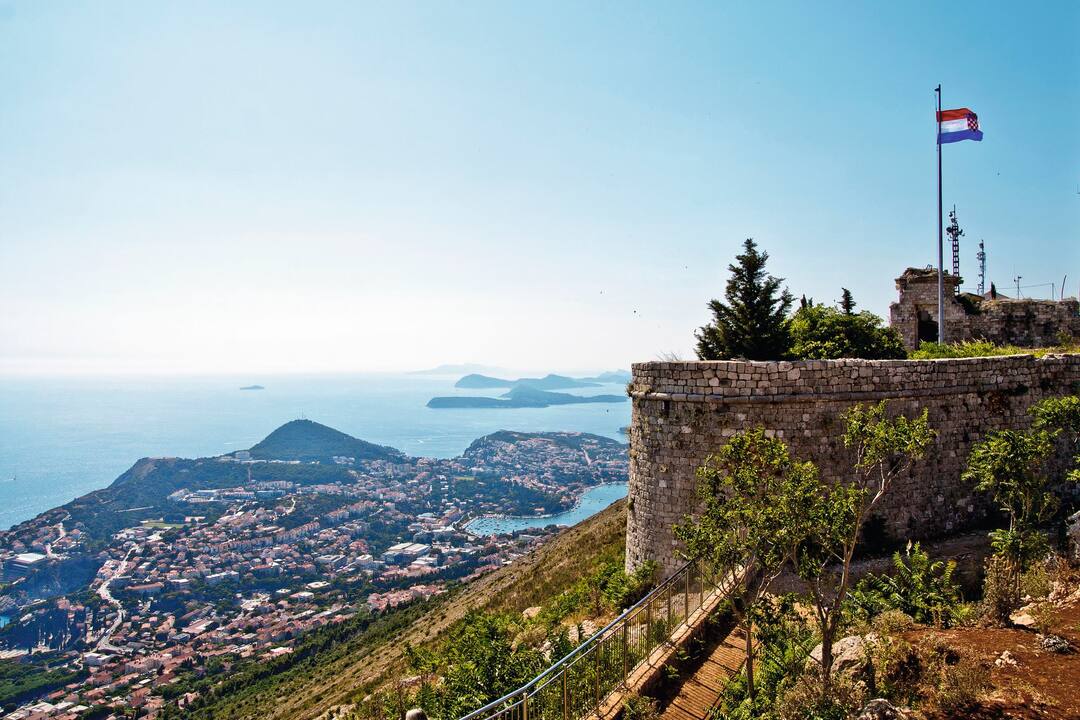
Dubrovnik holidays make the whole beach‑or‑city dilemma an easy win, landing you in the ‘Pearl of the Adriatic’, on the sun‑soaked Adriatic Riviera. Here, UNESCO listed history and coastal relaxation go hand‑in‑hand, with terracotta rooftops and Medieval stone walls setting the scene. And with February to September the peak months, it’s a solid pick for everything from early getaways to late‑summer sunshine.
The Dubrovnik region has hit Dalmatian coast stardom – and for good reason. Think of it as a dual destination experience, giving you a sweep of coastline and islands alongside the limestone streets of the Old Town. Days roll between the beach and the city, with bustling eateries and chic bars keeping things lively from lunch to late. It’s perfect for short breaks and weekend trips, especially if you like your holidays with a half‑beach, half‑city twist.
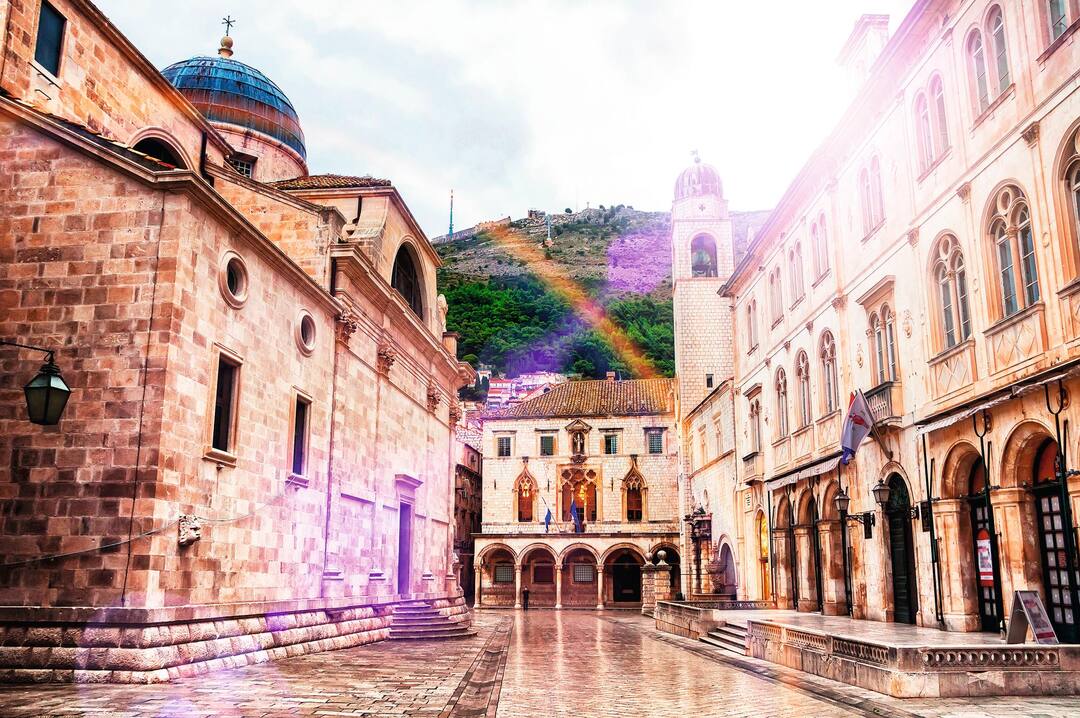
Lord Byron certainly wasn’t exaggerating when he called Dubrovnik the ‘Pearl of the Adriatic’. The old town has held its UNESCO World Heritage Status since 1979, and once you’re inside its historic 2km city walls circuit it’s pretty obvious why. Slip through the Pile or Ploce Gate entrances and you’ll hit the Stradun, Dubrovnik’s marble‑paved main street, with Renaissance and Baroque piazzas popping up as you wander down towards the pretty little harbour.
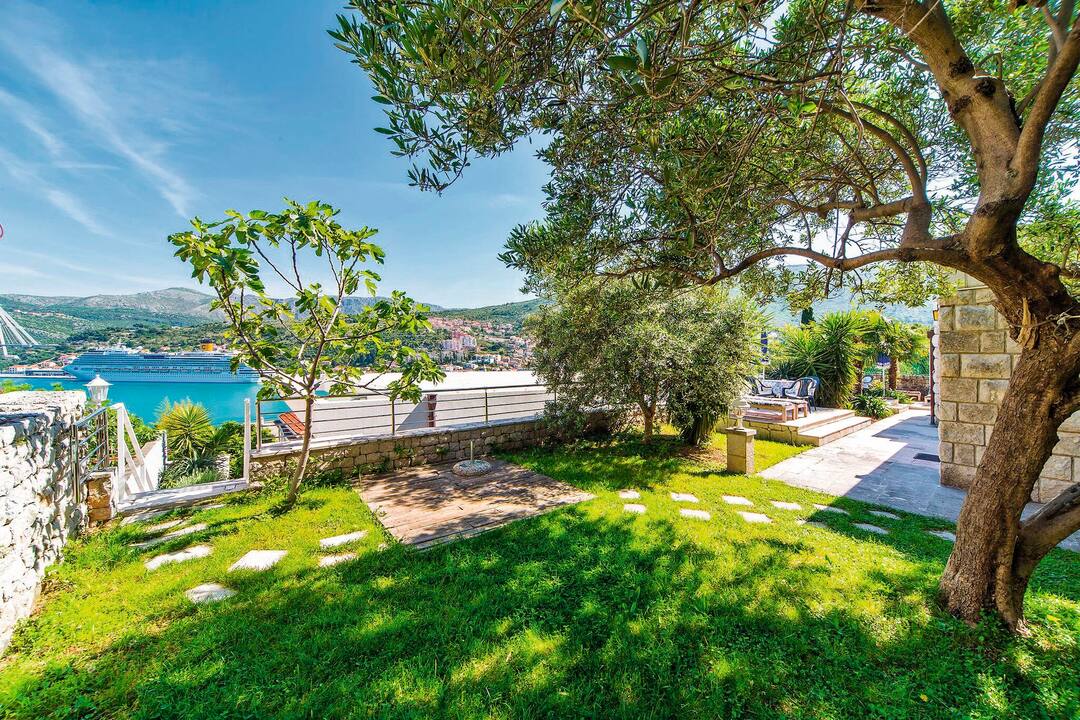
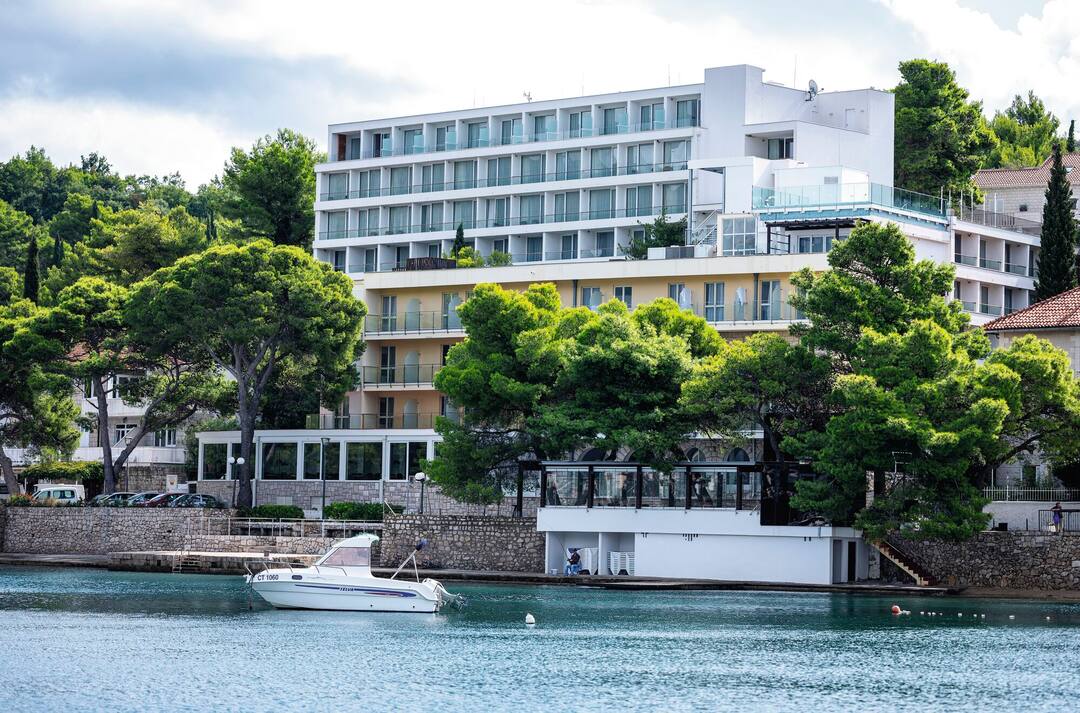
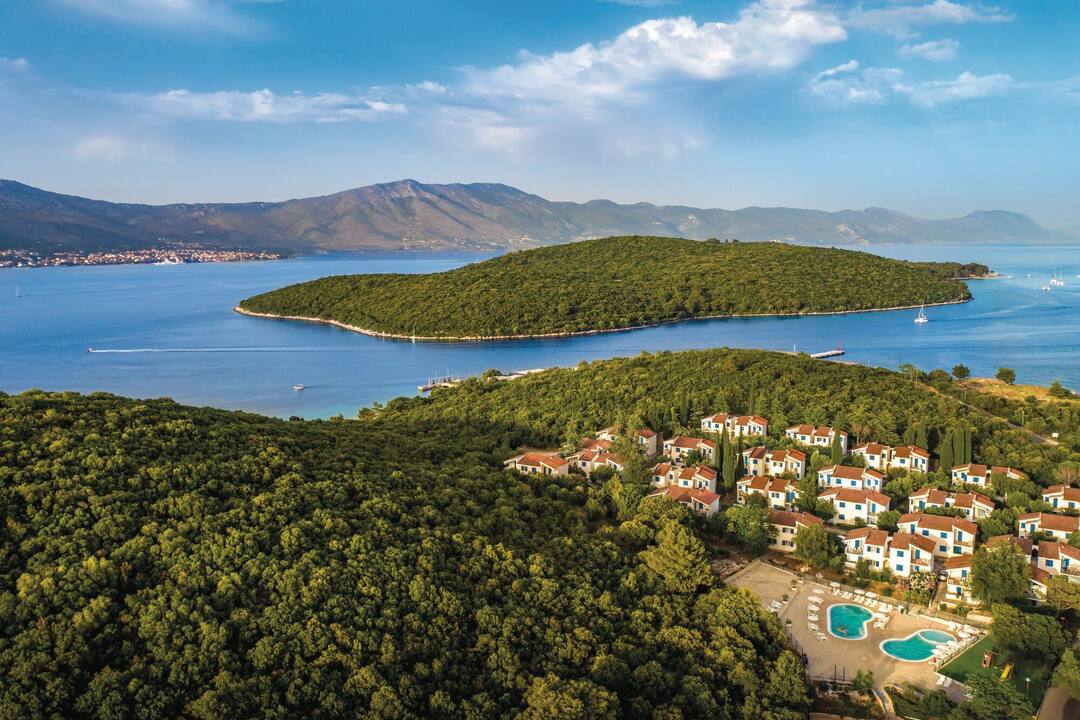
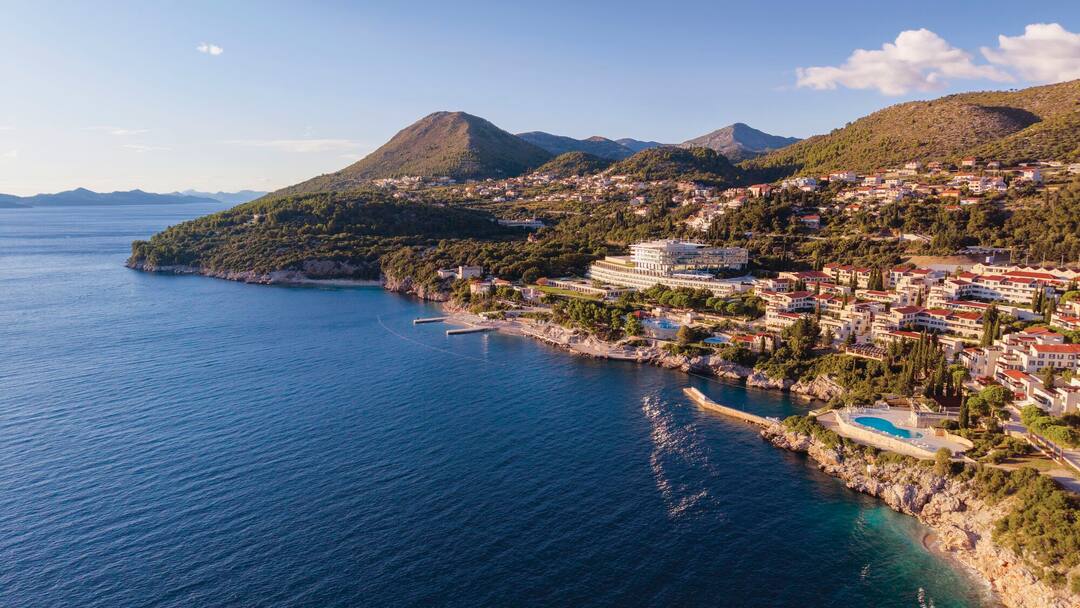
The Dubrovnik region really is one those places that’ll have you ‘wowing’ every few minutes – from pine-draped hillsides tumbling into coves, to seaside towns like Cavtat with its yacht-filled harbour. Over on the Lapad peninsula, pebble beaches run the show – especially around the Babin Kuk area – and the coast turns into a hotspot for watersports like windsurfing and sailing. And for quieter beach days, Mlini, Plat, and Srebreno coastal villages tend to stay crowd free, even in the height of summer.
Just off the coast, the Elaphiti archipelago is day‑trip heaven, with ferry links zipping out from Dubrovnik’s Old Harbour. You can hop over to the trio of islets – Kolocep, Lopud and Sipan – for sleepy villages, pine woods and golden stretches like Sunj Beach. Closer to town, Lokrum is a car free nature reserve full of shaded trails and tucked-away swimming spots. And if you’re up for going further afield, Mljet National Park delivers deep green forests and saltwater lakes.
All your questions about entry requirements, visas, passports or health information are answered on our Travel Advice page.
What travel adapter do I need for Dubrovnik and Islands?
When visiting Dubrovnik and the Islands, you'll need a European-style two-pin plug adapter Type C or Type F. Most hotels use standard European sockets, so bring an adapter to ensure you can charge your devices. We recommend bringing a multi-plug adapter if you have devices with different plug types.
Where can I try local food in Dubrovnik and Islands?
To sample traditional Dalmatian cuisine in Dubrovnik, explore the restaurants in the Old Town. You'll find local specialties like black risotto, fresh seafood, and peka (slow-cooked meat and vegetables). For an authentic experience, we recommend trying konobas, small family-run taverns that often serve homemade wines alongside regional dishes.
What are the best beaches in Dubrovnik and Islands?
Dubrovnik and its islands have Adriatic beaches with Banje Beach offering views of the Old Town and pebbled shores close to the city walls. Sveti Jakov Beach sits in a quieter cove south of Dubrovnik with clear waters ideal for swimming. On nearby Lokrum Island, rocky platforms and small bays provide secluded spots for sunbathing and snorkelling.
Should I tip in Dubrovnik and Islands?
Tipping is appreciated but not mandatory in Dubrovnik and the surrounding islands. In restaurants, it's common to round up the bill or leave 10% for good service. For other services like taxis or tours, a small tip is welcome if you're satisfied with the service.
What's the nightlife like in Dubrovnik and Islands?
Dubrovnik has lively nightlife centred around the Old Town with cocktail bars, wine cellars and open-air clubs along the ancient streets. Head to Banje Beach for beach clubs and DJ sets with views of the city walls. The islands like Hvar offer a mix of harbour bars, nightclubs and lowkey taverns serving local wines and live music.
Are there any local customs I should know about in Dubrovnik and Islands?
When visiting churches or monasteries in Dubrovnik, it's respectful to dress modestly by covering shoulders and knees. Croatians generally greet each other with a handshake and maintain eye contact. In restaurants, it's polite to wait to be seated and to keep noise levels down, especially in the evenings.
Where are the best places to shop in Dubrovnik and Islands?
For shopping in Dubrovnik, explore the charming boutiques along the Stradun in the Old Town. You'll find local specialties like lavender products, olive oil, and unique jewelry. Many resorts also offer convenient shops for essentials and souvenirs. For a modern shopping experience, visit the Dubrovnik Airport Mall.
What should I pack for Dubrovnik and Islands?
For Dubrovnik and Islands, pack lightweight, breathable clothing, comfortable walking shoes, and swimwear. Bring sun protection essentials like sunscreen, sunglasses, and a hat, as well as a light jacket for cooler evenings.
Take a look at our best deals, add handy holiday extras, or keep looking for travel inspiration.