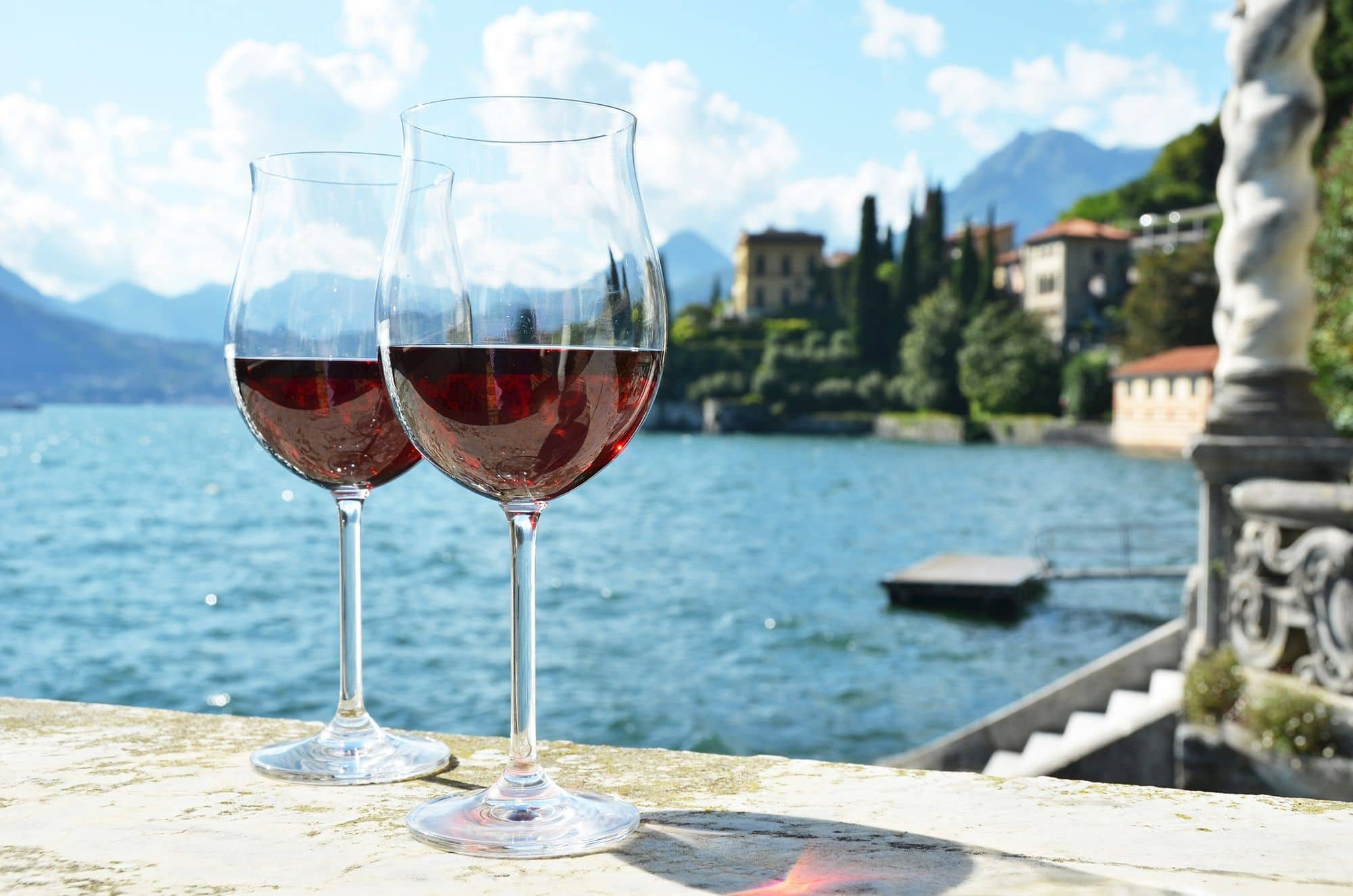
Trying all the local faves is one of the best things about going on holiday, and it’s not just about the food – there’s a whole menu of regional drinks to taste test too. Whether your tipple of choice is wine, beer or a spirit, this list will definitely have you trying something new.
This soft fizzy drink has been around since 1957 and it’s safe to say it’s pretty popular – in fact, it’s such a staple that it’s become the country’s national drink. And with 32 different alpine herbs in the recipe, it’s the perfect thing to drink when you’re in the mountains.
Invented back in the 1950s, this classic cocktail is a symbol of Italian summer, and is now a top choice even over in the UK. The main ingredient is Aperol, a bitter orange aperitif that’s got a love-it-or-hate-it kind of taste. Add prosecco, soda water and top with ice and orange slices, and you’ve got a spritz.
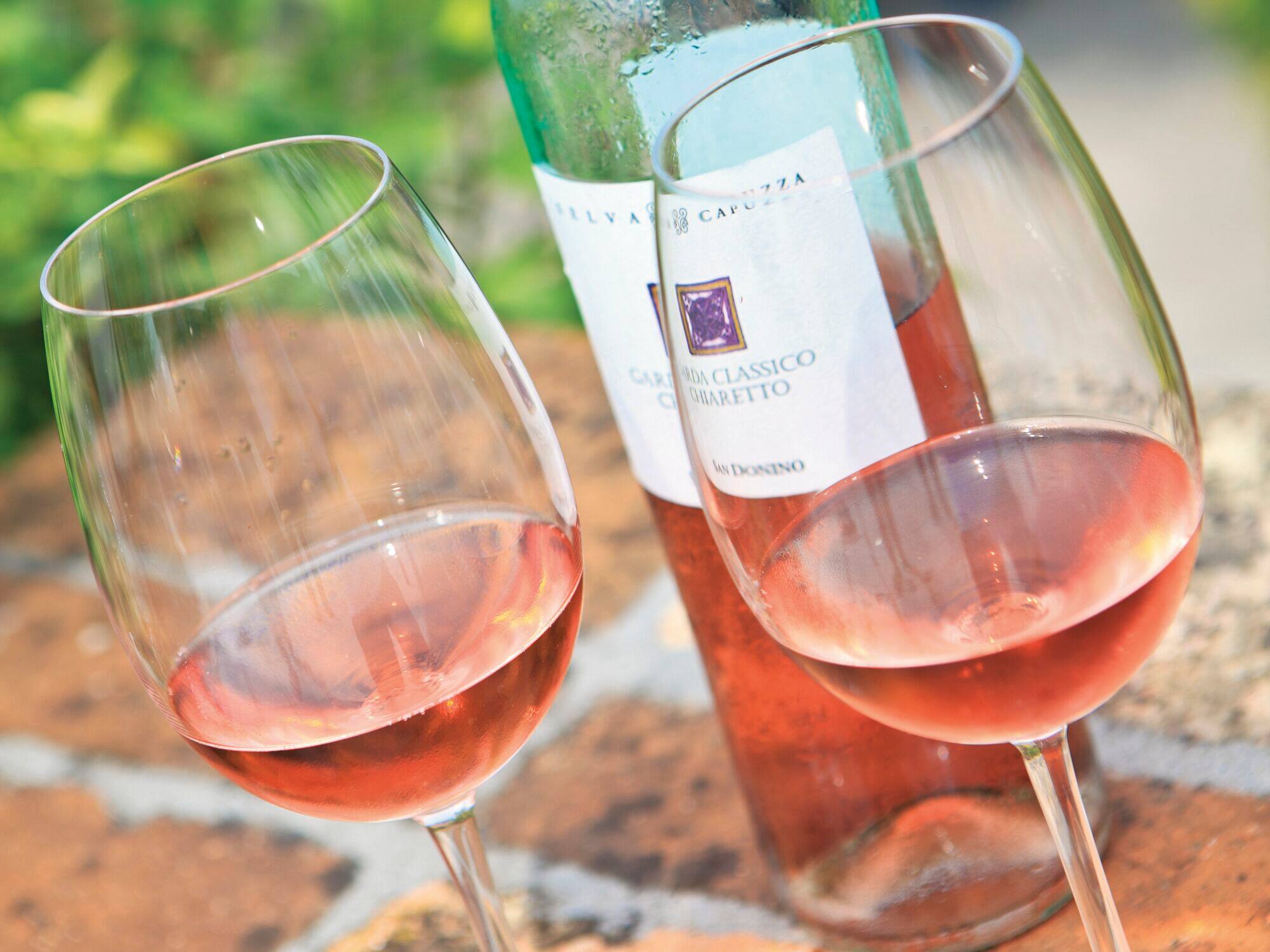
Lake Garda’s Bardolino is so proud of its dry, sparkling rosé that it throws a festival to celebrate it every June. It dates right back to 1896 and is named for its light pink colour – ‘chiaro’ means ‘clear’ or ‘pale’. Made using red grapes and white wine-making techniques, it tastes like fresh citrus, apricot, berries and vanilla, and goes really well with those Mediterranean fish dishes.
Beer might not be the first French drink to spring to mind but, in Chamonix, you can’t miss a visit to the Micro Brasserie de Chamonix (MBC). Their entire menu is brewed in-house, using water straight from the local valley. From blonde beer, inspired by German and Czech traditions, to an Irish-style stout, and even a beer that’s got subtle notes of banana – yes, really – there’s lots to try. And the drinks change monthly too, with different seasonal specials throughout the year.
Grappa can only be called grappa if it’s made in Italy, and it’s got a long history with the locals of Trentino and Lake Garda. It’s created by fermenting the pomace that’s left over from wine-making (that’s the grape skins, pulp, seeds and stems), and then flavoured with herbs, berries and roots. The result? A strong spirit that’s just the thing to sip after a big meal – it’s said to aid digestion too. And it can be added to espresso to make an Italian coffee fave, caffè corretto.
There are few things more refreshing than a chilled Hugo Spritz on a warm summer day. Created by a barman in the Italian region of South Tyrol, it’s an alternative to the traditional white wine spritzer and is made from prosecco, elderflower syrup and soda, topped with mint, lime and ice. And though it’s only been around since 2005, it didn’t take long to claim a spot as a must-order summer cocktail in Italy, Austria, Switzerland and Germany.
Also known as the Emperor Spritzer, this is Austria’s very own version of the Hugo Spritz. It uses a similar blend of white wine, elderberry syrup and soda, but leaves out the mint and lime – so it’s a bit sweeter but just as refreshing.
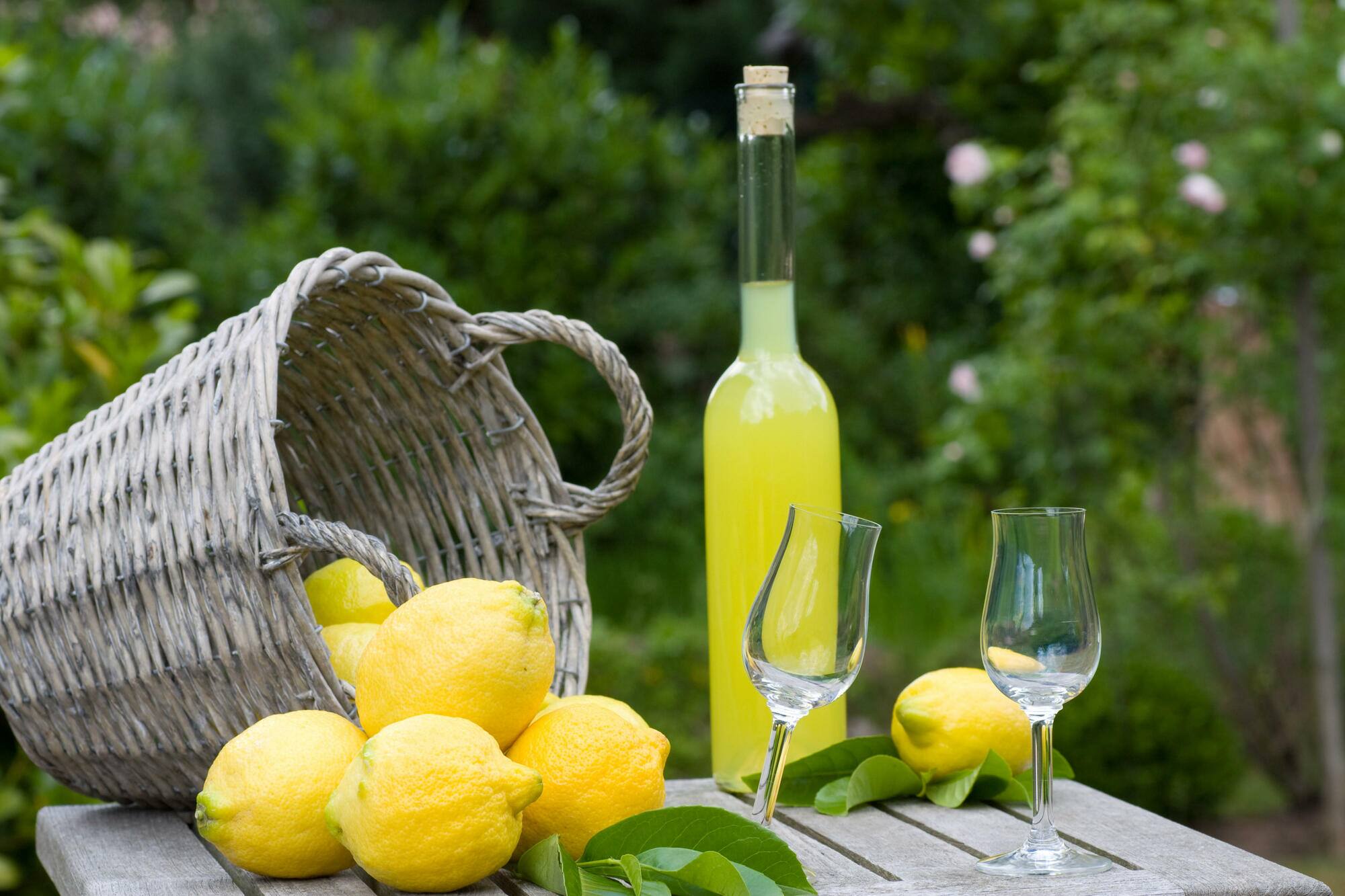
One of the most famous digestifs in Italy, limoncello mixes grain alcohol with lemon zest and sugar syrup. It’s still made in some parts of Lake Garda, and the best is made at the north end of the lake where it’s windier and slightly cooler. Why? The lemons that grow here are more fragrant and sour, so the limoncello’s sweet, tart and refreshing all at once. Do as the Italians do and try sipping a chilled glass at the end of a meal.
If you’re a white wine fan, you’ll love this one from the southern shores of Lake Garda. It’s one of the finest wines in the Italian lakes, with a refreshing taste that’s down to the way the grapes are grown, in a special clay soil. Want to try it? One of the best times is in Sirmione in September, where you can grab a glass at the Lugana Grape Festival. And if you’re having it with a meal, go for a pizza or pasta dish – it’s the perfect pairing.
Invented in Germany – radler means ‘cyclists’ in German – this mixed beer drink is a top summer pick in neighbouring Austria. The story goes that it was invented by an innkeeper on a popular mountain trail, who mixed lager and lemonade to double his supplies for thirsty cyclists. This 50:50 blend is now drunk all over the world, but in Austria they put their own spin on it by swapping lemonade for a local fave, Almdudler.
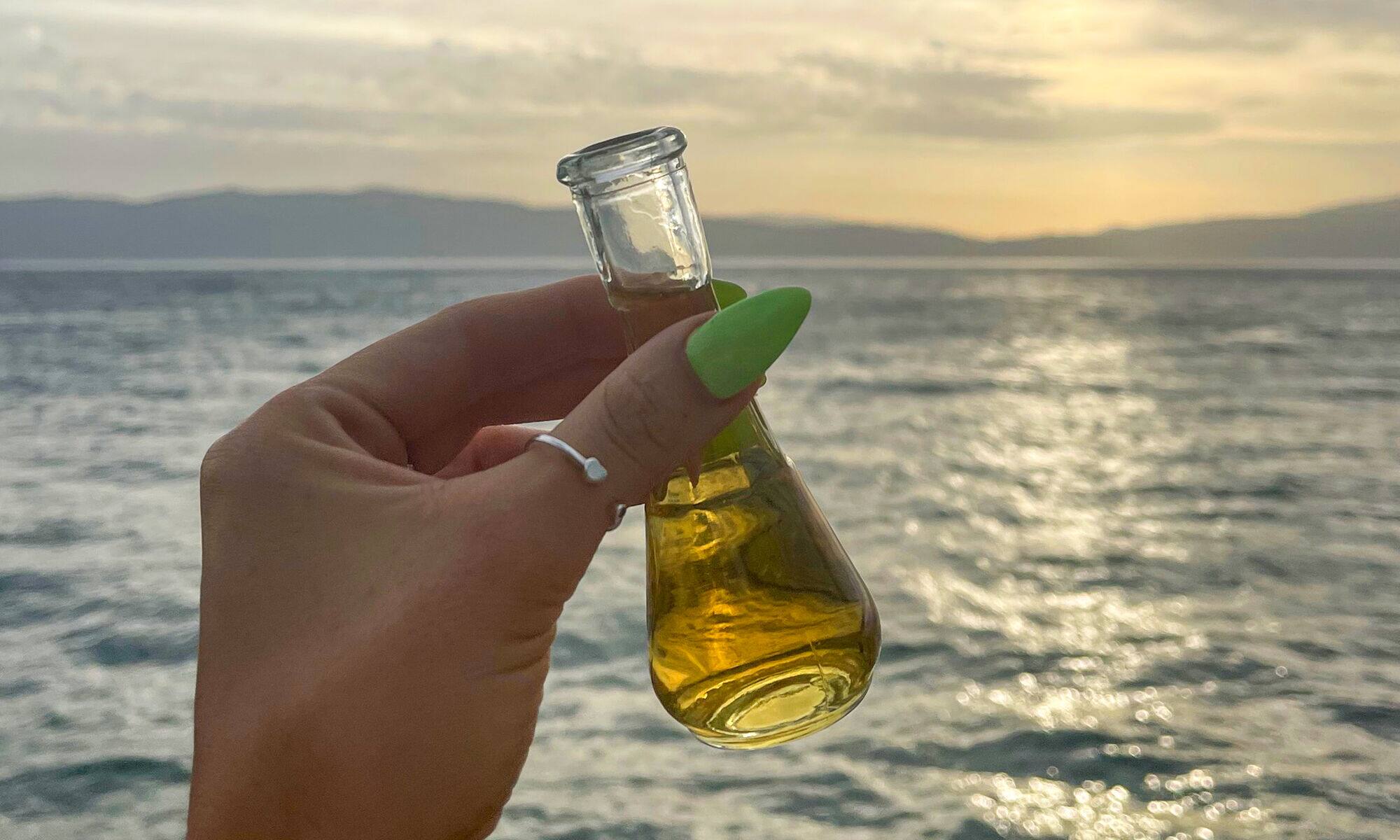
One of the most popular spirits in the country, rakija’s a knock-your-socks-off fruit brandy. It can be made from lots of different fruits, including plums, apricots, grapes or even a mix, but here the most common types are yellow and white grape rakija. Lots of the locals make their own, and you’ll find it in most restaurants too, so give it a try as an aperitif one evening.
Austrians have been making schnapps for centuries, so you know they’ve got it down to a T. Fruit (or 'obstler') schnapps is most common, flavoured with juicy plums, apricots, pears, blackberries or cherries. And in mountain huts you’ll often be greeted with a shot of gentian schnapps – an acquired taste as it’s very bitter.
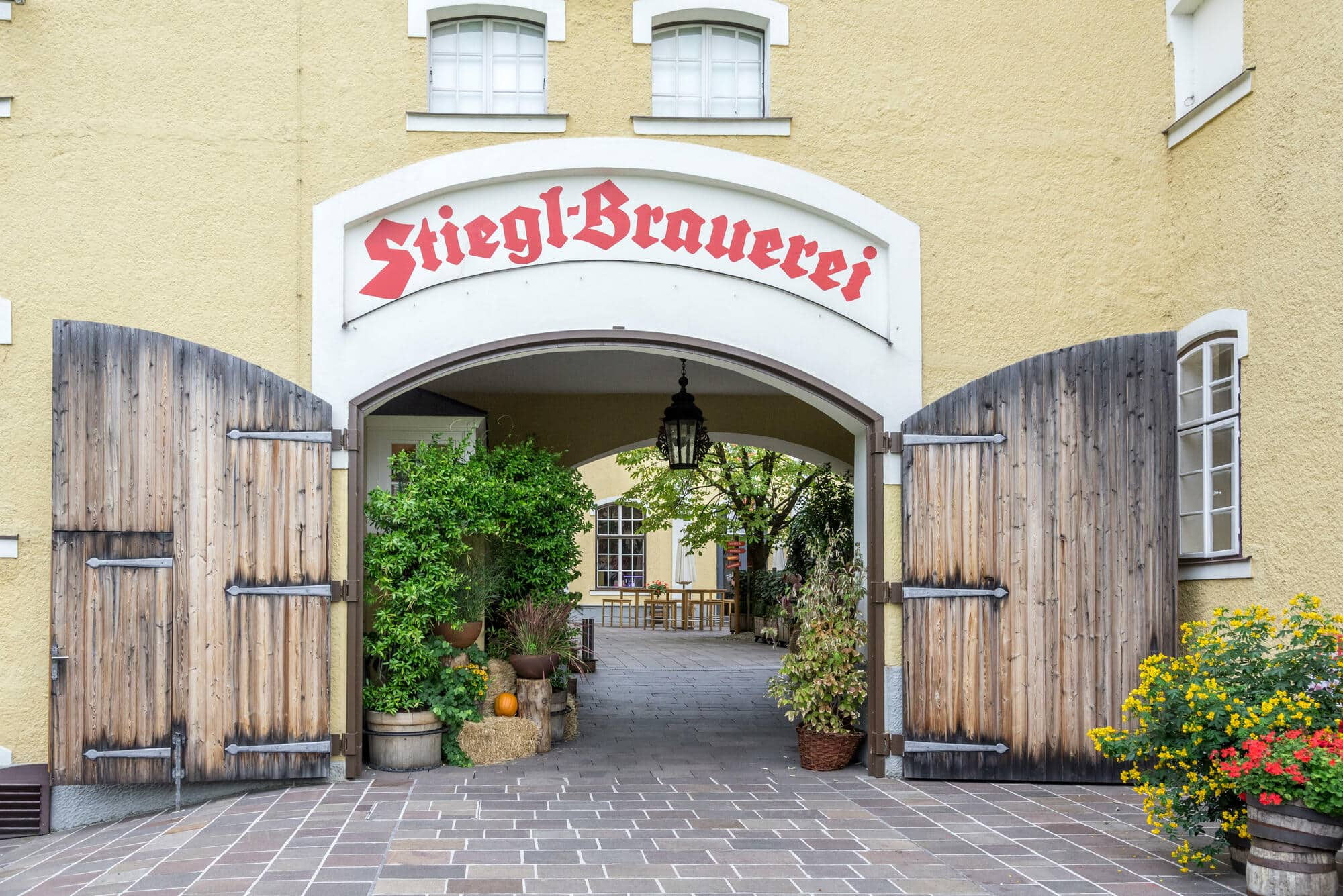
Stiegl is the official beer of Salzburg. It’s been brewed in the city since 1492, in what’s now the biggest private brewery in Austria, and you’ll find it in bars and restaurants all over the country. Quality is key, and the family-run business has an estate in Upper Austria where they grow their own spelt, oats and wheat to make the beer. Speciality house beers come in flavours like juniper, coriander, rye and, at Christmas, honey and cinnamon – there are loads, so you could try a different one every day of your holiday.
In Slovenia, don’t miss trying the country’s very own version of schnapps. It’s got a long history here, and lots of locals still make their own at home. Not sure where to start? Look out for popular flavours like viljamovka (pear), borovnica (blueberry) and medica (honey).
Zuger kirsch is a type of kirschwasser (meaning 'cherry water'), a clear brandy that was invented in the Black Forest region of Germany. It didn’t take long to make its way across the Swiss border, and over 350 types of cherry from the Zug region are now used to make this bitter digestif. In fact, it’s so popular that it’s also a key ingredient in some of the country’s specialities, like Zuger kirschtorte (Swiss cherry cake) and Basler läckerli cookies too.
Eager to get a real taste of Europe? Take a look at our latest Lakes & Mountains deals.
Head to our Lakes & Mountains homepage to discover more about our favourite holidays.
Author: Lulu Arnett-Morrice
Last updated: 27.10.2022

We use cookies and other technologies including from our partners on our website. Some of these are necessary so that our website runs reliably and securely (Strictly Necessary Cookies). With others we can improve our services and offer you content tailored to you, as well as collect anonymised data for statistical purposes (Functional Cookies, Analytical Cookies and Marketing Cookies).
By clicking "Accept" you consent to the use of all Cookies as described. By clicking "Decline" you limit yourself to Strictly Necessary Cookies and our website content is not tailored to you.
If you want to choose which cookie categories to accept or decline, click "Manage". You can always change these settings later by clicking on the "Manage cookie preferences" link in the website footer. For full details of each cookie, please see our cookie notice. We want you to be confident that your data is safe and secure with us: read our privacy notice.
 Holidays
 Cruises


 Flights
 Hotel Only
 Deals
 Destinations
 Extras
 Experiences
 Travel information
 Help Centre