
 Holidays
  Cruises

 Flights
  Hotel Only
  Deals
Deals  Destinations
  Extras
 Experiences
 Travel information
 Help Centre
;img.crop(width:1080%2Cheight:608))
;img.crop(width:1080%2Cheight:608))
;img.crop(width:1080%2Cheight:608))
;img.crop(width:1080%2Cheight:608))
;img.crop(width:1080%2Cheight:608))
;img.crop(width:1080%2Cheight:608))


;img.resize(height:608);img.crop(width:1080%2Cheight:608))
;img.crop(width:1080%2Cheight:608))
;img.resize(height:608);img.crop(width:1080%2Cheight:608))
;img.crop(width:1080%2Cheight:608))
;img.crop(width:1080%2Cheight:608))
;img.crop(width:1080%2Cheight:608))
Currency
Euro
(EUR)
;img.crop(width:1080%2Cheight:608))
;img.crop(width:1080%2Cheight:608))
;img.crop(width:1080%2Cheight:608))
;img.crop(width:1080%2Cheight:608))
;img.crop(width:1080%2Cheight:608))
;img.crop(width:1080%2Cheight:608))
;img.crop(width:1080%2Cheight:608)&fit=thumb&w=782&h=394&q=70&fm=jpg)
Lively tourist resorts, supersized beaches, and Barcelona on the doorstep – holidays to the Costa Brava score on every count.
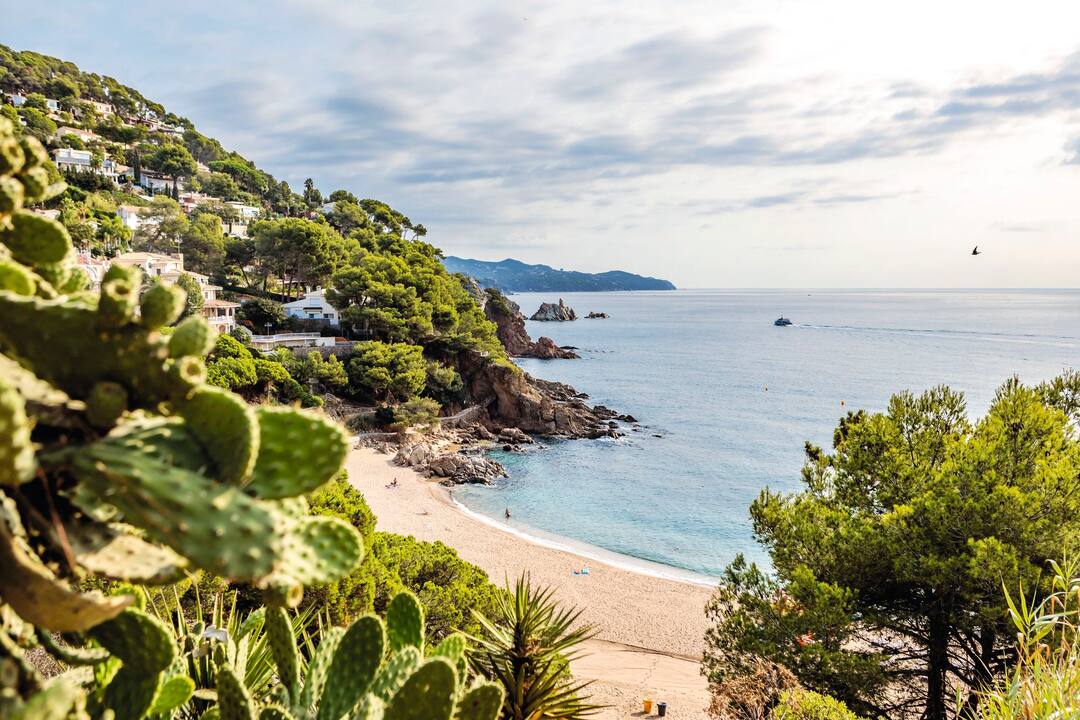
The northernmost of Spain’s Costas, the Costa Brava is probably the prettiest of the lot. It’s made up of rugged cliffs and secluded coves, which give way to fishing villages and seaside towns. And in among it all are the long beaches that have been attracting holidaymakers here since the Fifties.
Topping the list are Tossa de Mar’s two Blue Flag stretches. Lloret de Mar, meanwhile, offers up five sand-and-shingle sweeps and a waterfront lined with bars and pubs. Then there’s Calella de la Costa, where 3 kilometres of sands merge into neon-lit clubs and pubs. Family-friendly entertainment is out in force on the Costa Brava, too, in the shape of waterparks and nearby Port Aventura.
Traditional Spain shows its face along the coast, as well. Most resorts wrap around old towns of cobbled lanes, plazas and tapas bars. And inland there’s the town of Girona, where pretty, pastel-coloured buildings edge the river Onyar. But for a taste of city life, head for Barcelona. Catalonia’s trendy capital doesn’t do anything by halves, with its surreal Gaudi architecture, fashionable shops, and cobbled Gothic quarter.
Some FAQs are AI-generated. Use them as a helpful guide and confirm details before making travel decisions.
Where can I find the latest travel advice?
All your questions about entry requirements, visas, passports or health information are answered on our Travel Advice page.
What should I pack for Costa Brava?
For Costa Brava, pack lightweight summer clothing, swimwear, and a sun hat for beach days. Bring comfortable walking shoes for exploring coastal towns and a light jacket for cooler evenings. Include sun cream, sunglasses, and a reusable water bottle for outdoor activities.
Are there any local customs I should know about in Costa Brava?
When visiting Costa Brava, greet people with a handshake or two kisses on the cheeks among friends. Lunch is the main meal, often enjoyed during siesta hours in the afternoon. Dress casually but avoid beachwear in towns and restaurants.
Where can I try local food in Costa Brava?
You'll discover traditional Costa Brava cuisine in local restaurants and tapas bars throughout the region. We recommend exploring old town areas in places like Tossa de Mar or Lloret de Mar for authentic eateries. Try seafood paella, fresh anchovies, and suquet de peix, a local fish stew. If you're staying at a resort, ask your TUI rep about nearby restaurants serving Catalan specialties.
Where are the best places to shop in Costa Brava?
Costa Brava offers diverse shopping experiences. You'll find charming local markets in towns like Palafrugell and Begur, perfect for fresh produce and artisanal goods. For modern retail, head to Girona or Platja d'Aro, where you'll discover a mix of Spanish and international brands.
What's the nightlife like in Costa Brava?
Costa Brava's nightlife varies from lively to laid-back. In Lloret de Mar, you'll find clubs and bars open late into the night. For a more relaxed evening, try the beachfront bars in Tossa de Mar or the charming taverns in Cadaqués, where you can enjoy local wines and live music.
Should I tip in Costa Brava?
Tipping in Costa Brava is not obligatory. It is common to leave 10 to 15% of the bill for good service at restaurants. For taxis and hotel staff, leaving a small amount is a nice gesture if the service has been helpful.
What travel adapter do I need for Costa Brava?
When visiting the Costa Brava, you'll need European-style two-pin plugs, known as Type C or F. We recommend bringing a UK to European adapter for your devices. Most hotels provide these, but it's best to pack your own to ensure you can charge your devices anywhere.
What are the best beaches in Costa Brava?
Costa Brava's best beaches include Platja de Lloret with watersports in Lloret de Mar, and Sa Conca in S'Agaró for a quieter setting. Head to Tamariu for a small cove atmosphere, or Cala Montjoi near Roses for clear waters and coastal walks.
What are the top-rated All Inclusive hotels in Costa Brava?
Our top-five All Inclusive hotels in Costa Brava are:
What are the top-rated hotels for families in Costa Brava?
Our top-three hotels for families in Costa Brava are:
Take a look at our best deals, add handy holiday extras, or keep looking for travel inspiration.