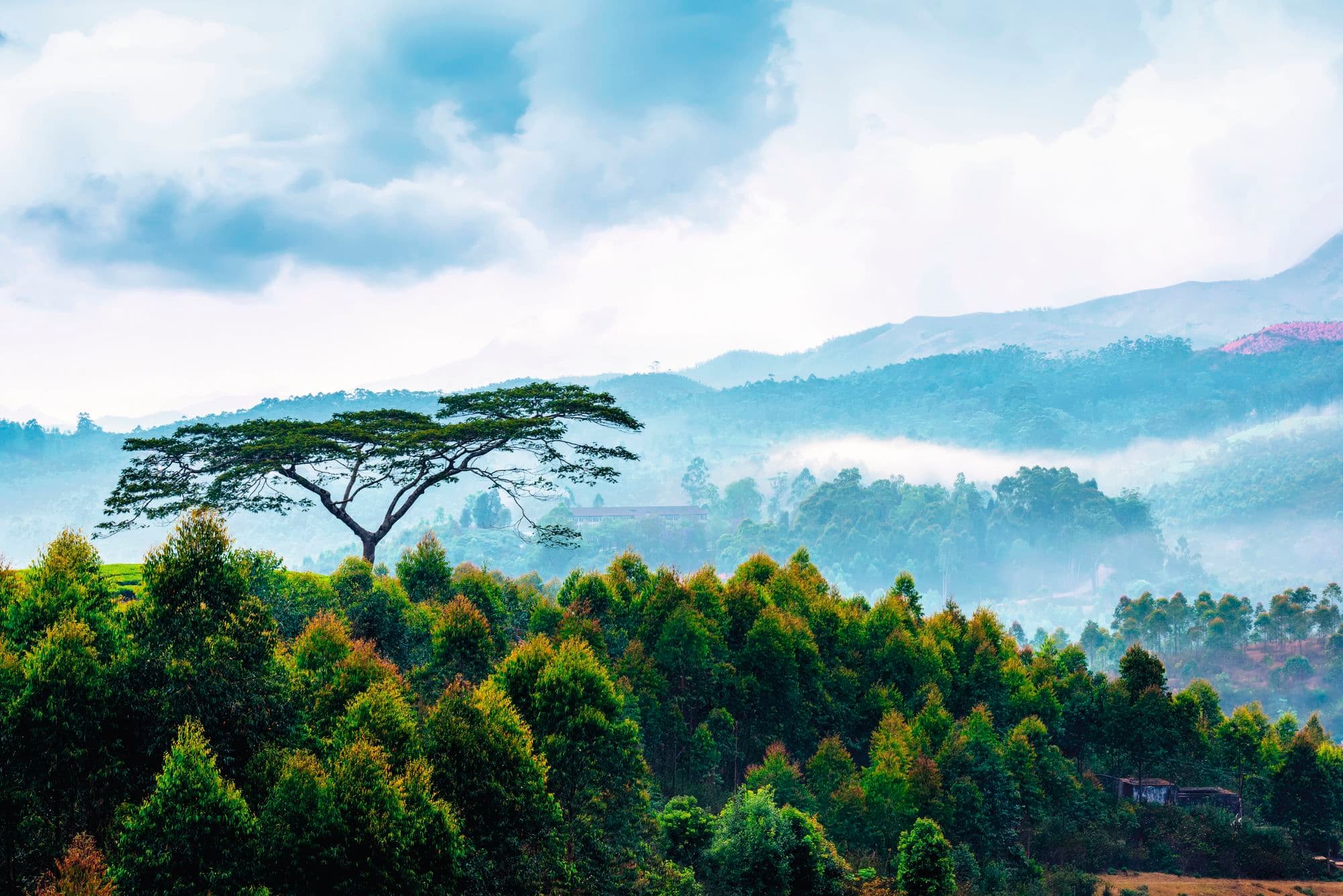
Monsoon season or festival time? Here's when to visit India.
As a guide, the best time to visit India is in the cooler, dry season between October and March. Weather patterns vary throughout the country – and at different times of the year – so, you can expect sunny days and blue skies in other months, too. It all depends on where you want to go... Want some more detail? We’ve got you covered below.
Don’t forget to check out our India holiday deals once you’ve picked your month
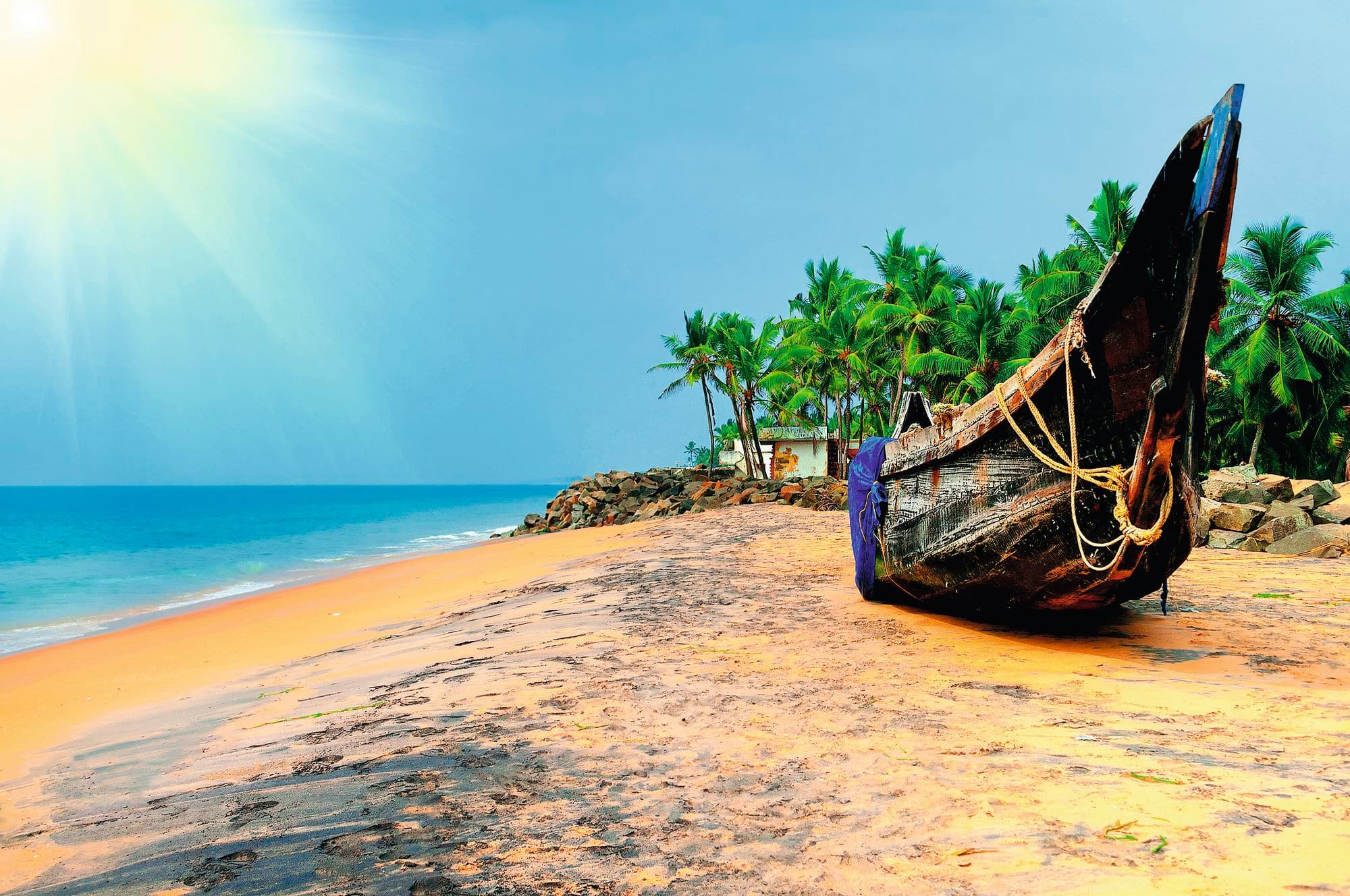
In southern India, you can expect high temperatures in April, however, they hover around the mid-twenties all year round, even in winter. Meanwhile, in the north, sunny days are most common in May.
Get more clued up with our India travel advice
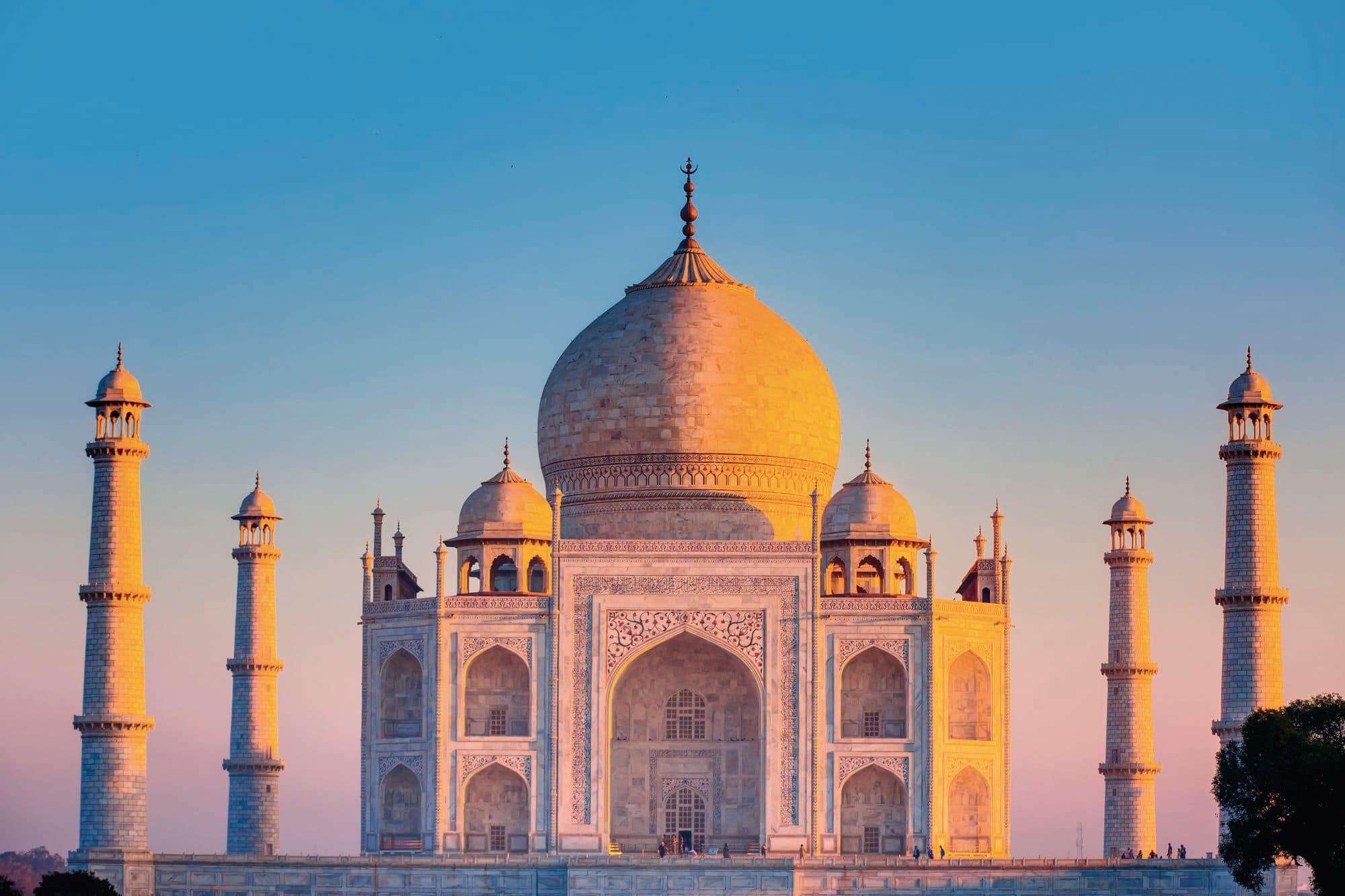
For travellers who like to keep things cooler, temperatures are lower in December and January in northern parts of India. So, if you want to explore famous UNESCO World Heritage sites like the Taj Mahal, the winter months are your best bet. The same goes for the iconic Golden Triangle route – it’s tricky to explore in the hot summer temperatures.
Find out more about the best things to do in India
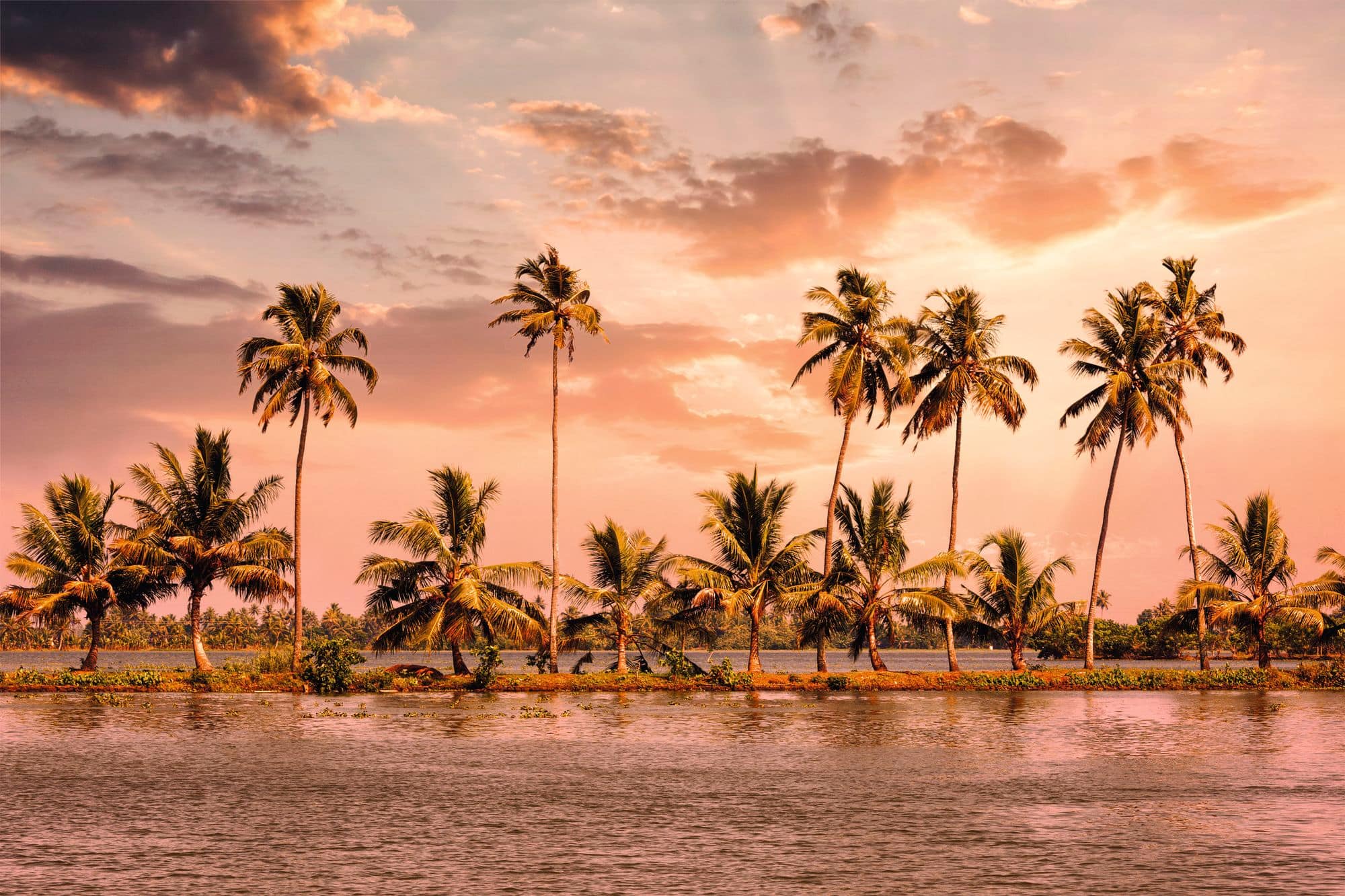
India’s wet season runs from June to September. Starting in the south of the country, the monsoon spreads north, across central India, until the entire country is covered. July and August are India’s rainiest months overall. And, if you’re after a beach holiday in Kerala or Goa, don’t travel in August and September, as it’s still pretty rainy until the very end of the monsoon season.

The monsoon season’s heavy rains are well and truly over by the end of October, and the weather stays dry until the rains kick off again at the beginning of June. If you want to visit Kerala for its impressive national parks, visit between October and December when it’s all super-green from the recent rains. If you’re after a beach holiday in Kerala, hold off until around February and April when it gets sunnier. Meanwhile, chilled-out, sunny holidays in Goa are best taken between November and February.
Feeling inspired? Check out our luxury holidays to India
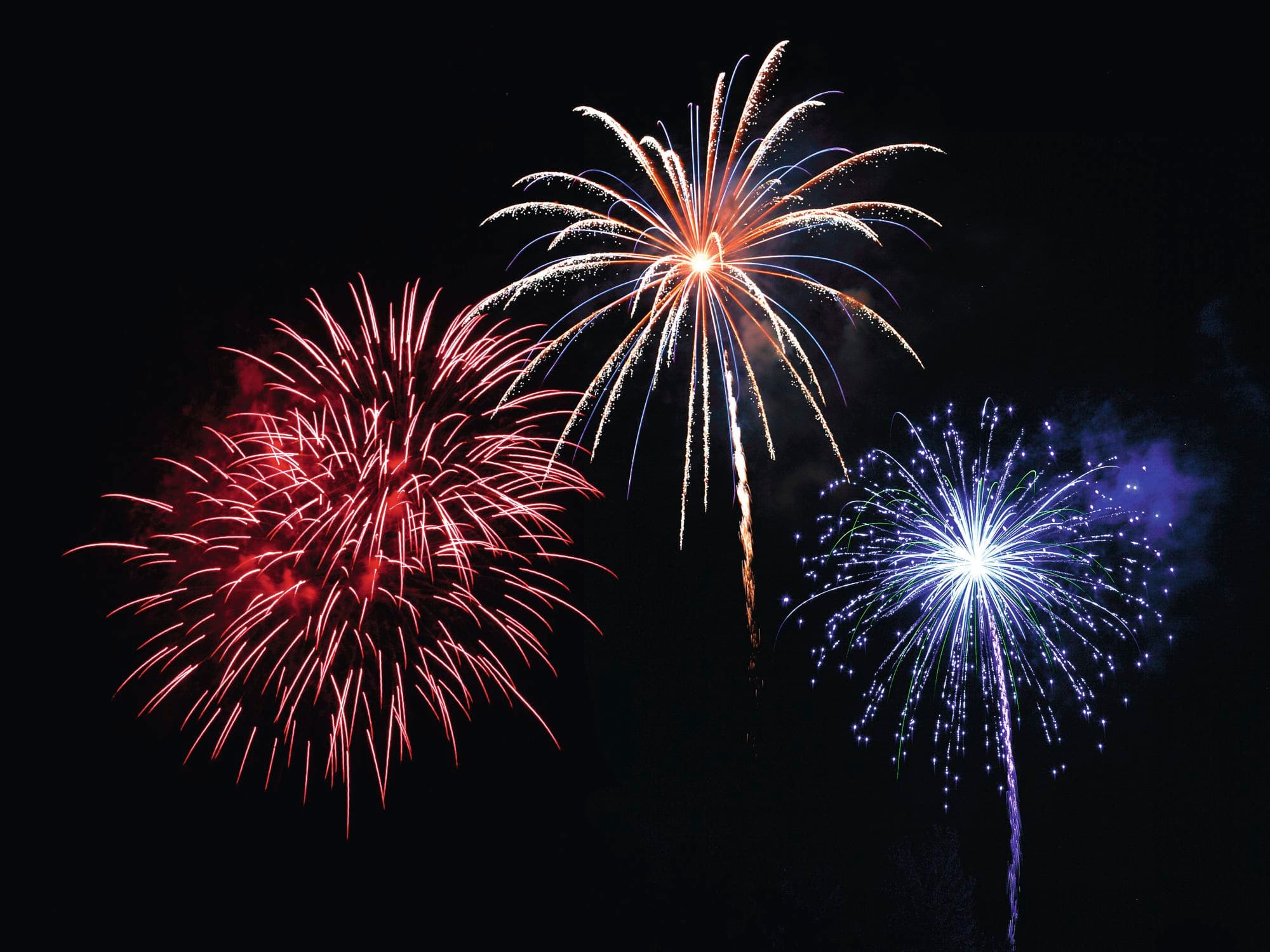
Diwali takes place over five days in the second half of October or first half of November. The date’s decided according to the Hindu lunisolar calendar – the main celebration is always on the darkest night of the year. If you visit India at this time of year, you can expect fireworks, plenty of festivities, and lots of lit lamps. In fact, the name Diwali means ‘rows of lighted lamps’.
Ready to pack? Our family holidays to India bring the fun, too
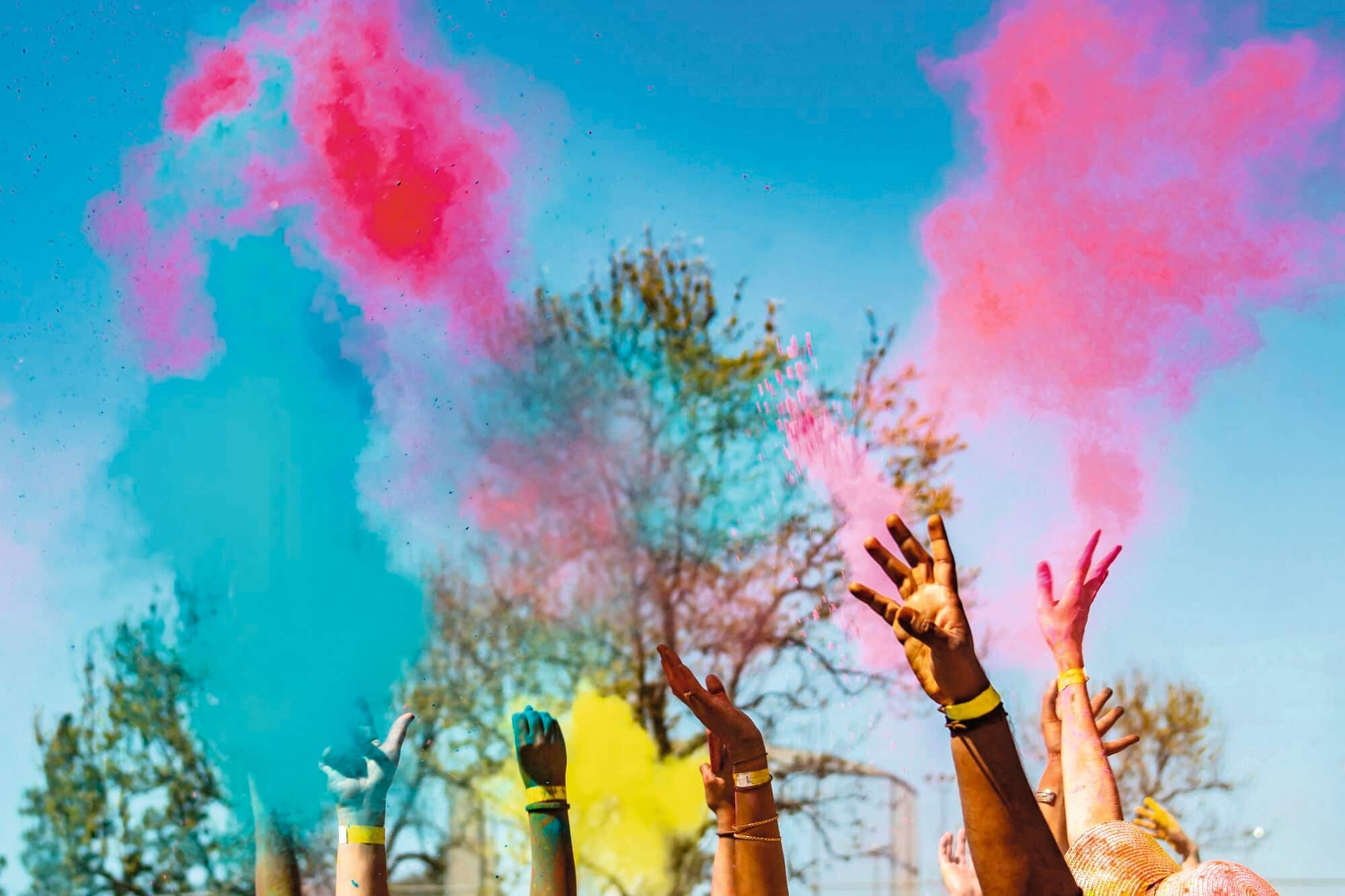
This celebration – known as the festival of colours – has its roots in Hinduism. It takes place during spring, over two days at the end of February or the middle of March. The event’s celebrated in different ways throughout the country, but always revolves around festival-goers flinging brightly coloured powder or water over each other.
It’s not too late to book your break, view our best last-minute India holiday deals
Decided when to jet off?
Now it’s time to book your holiday to India. Plus, find out more about the best places to visit in India, how you can see India on one of our Multi-Centre holidays and discover what’s included on our Golden Triangle tour.
Pssst. Head to the Discover homepage for our latest articles.
Author: Hannah Stratton
Last updated: 26.04.2019

We use cookies and other technologies including from our partners on our website. Some of these are necessary so that our website runs reliably and securely (Strictly Necessary Cookies). With others we can improve our services and offer you content tailored to you, as well as collect anonymised data for statistical purposes (Functional Cookies, Analytical Cookies and Marketing Cookies).
By clicking "Accept" you consent to the use of all Cookies as described. By clicking "Decline" you limit yourself to Strictly Necessary Cookies and our website content is not tailored to you.
If you want to choose which cookie categories to accept or decline, click "Manage". You can always change these settings later by clicking on the "Manage cookie preferences" link in the website footer. For full details of each cookie, please see our cookie notice. We want you to be confident that your data is safe and secure with us: read our privacy notice.
 Holidays
 Cruises


 Flights
 Hotel Only
 Deals
 Destinations
 Extras
 Experiences
 Travel information
 Help Centre