
 Holidays
  Cruises

 Flights
  Hotel Only
  Deals
Deals  Destinations
  Extras
 Experiences
 Travel information
 Help Centre
;img.crop(width:1080%2Cheight:608))
;img.crop(width:1080%2Cheight:608))
;img.crop(width:1080%2Cheight:608))
;img.crop(width:1080%2Cheight:608))
;img.crop(width:1080%2Cheight:608))
;img.crop(width:1080%2Cheight:608))
;img.crop(width:1080%2Cheight:608))
;img.crop(width:1080%2Cheight:608))
;img.crop(width:1080%2Cheight:608))
;img.crop(width:1080%2Cheight:608))
;img.crop(width:1080%2Cheight:608))
;img.crop(width:1080%2Cheight:608))
;img.crop(width:1080%2Cheight:608))
;img.crop(width:1080%2Cheight:608))


;img.resize(height:608);img.crop(width:1080%2Cheight:608))
;img.crop(width:1080%2Cheight:608))
;img.crop(width:1080%2Cheight:608))
;img.crop(width:1080%2Cheight:608))
;img.crop(width:1080%2Cheight:608))
Currency
Euro
(EUR)
;img.resize(height:608);img.crop(width:1080%2Cheight:608))
;img.resize(height:608);img.crop(width:1080%2Cheight:608))
;img.resize(height:608);img.crop(width:1080%2Cheight:608))
;img.crop(width:1080%2Cheight:608))
;img.crop(width:1080%2Cheight:608))
;img.crop(width:1080%2Cheight:608))
;img.crop(width:1080%2Cheight:608)&fit=thumb&w=782&h=394&q=70&fm=jpg)
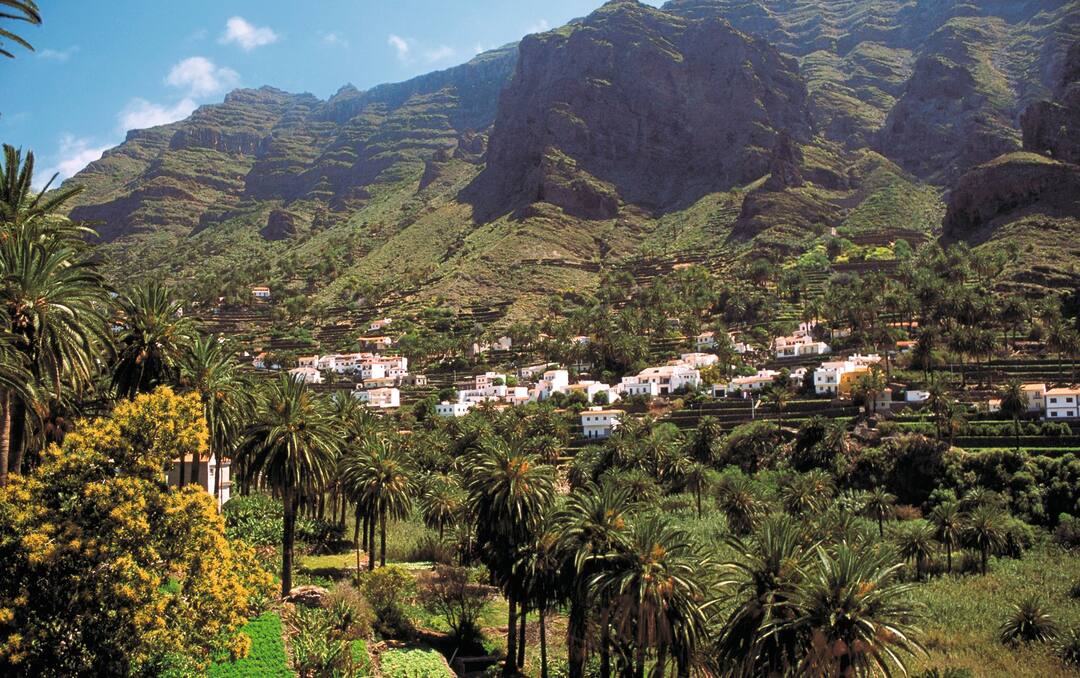
Holidays to La Gomera give you an insight into the Canary Islands' unspoilt side. Expect deserted beaches, forested mountainsides and traditional villages.
As far as the Canary Islands are concerned, La Gomera is one of the quieter ones. Covering an area of just 146 square miles, this tiny lozenge of land is often overshadowed by the all-singing all-dancing reputations of the larger Canaries.
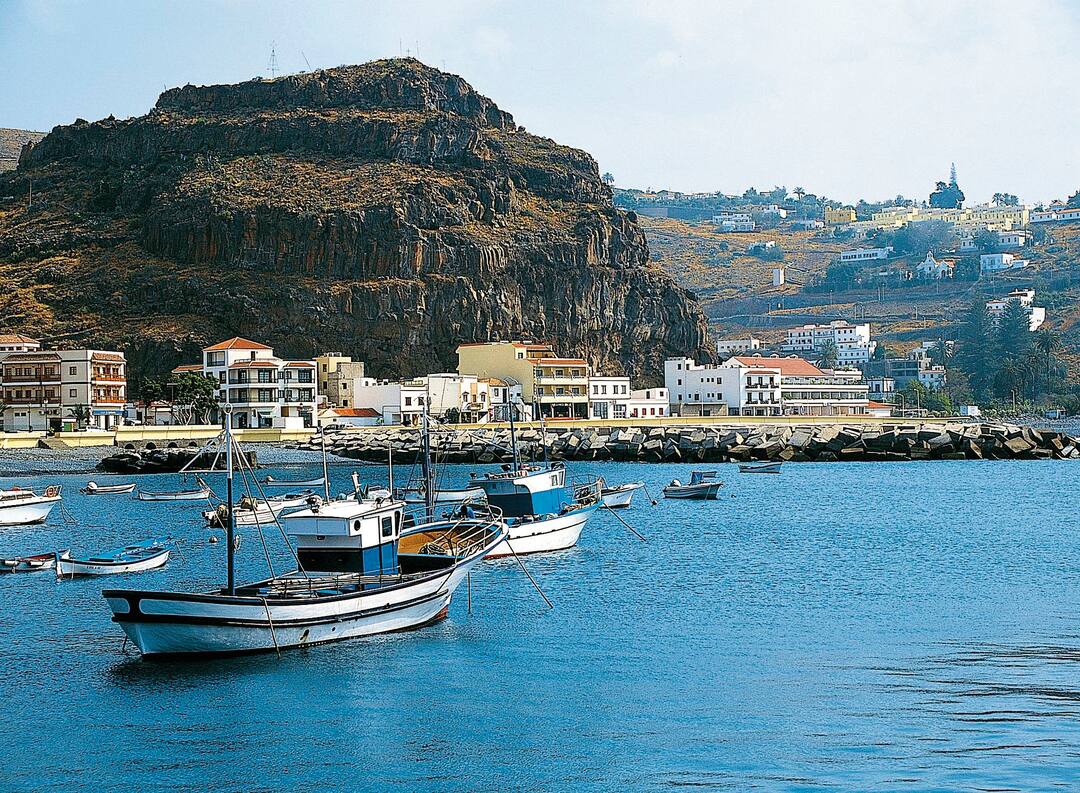
Despite appearances, there’s more to La Gomera than meets the eye. For starters, it’s a bit of a rebel when it comes to the mass tourism market. Brit pubs, high-rise hotels and neon strips are as uncommon as cold weather here. Holiday resorts, like Playa de Santiago, are pocket-sized affairs with single-story accommodation and family-run restaurants.
On top of traditional towns, La Gomera offers up tangled rainforest, unexplored beaches and volcanic mountain ridges. As such, walking is the island’s bread-and-butter activity. But there are plenty of other ways to occupy your time. You can follow in the footsteps of Christopher Columbus, who lived here in the 15th century, or dive with barracudas in the island’s unspoilt coral reefs.
Some FAQs are AI-generated. Use them as a helpful guide and confirm details before making travel decisions.
Where can I find the latest travel advice?
All your questions about entry requirements, visas, passports or health information are answered on our Travel Advice page.
What travel adapter do I need for La Gomera?
When visiting La Gomera, you'll need adapters for Type C and Type F plugs, both with two round pins. These European-style outlets are standard throughout the island. UK visitors will require an adapter for their devices. We recommend bringing a European travel adapter and checking high-powered appliances for compatibility with La Gomera's 230V supply.
Should I tip in La Gomera?
Tipping in La Gomera is not obligatory but appreciated for good service. It is common to leave 10 to 15% of the bill at restaurants. For taxis and hotel staff, leaving a small amount is a nice gesture.
Where can I try local food in La Gomera?
You'll find traditional La Gomera cuisine in local restaurants and guachinches throughout the island. We recommend trying almogrote and watercress soup in family-run eateries in San Sebastian or Valle Gran Rey. Many coastal restaurants offer fresh seafood dishes. If you're staying at a resort, ask your TUI rep about nearby authentic restaurants.
What's the nightlife like in La Gomera?
La Gomera offers a lowkey evening scene centred around local bars and restaurants. Head to Valle Gran Rey for beachfront bars with live music, or explore San Sebastián for a relaxed drink in the town square.
What are the best beaches in La Gomera?
La Gomera's coastline features black volcanic sand and pebble beaches. Playa de Santiago offers calm waters for swimming, while Valle Gran Rey has several small beaches with restaurants and cafes nearby.
Where are the best places to shop in La Gomera?
For shopping in La Gomera, you'll find charming local markets and artisan shops. San Sebastian, the capital, offers the widest variety of stores. Look for unique Gomeran products like aloe vera cosmetics, palm honey, and traditional pottery as souvenirs.
Are there any local customs I should know about in La Gomera?
When visiting La Gomera, locals appreciate a polite buenos días or buenas tardes. Dress modestly when visiting churches. La Gomera is known for its whistling language, Silbo Gomero, which locals still use in rural areas.
What should I pack for La Gomera?
For La Gomera, pack lightweight, breathable clothing, swimwear, and a light jacket for cooler evenings. Bring comfortable walking shoes for hiking, sunscreen, a hat, and insect repellent. Don't forget a reusable water bottle, camera, and any personal medications you might need.
Take a look at our best deals, add handy holiday extras, or keep looking for travel inspiration.