
 Holidays
  Cruises

 Flights
  Hotel Only
  Deals
Deals  Destinations
  Extras
 Experiences
 Travel information
 Help Centre


;img.crop(width:1080%2Cheight:608))
Currency
Rupee
(INR)
;img.crop(width:1080%2Cheight:608))
;img.crop(width:1080%2Cheight:608))
;img.crop(width:1080%2Cheight:608))
;img.crop(width:1080%2Cheight:608))
;img.crop(width:1080%2Cheight:608))
;img.crop(width:1080%2Cheight:608))
;img.crop(width:1080%2Cheight:608)&fit=thumb&w=782&h=394&q=70&fm=jpg)
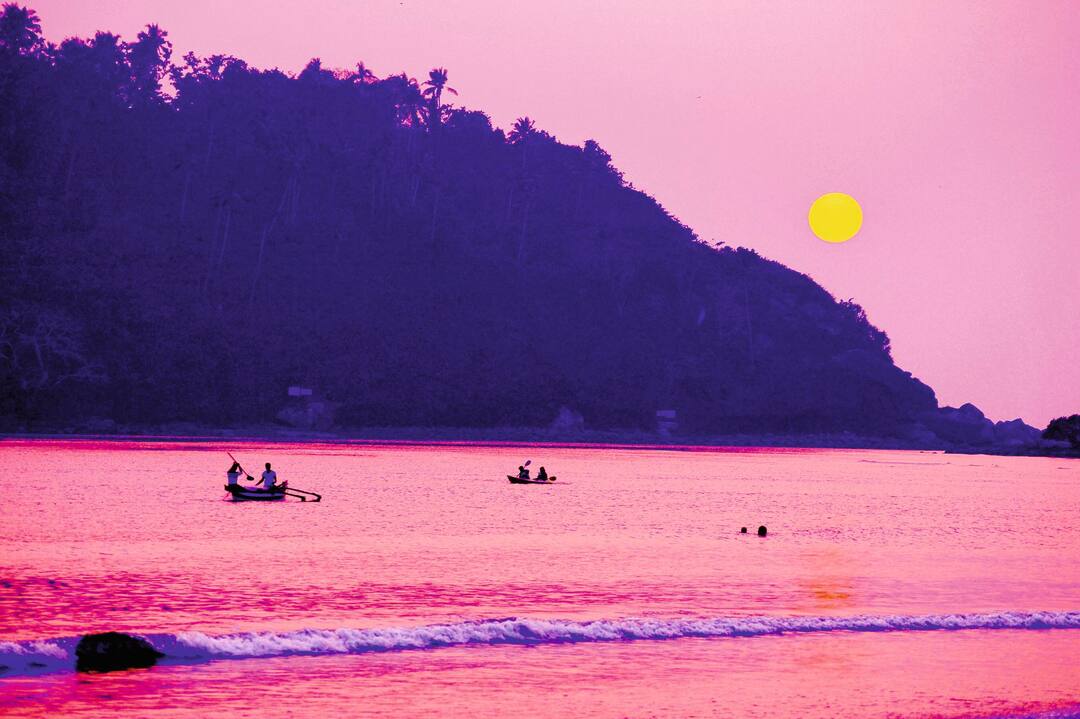
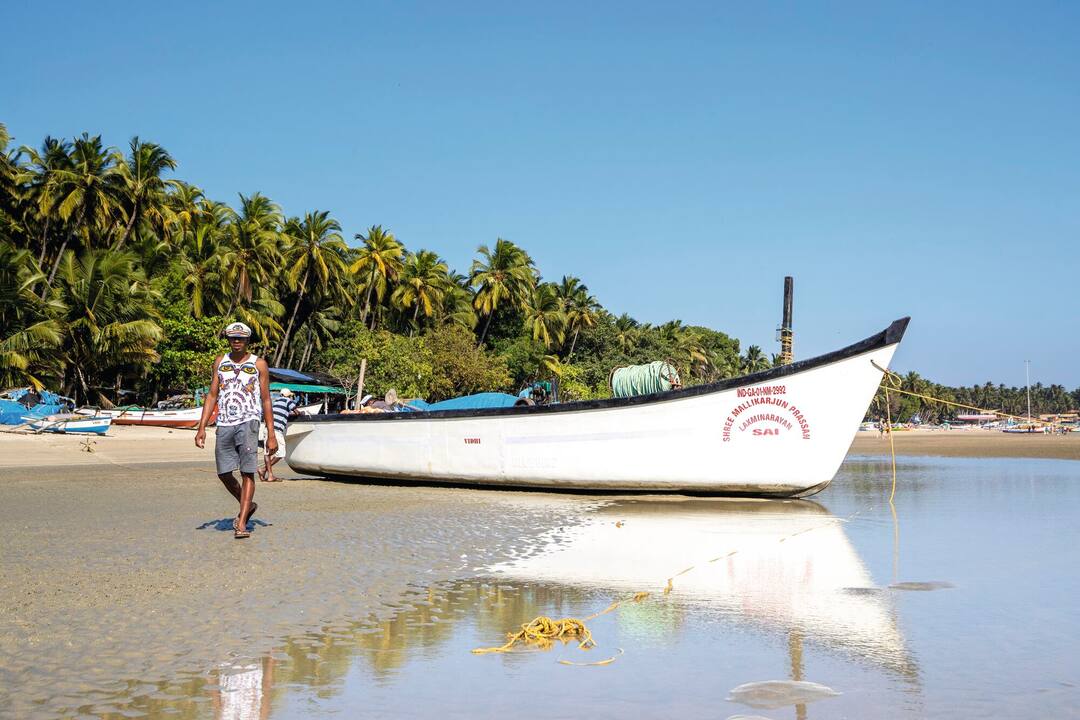
Holidays to Majorda put you in reach of one of Goa's most untouched beaches, where sacred cows trundle along the sand, local children sell shell jewellery, and shacks serve up Goan fish curries.
Majorda's a quaint village in south Goa surrounded by palm groves, paddy fields and a seemingly endless stretch of sand. Scattered around its narrow village streets are hacienda-style homes and sugar-white chapels – reminders of its Portuguese colonial past. The village also figures in Hindu legend as it was on Majorda Beach that Lord Rama was held captive – some people have all the luck.
Legend aside, Majorda Beach is one of Goa’s prettiest beaches, sitting on a wide 25-kilometre stretch of sand, dotted with thatched parasols and lapped by the warm Arabian Sea. The northern section has plenty of beach shacks and a roll call of watersports. It’s much quieter to the south, where sun-seekers stretch out under the palm trees.
Running from the seafront to the village is Majorda Beach Road, a strip lined with gift shops, bars and delicious Goan restaurants. The smell of fresh bread hangs in the air as Majorda’s the bakery capital of Goa – it was in the village that locals first learnt European baking techniques. There are also a handful of chapels, plus the sugar-white Church of Our Lady, built by the Portuguese in 1588.
A 25-minute drive away is Margao, the capital of South Goa. It’s a typically busy Indian city with a cacophony of revving cars, beeping motorbikes, and animated street vendors. The biggest attractions are the Church of the Holy Spirit in the main square and the covered market, which has freshly cut flowers, neat pyramids of Indian spices, and carts piled high with red chilli.
Where can I find the latest travel advice?
All your questions about entry requirements, visas, passports or health information are answered on our Travel Advice page.
Take a look at our best deals, add handy holiday extras, or keep looking for travel inspiration.