Namibia Highlights: from Etosha to Sossusvlei

Individual Tour
12 DaysNamibia
About this tour

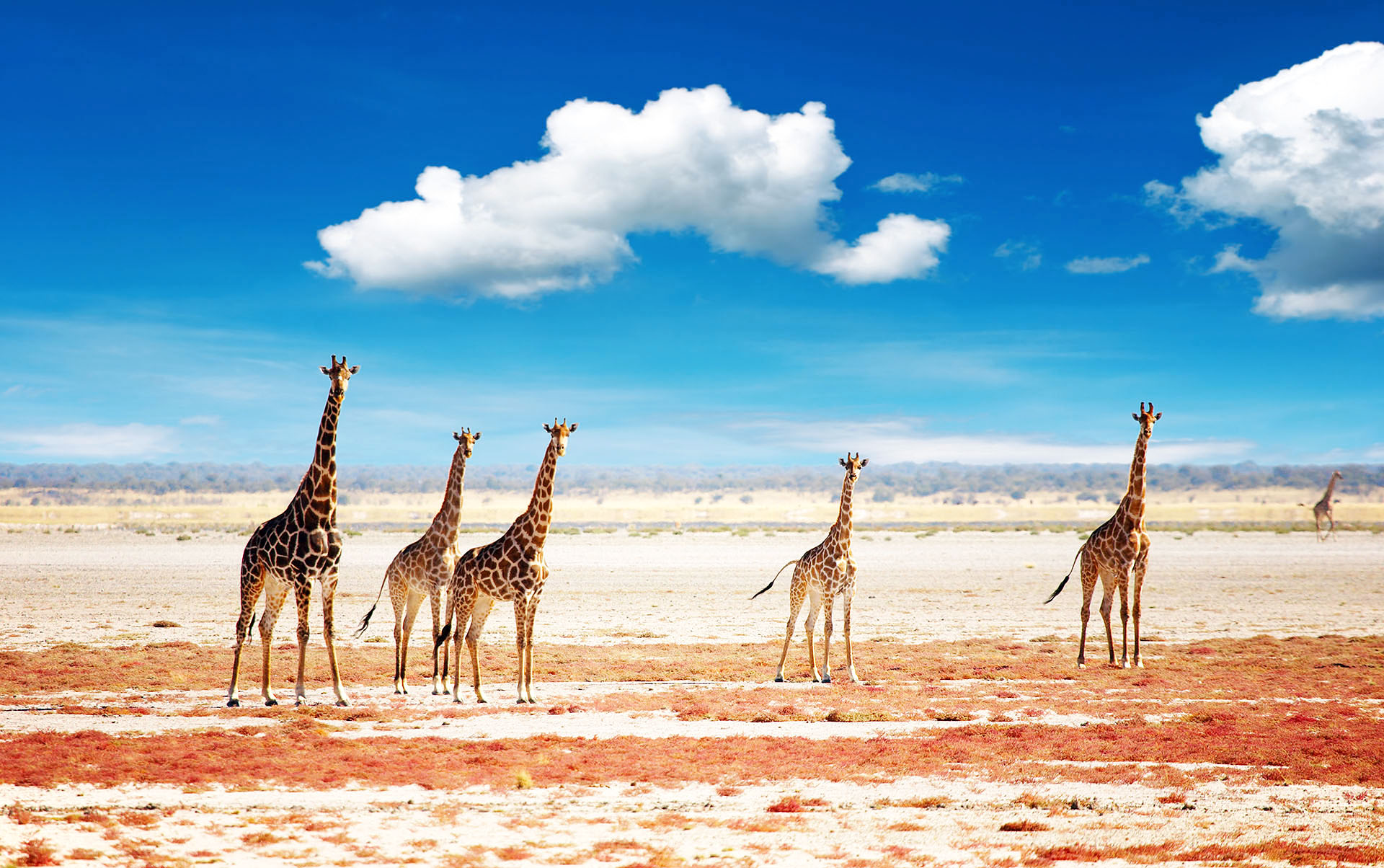
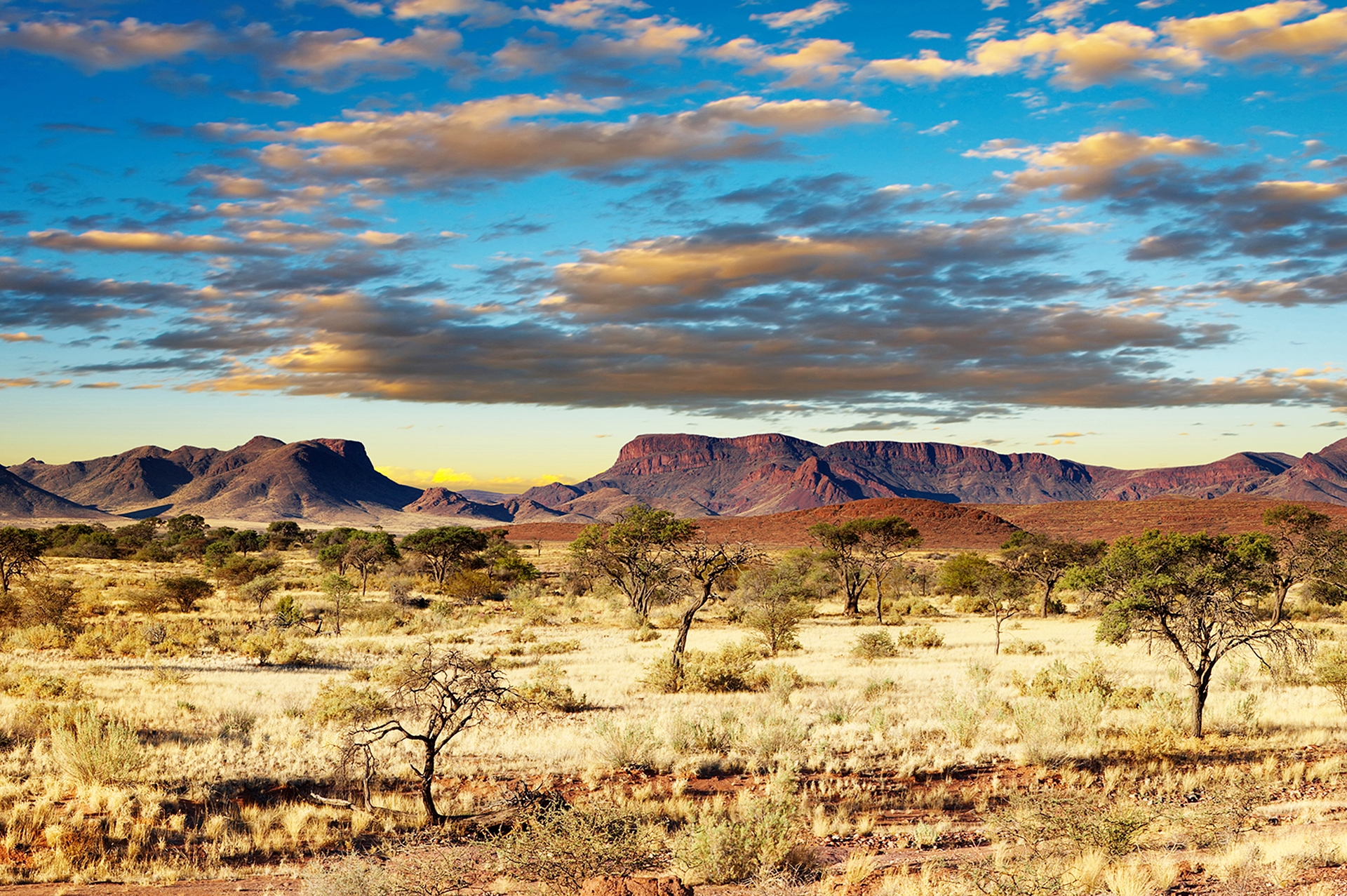
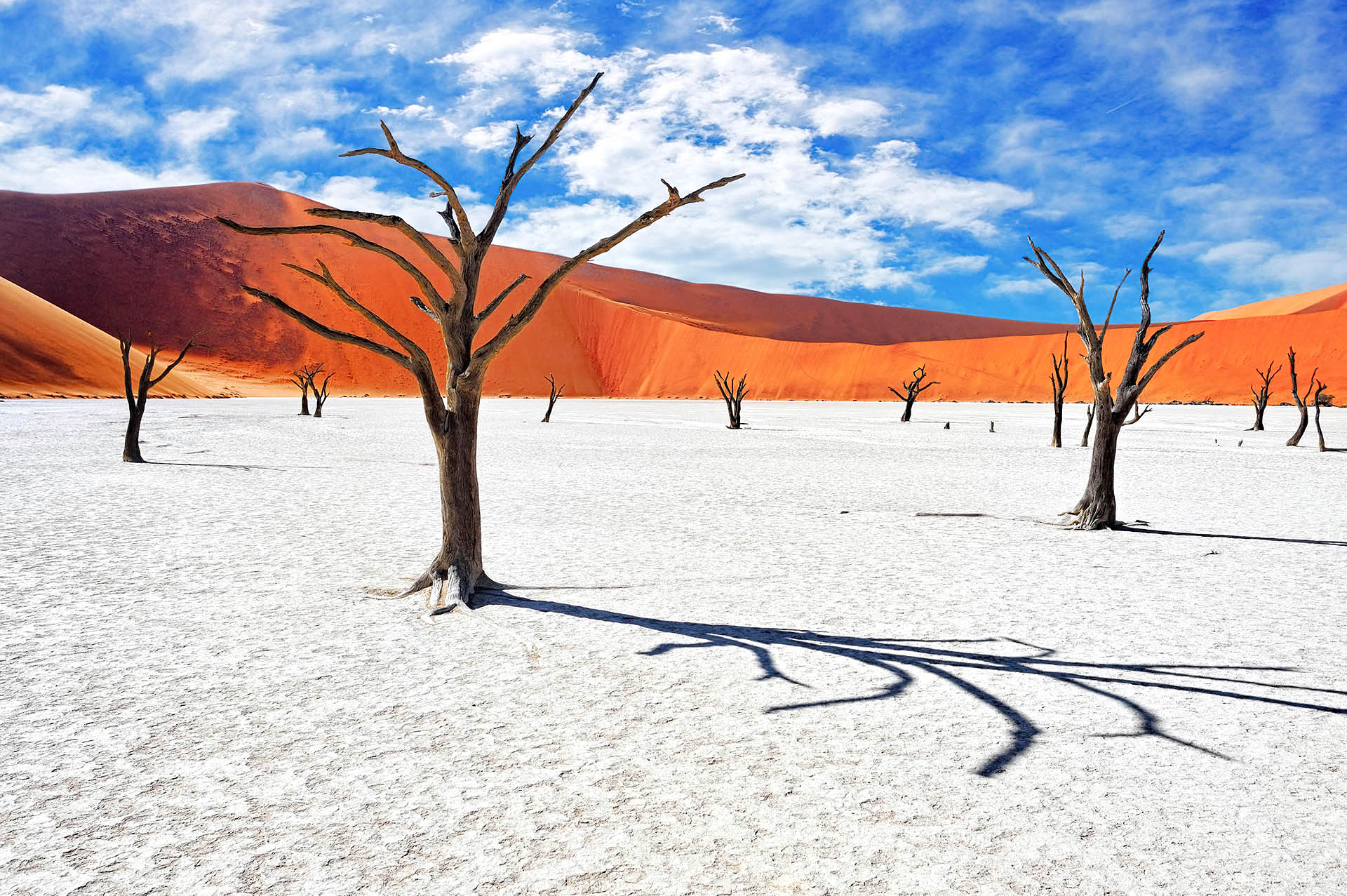
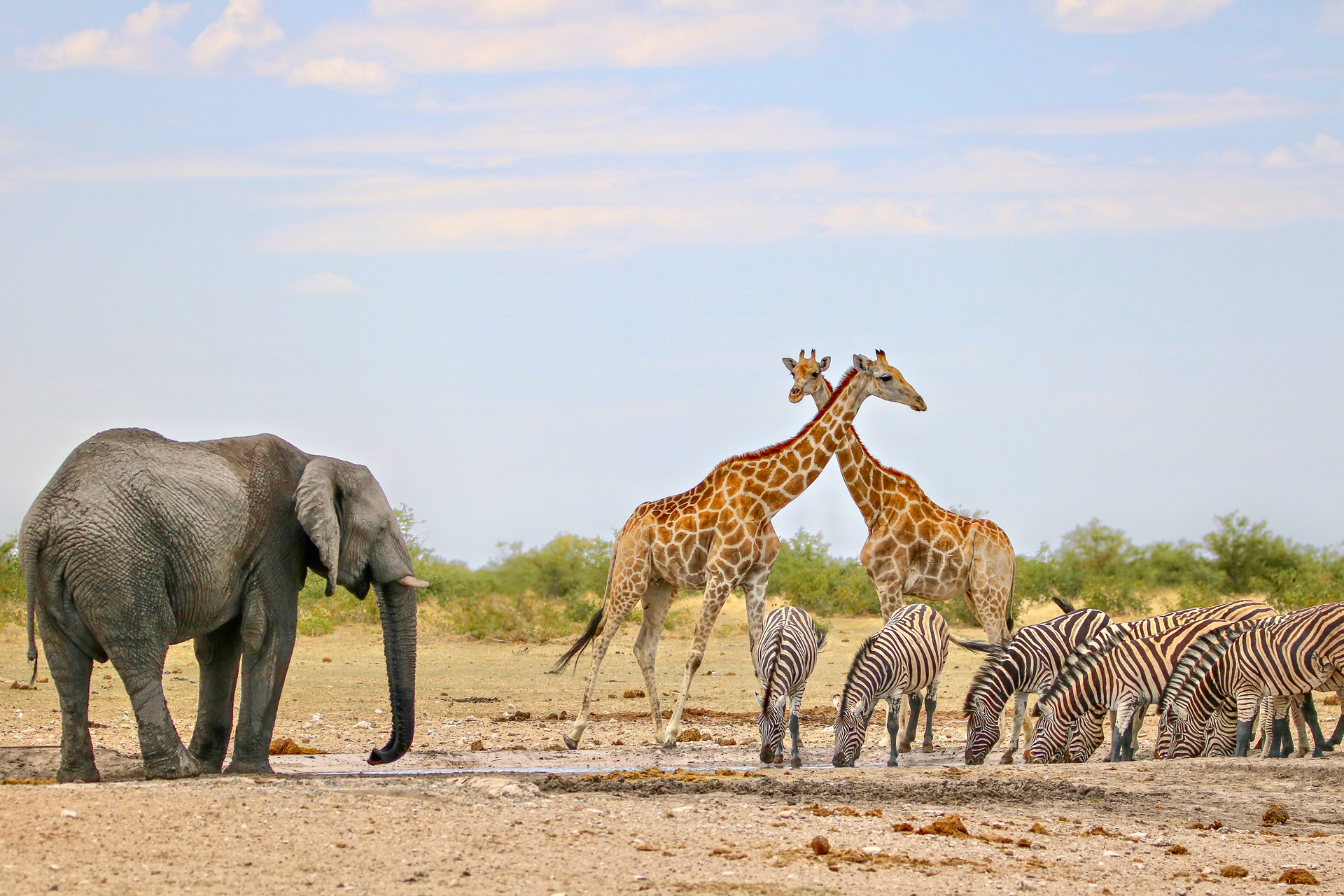
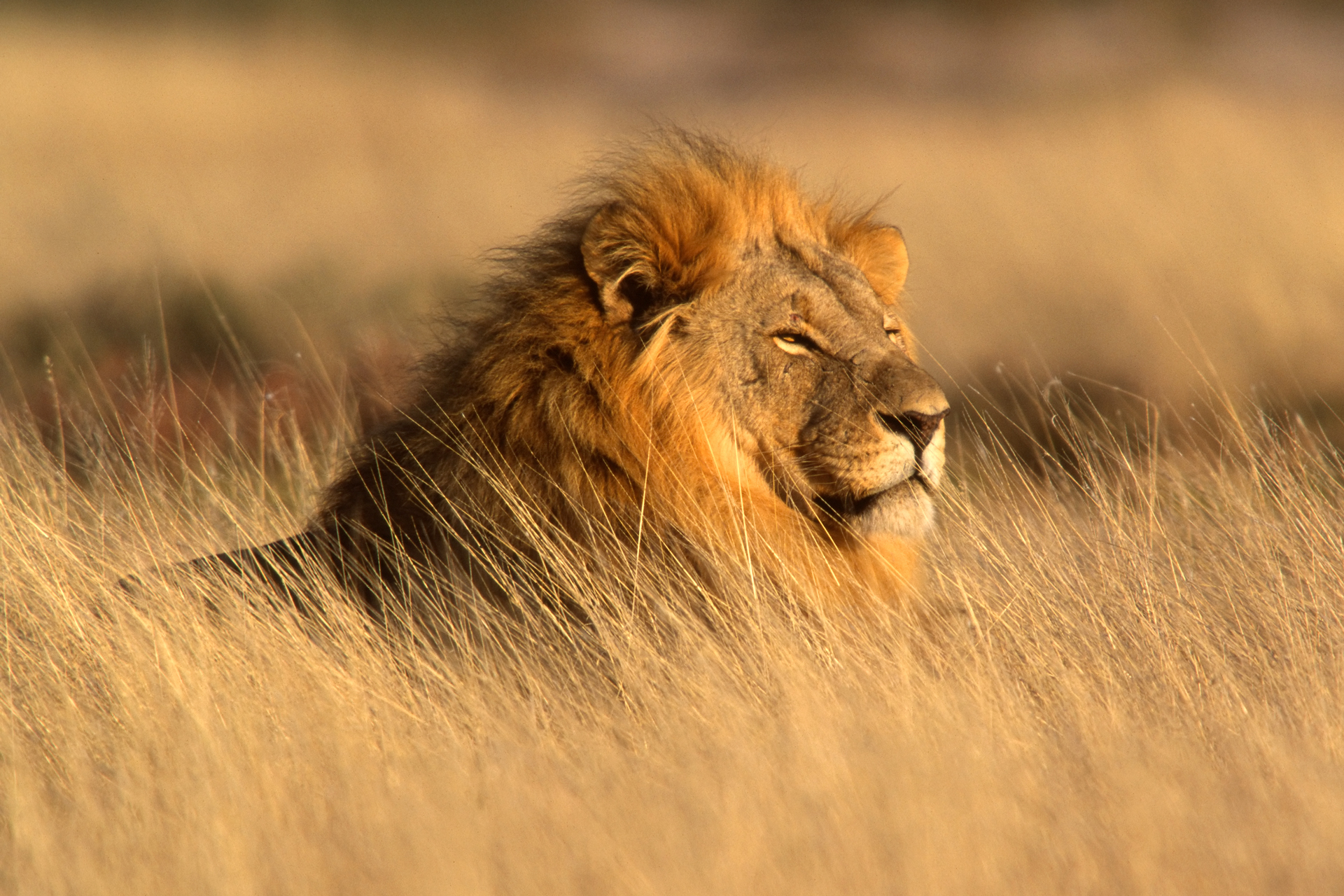
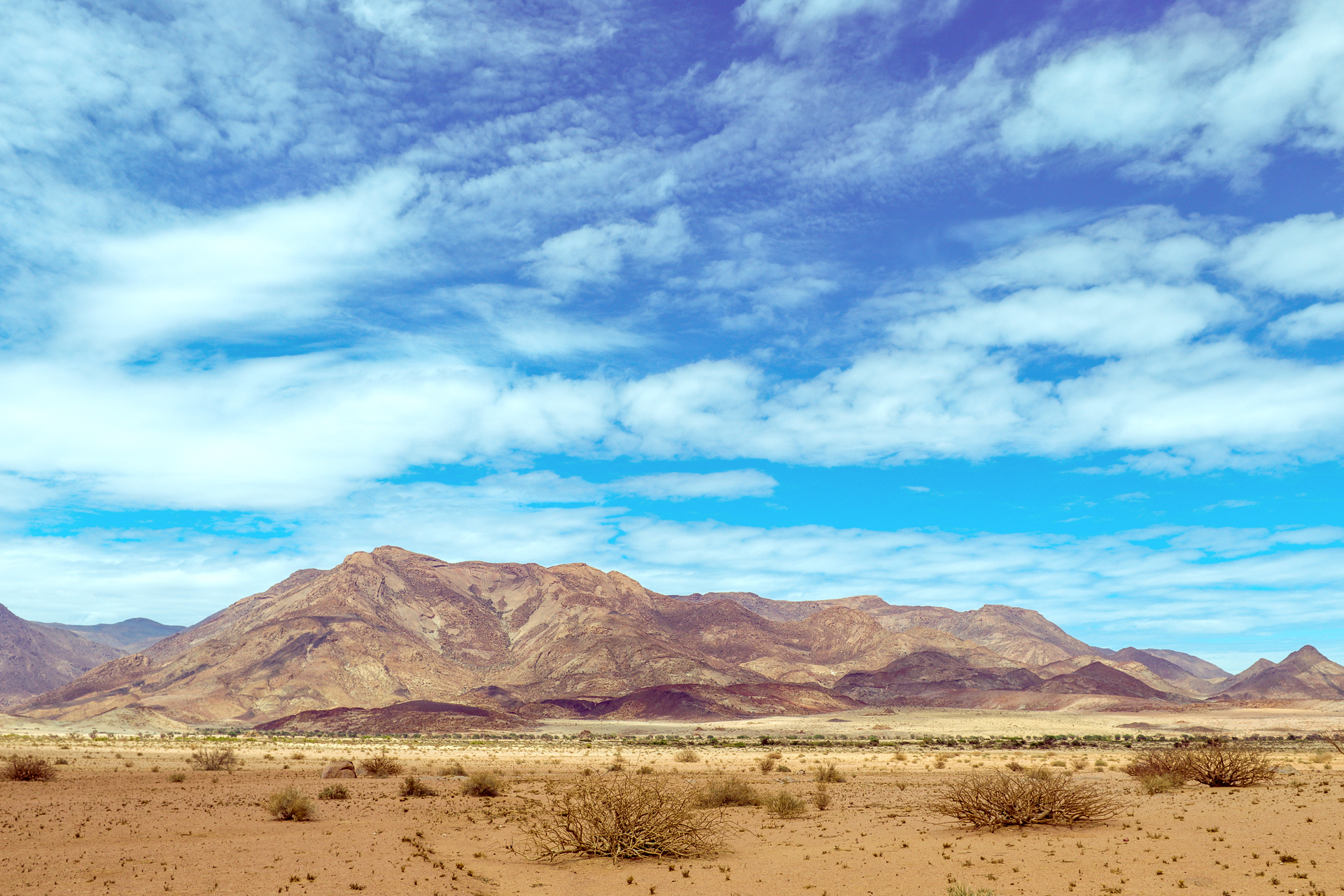
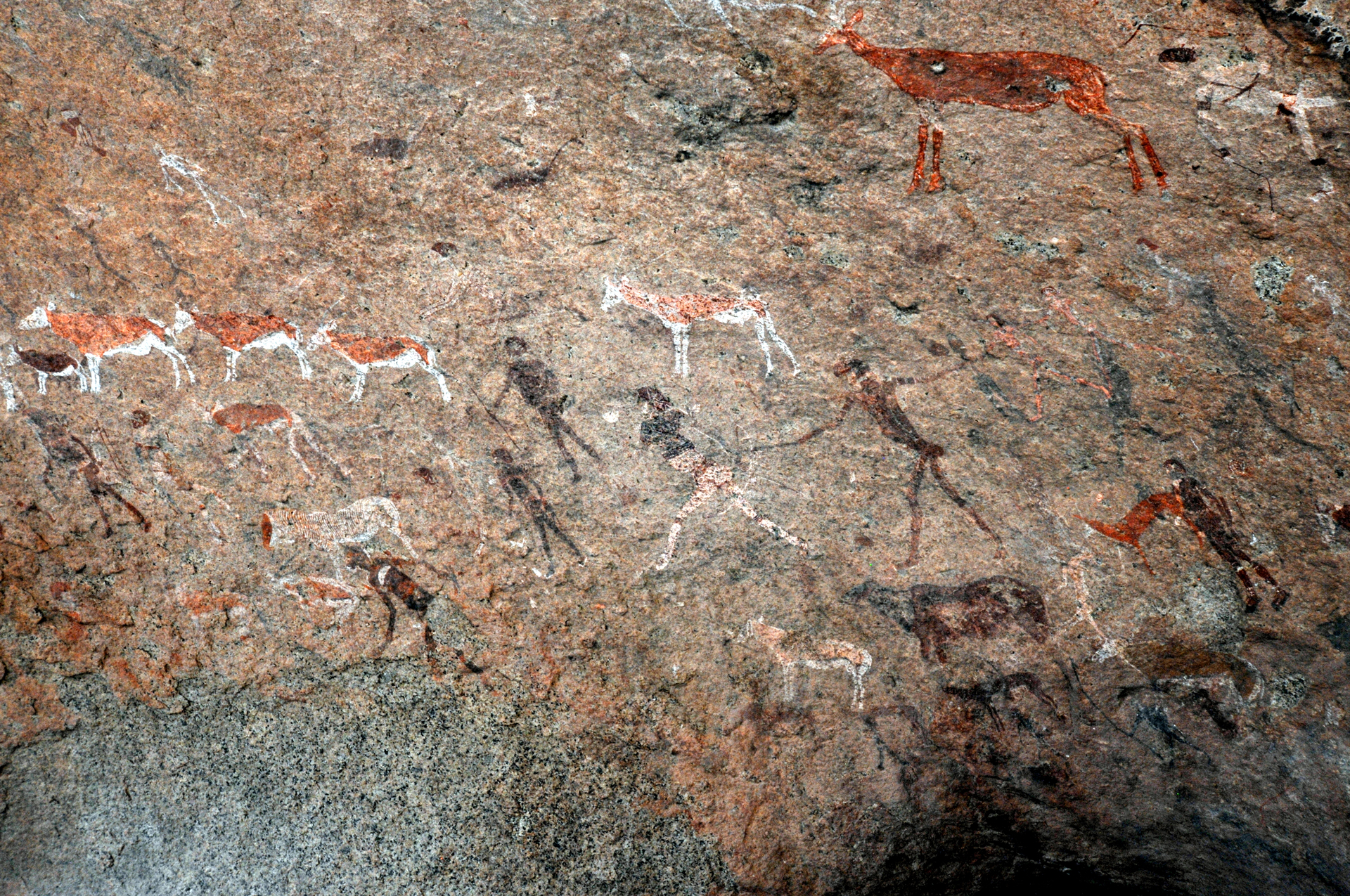
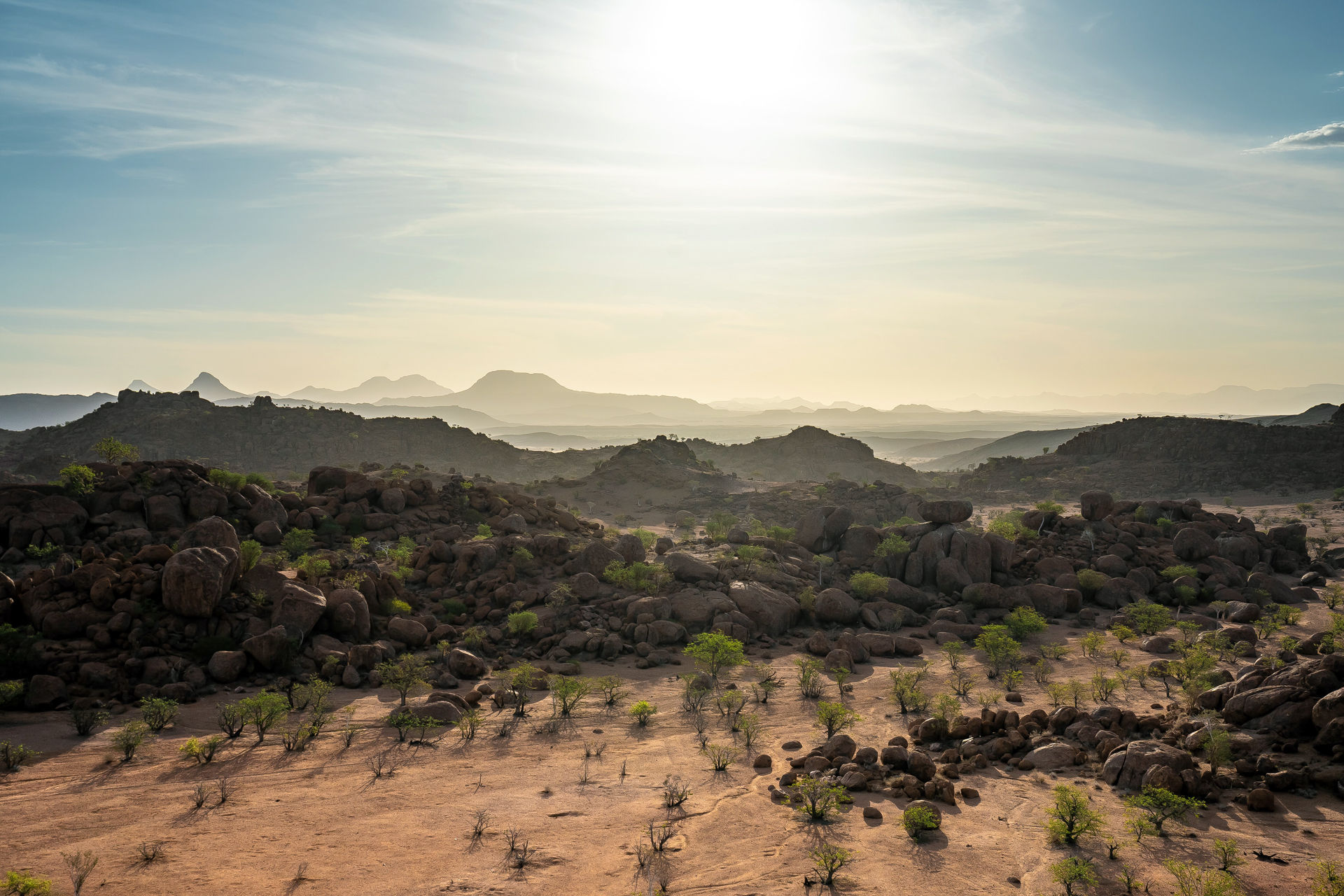
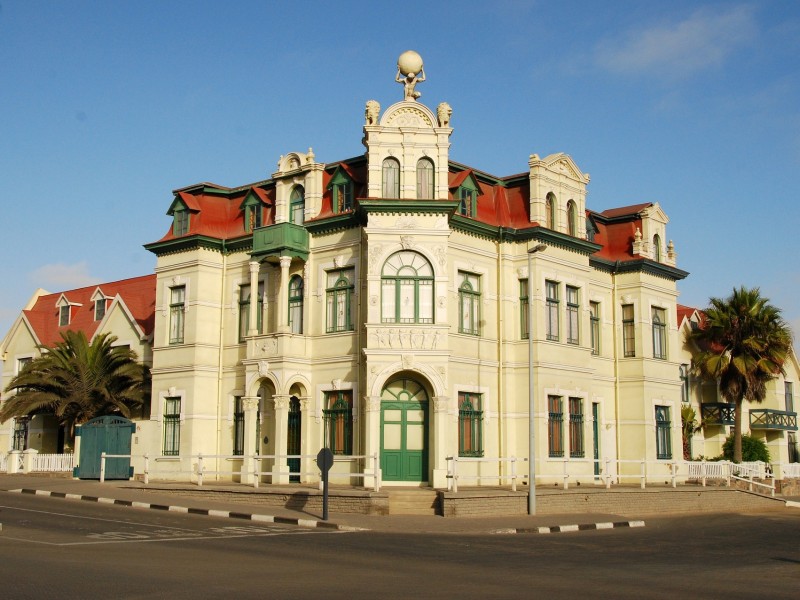
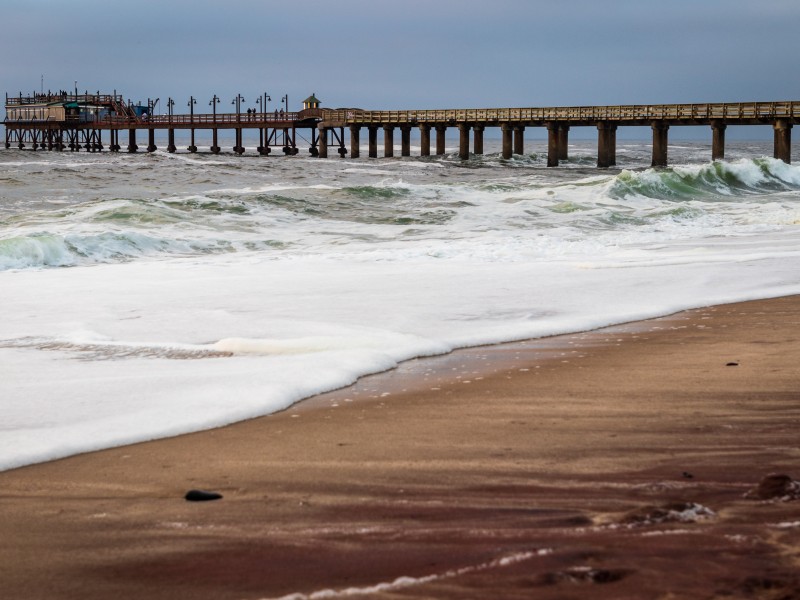
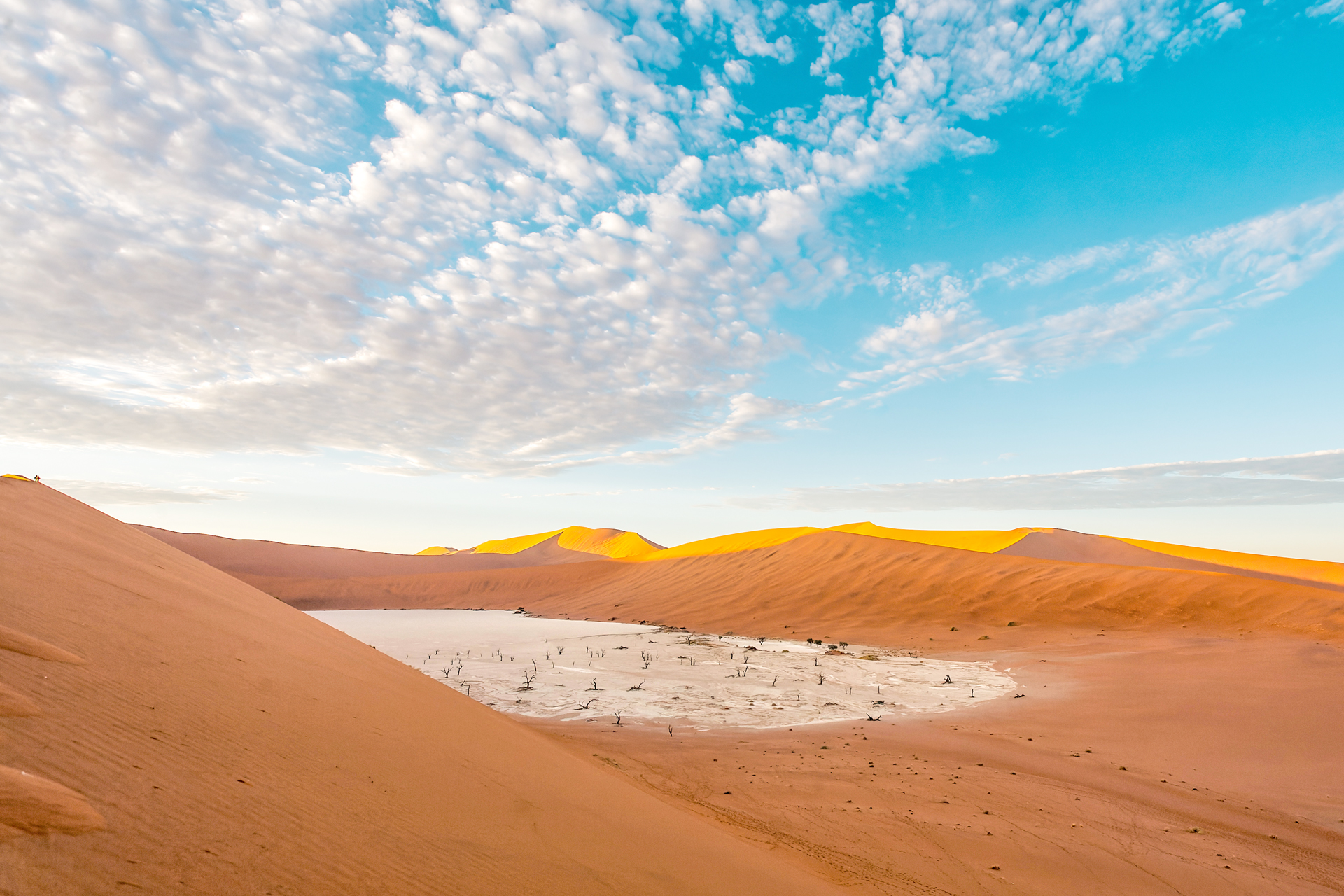
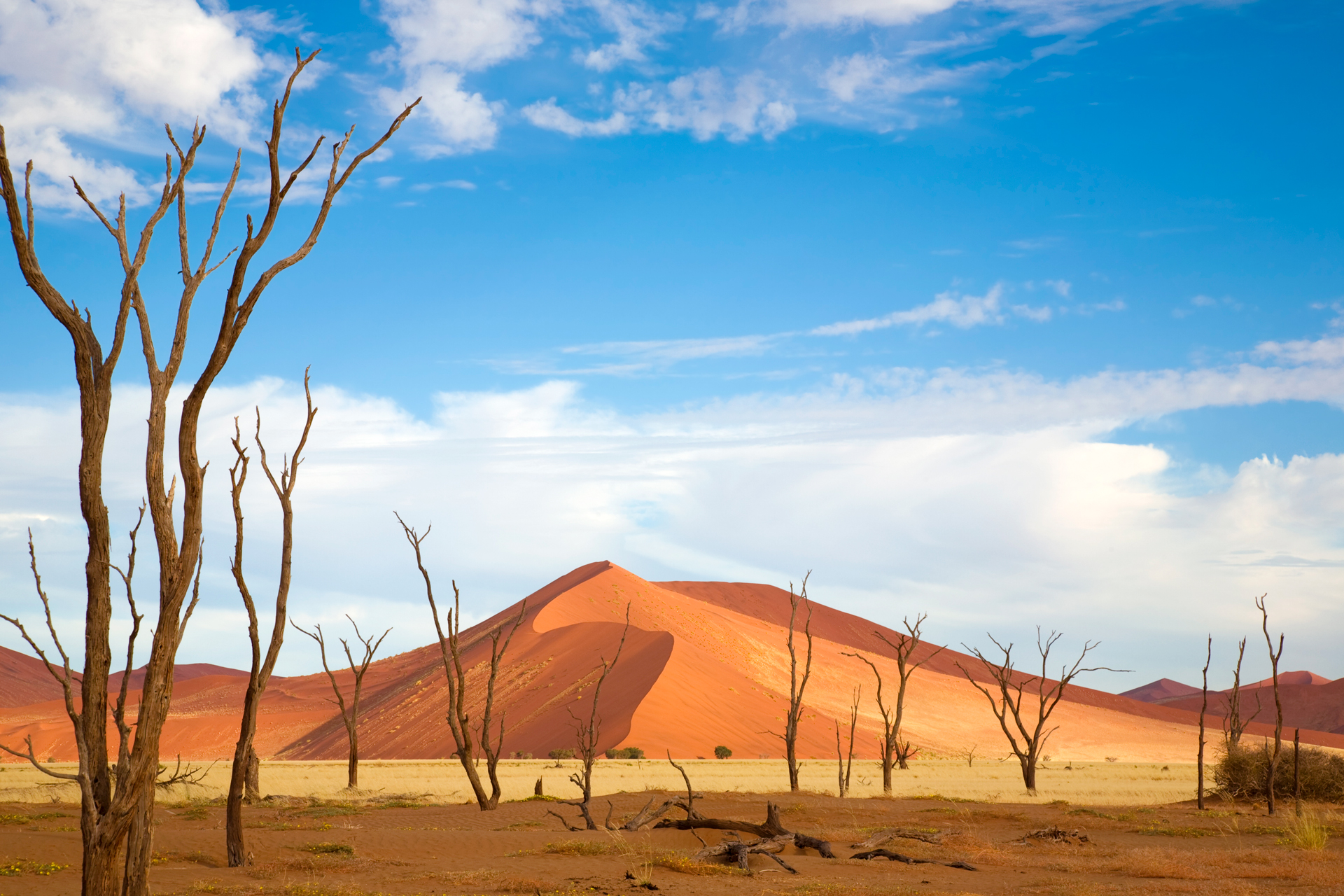
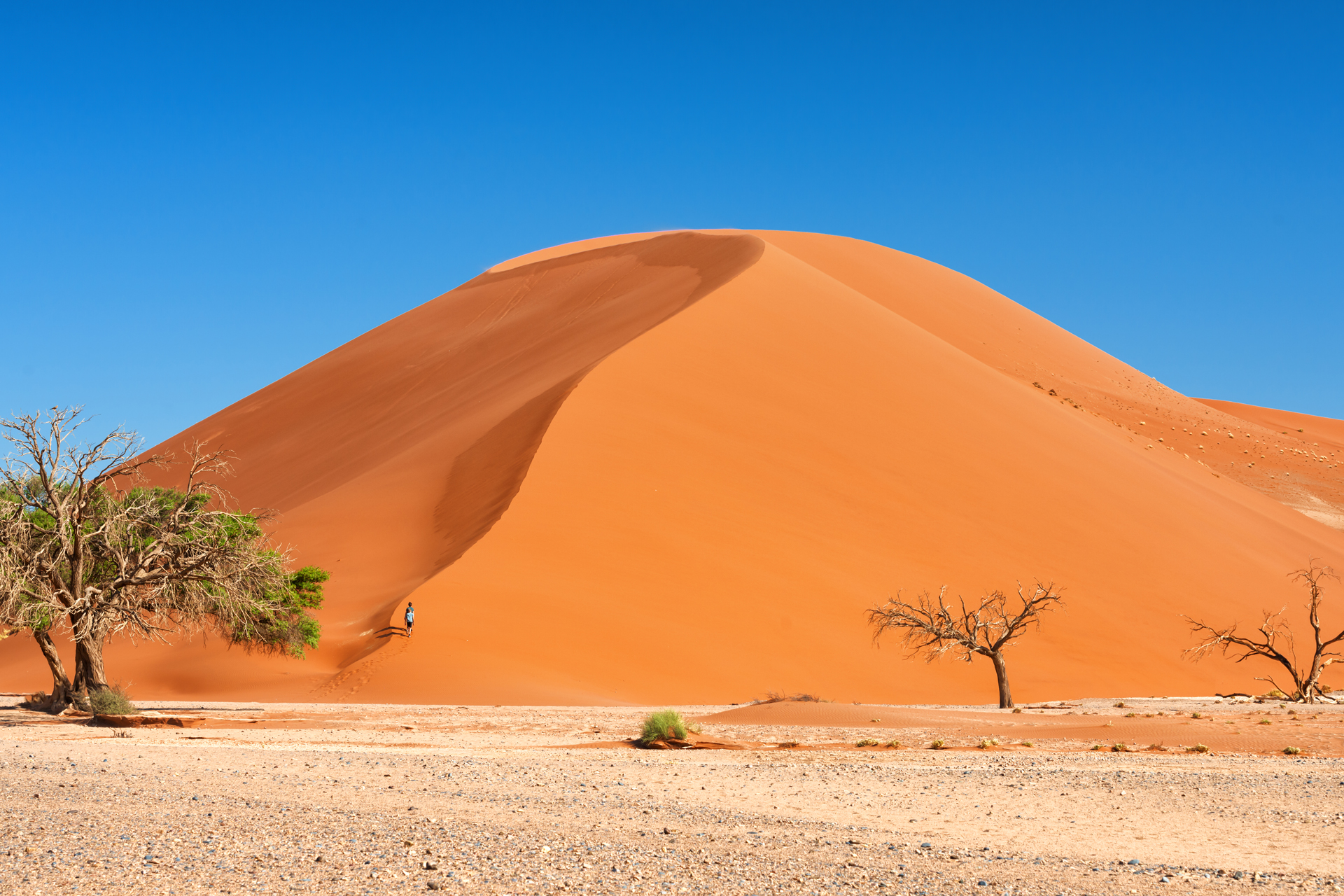
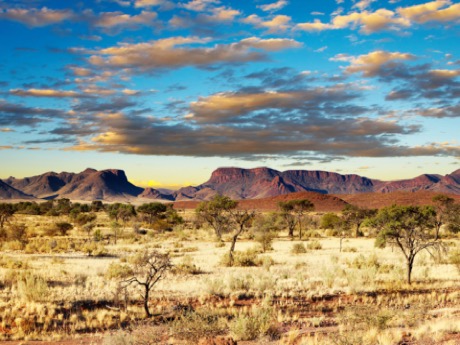
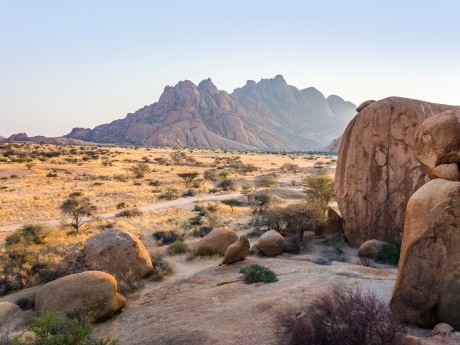
Discover the breathtaking contrasts of Namibia on this unforgettable 4x4 journey. From the capital Windhoek, travel to wildlife-rich Etosha National Park, where impressive animals live against a backdrop of vast salt pans. In rugged Damaraland, ancient landscapes and rich cultures await you. The coastal town of Swakopmund offers a refreshing break before you discover the majestic red sand dunes of Sossusvlei – one of the most photogenic places in the world.

Itinerary

Windhoek (WDH)

Days 1 - 2

Windhoek

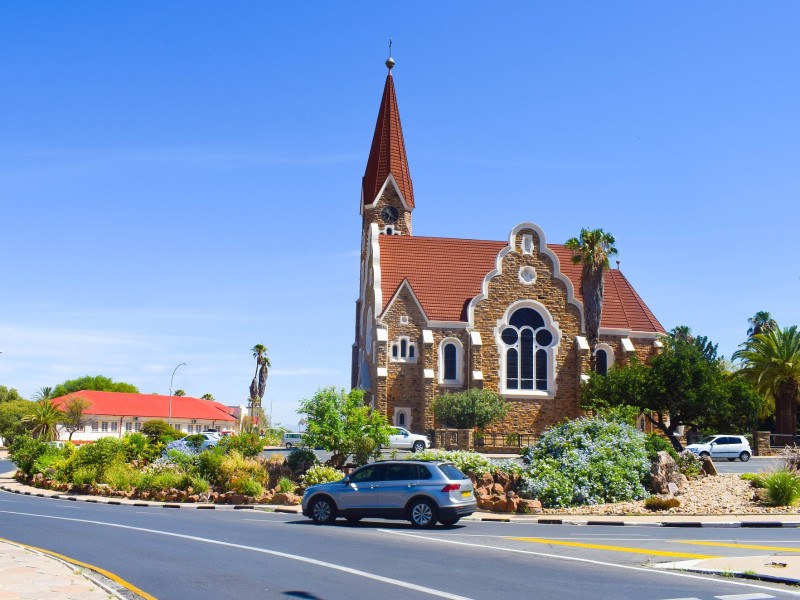
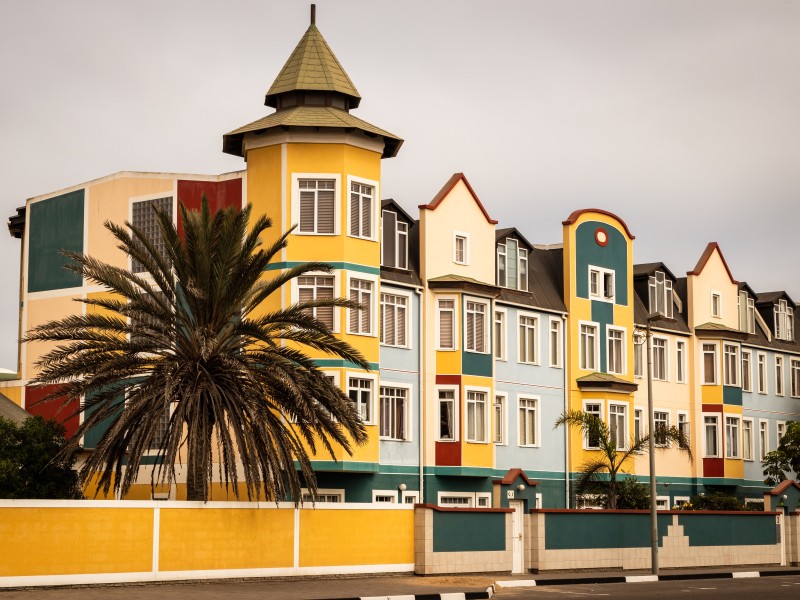
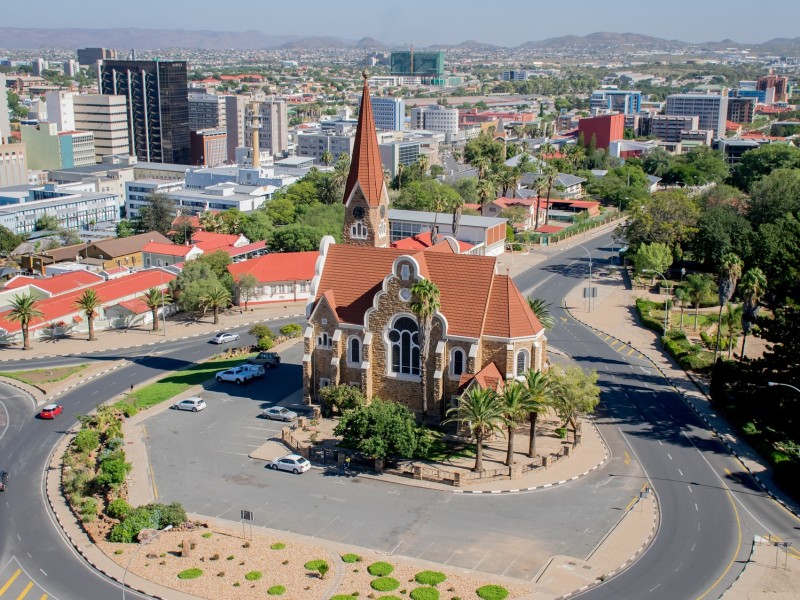
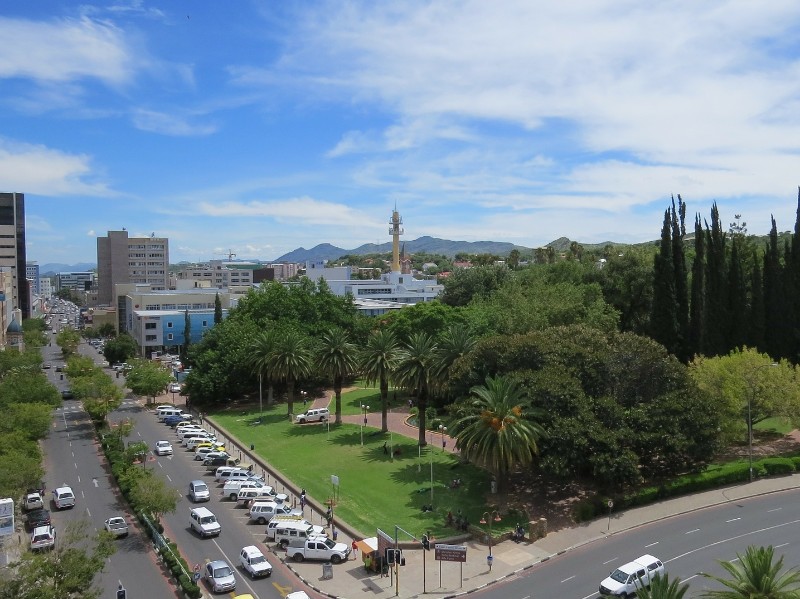
Namibia’s capital is situated almost in the centre of the country at an altitude of 1600m, providing a respite from the heat and acting as a gateway to explore. It’s tree-lined city centre may appear more like a provincial European town, but the contrasting high-rise buildings and urban culture give visitors a taste of a modern and cosmopolitan African city. Windhoek can be easily explored on foot, with main attractions such as the National Gallery and Botanical Gardens located in the downtown area.
4h 19min (433km)

4h 13min (362km)

5h 8min (383km)

5h 8min (403km)

4h 53min (361km)

Windhoek (WDH)

Book your tour

2 Adults
Recommended

Starting from

£1,413.00

Important and useful information

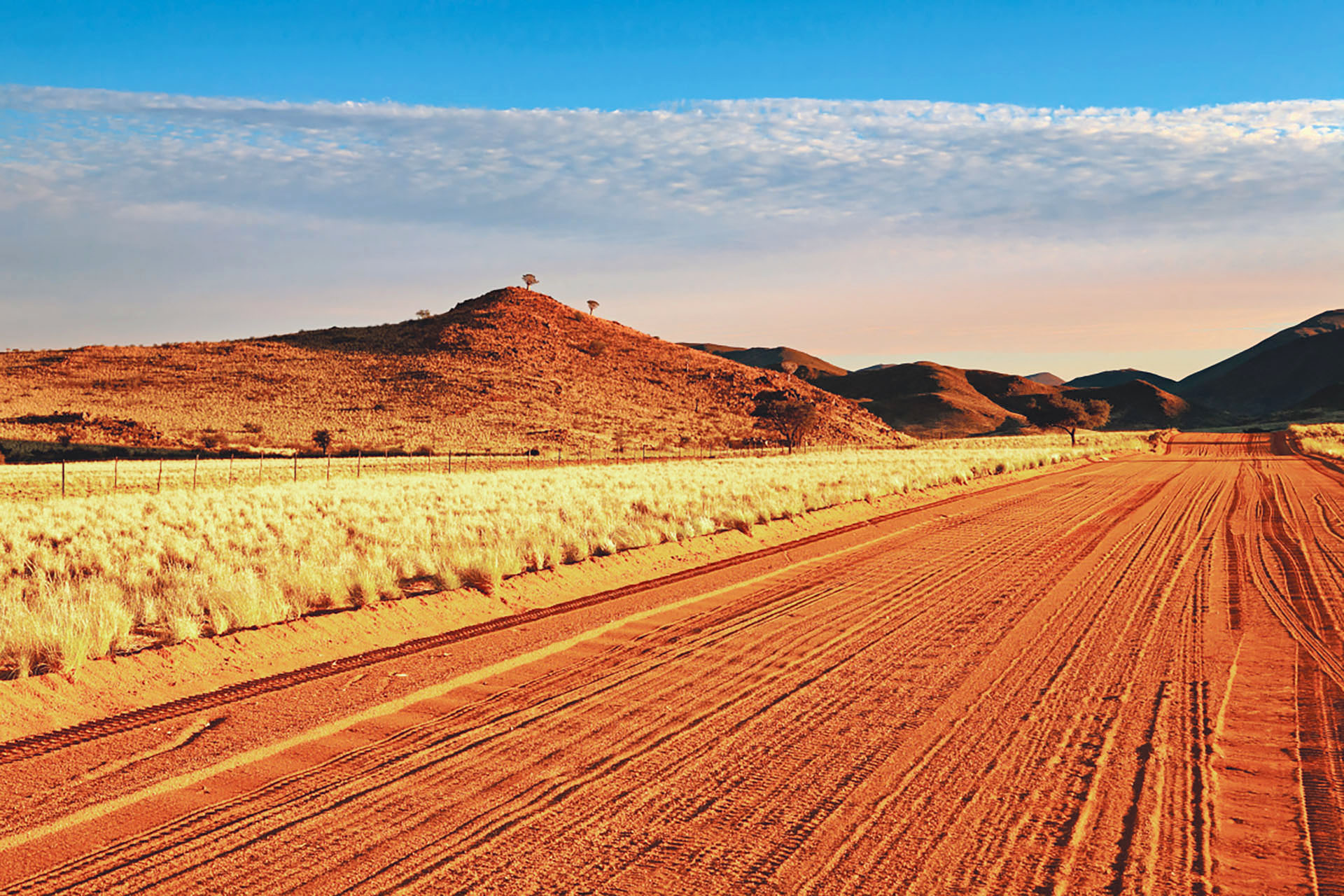
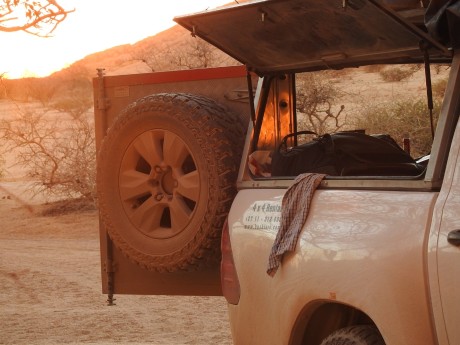
  • For all self-drive tours in Namibia, we strongly recommend booking a sturdy 4x4 SUV, such as a Toyota Fortuner SUV or Toyota Hilux Double Cab. This is essential due to the condition of gravel and off-road tracks throughout the country. Many regions are remote, with limited mobile phone coverage, and flat tires or breakdowns are common with unsuitable vehicles.
  • If the 4x4 option does not appear by default, please check the available vehicle types and select a suitable 4x4 manually during the booking process.
  • When collecting your rental car, ensure it comes equipped with at least one good spare tire and all necessary tools to change a flat. Choosing a robust vehicle with additional spare tires can significantly reduce the risk of delays and ensure a safer, more reliable and enjoyable travel experience.
Additional Information

Namibia offers breathtaking landscapes and unforgettable driving experiences. Following these tips will help ensure a safe and enjoyable journey.

1. Adjust your speed to road conditions

  • On paved main roads (highways), the speed limit is 120 km/h unless otherwise indicated. In towns, the maximum speed is 60 km/h. On unpaved roads, the limit is 80 km/h.

    However, conditions can vary greatly—80 km/h may feel dangerously fast on rough terrain.

    In Namibia, slower is often safer, due to potholes, loose stones, and sudden bumps. 

2. Be mindful of loose sand and gravel

  • Many roads are covered with sand or gravel, which can cause slipping. Always brake gradually and steer gently, sudden movements can lead to loss of control. 

3. Watch out for wildlife and livestock

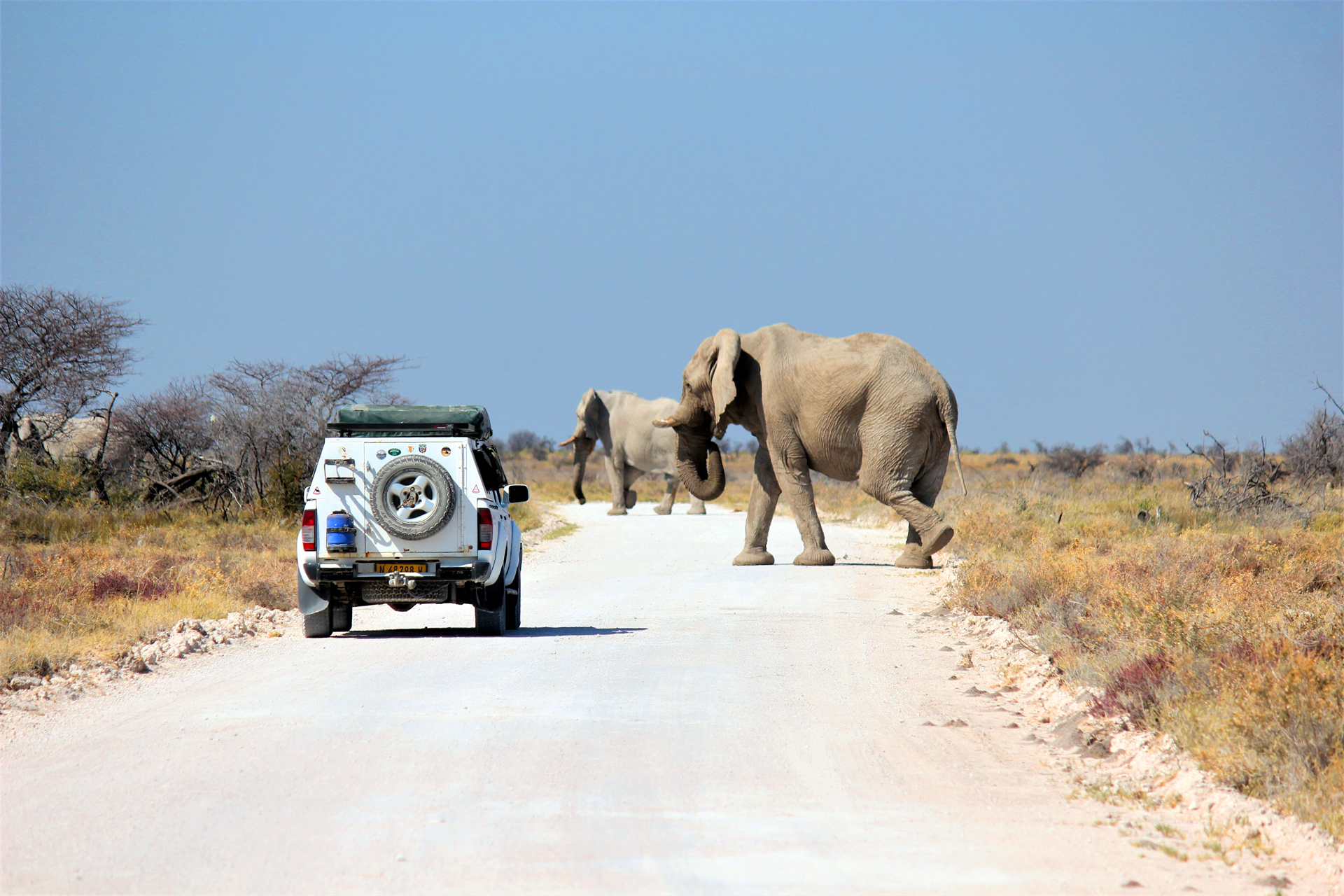
  • Animals often roam freely, especially in rural and natural areas. They may cross the road unexpectedly. Avoid driving at night, when it’s harder to spot them in time. 

4. Never drive blindly in dust clouds

  • When overtaking, dust kicked up by other vehicles can completely obscure your vision. Wait until you have a clear view before passing and remain alert. 

5. Be prepared for long distances without amenities

  • Gas stations can be few and far between. Refuel whenever possible, and carry extra water, snacks, and a first-aid kit. 

6. Use a 4WD on rough roads

  • If you’re visiting remote areas, a 4WD vehicle is essential. It provides better traction and helps navigate sandy or rocky terrain safely. 

7. Check the condition of your tires

  • Ensure your tires are in good condition and check the pressure regularly. Flat tires are common on gravel roads, so always have a spare and the tools needed to change it.


1. Get a local SIM card

  • A local SIM is helpful for staying connected and using navigation apps. MTC is Namibia’s largest provider, and prepaid SIMs can be purchased at the airport or in major towns. 

2. Carry enough drinking water

  • Namibia’s dry, vast regions may not offer services for hours. Carry at least 5 litres of water per person per day. 

3. Have a physical map and offline navigation

  • GPS may not be reliable in remote areas. Carry a printed road map and download offline maps using apps like Maps.me or Google Maps. 

4. Carry cash

  • While credit cards are accepted in cities, smaller towns and parks may prefer cash. Bring Namibian dollars or South African rands. 

5. Check weather conditions

  • Roads may become impassable during the rainy season (November to March). Always check the forecast and local road conditions before traveling. 

6. Respect nature and culture

  • Namibia has a stunning yet fragile environment and a rich cultural heritage. Help preserve it: follow park regulations, avoid littering, and respect local communities.

  • Namib-Naukluft National Park is open from sunrise to sunset. The best times to visit are early morning or late afternoon.
  • The distance from Sesriem to Sossusvlei is 65 km. The final 4 km stretch is only accessible by 4×4 vehicles. If you don’t have a 4×4, a shuttle service is available. The transfer from the parking area to Sossusvlei costs approximately €11 per person (about 180 NAD round-trip, depending on the exchange rate).

Note: even with a 4x4, you may get stuck in the deep, soft sand. Not confident? Then take the shuttle service.
You might also like

Need help?

Our dedicated TUI tours team is available Monday to Saturday from 10:00 AM to 6:00 PM to assist you with any kind of issue you might have. Phone: 02038303212 | Email: tours.uk@tui.com