Individual Tour
Landscapes & Sceneries, Culture & History, City Life
Starting at
£254.00per traveler


Discover the captivating heart of Poland on a journey through its most enchanting cities. Begin in Warsaw, where colorful Old Town façades conceal powerful stories of resilience and renewal. Continue north to the historic port city of Gdańsk, renowned for its distinctive Baltic architecture, before exploring medieval Toruń, the birthplace of Copernicus and home to centuries‑old gingerbread traditions. Experience the lively market squares of Poznań and the island‑studded river scenery of Wrocław, before arriving in magnificent Kraków. Here, Europe’s largest medieval market square comes alive beneath soaring Gothic spires. A perfect introduction to Poland’s rich cultural tapestry.
Days 1 - 3
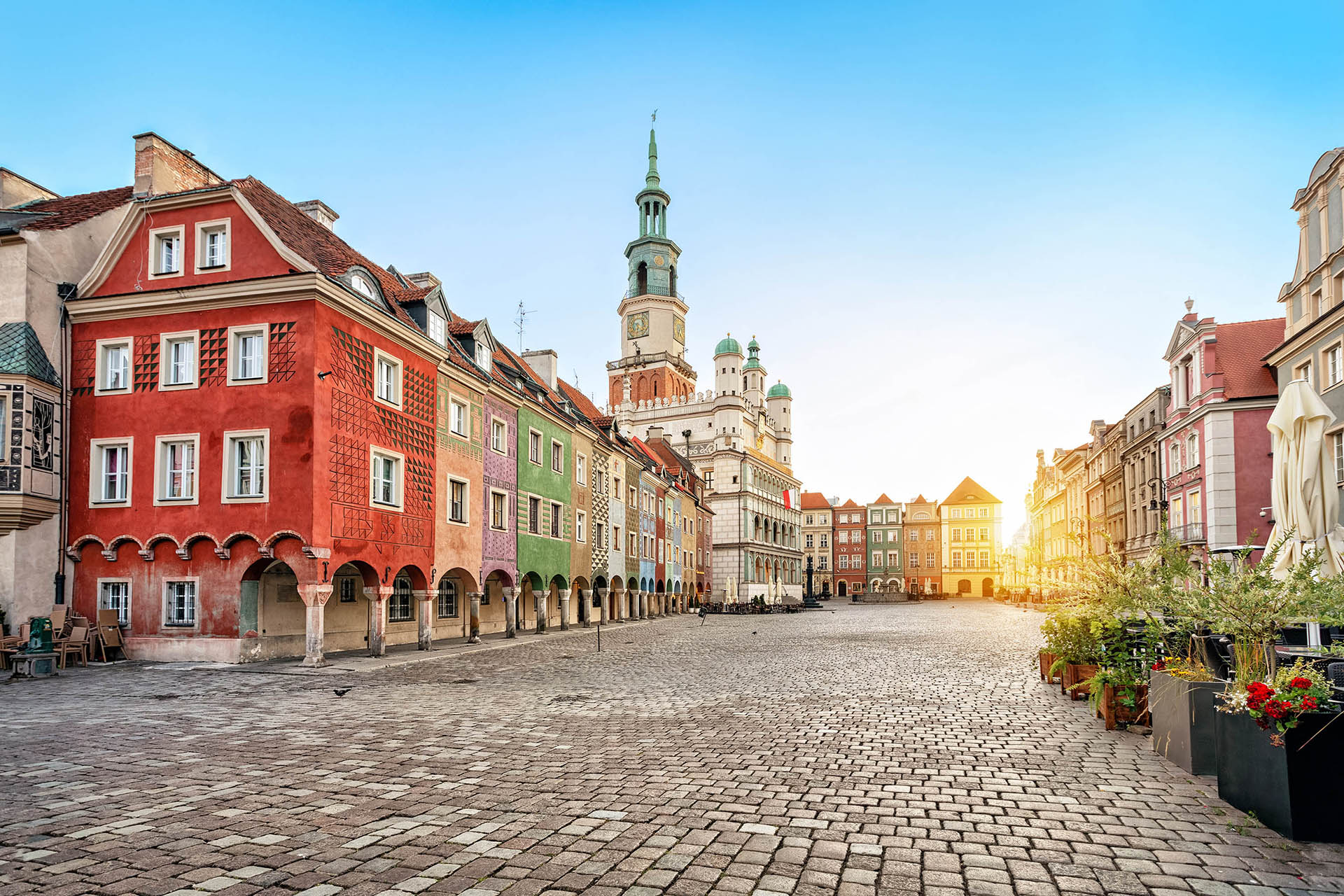
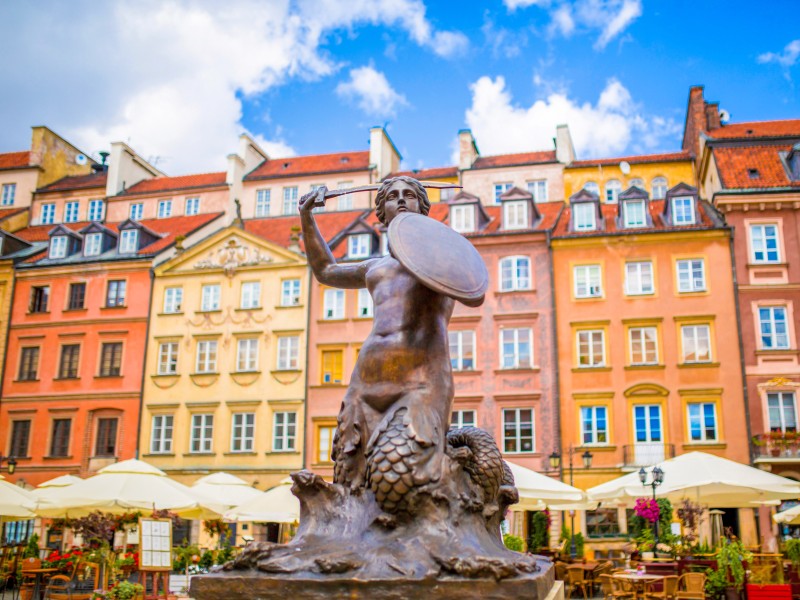
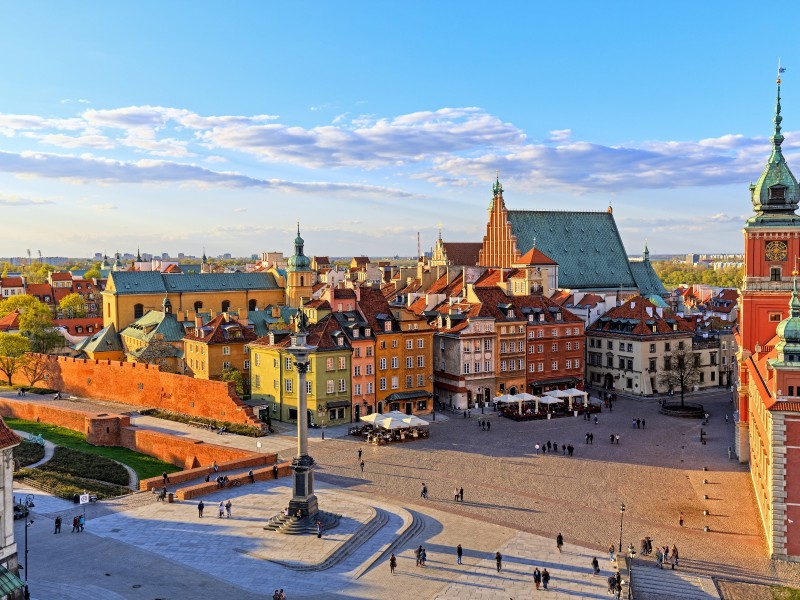
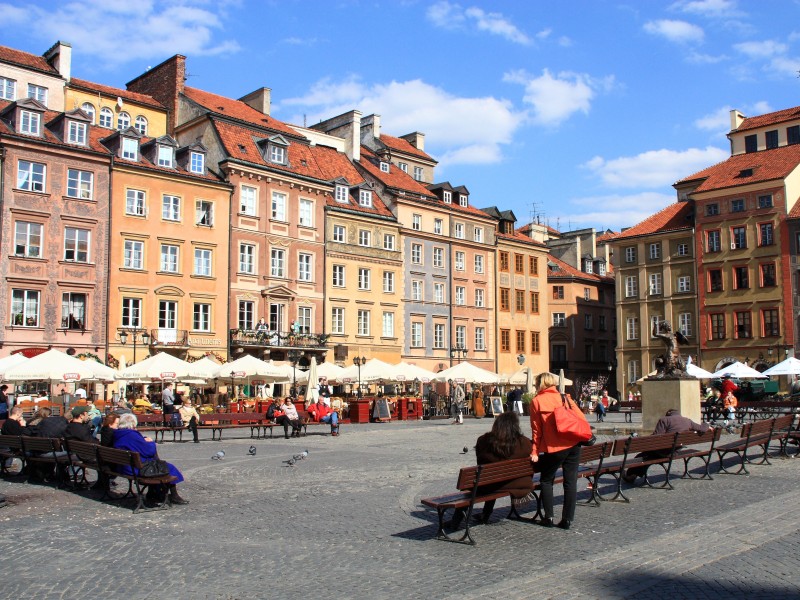
Stroll through the colorful Old Town, completely rebuilt after World War II and now a UNESCO World Heritage site. The careful reconstruction shows the incredible resilience of the Polish people. At Castle Square, you'll feel history come alive, while in the trendy Praga district, you'll experience the city's creative future. Here you'll find street art, cozy cafés, and art galleries in former factories.
3h 39min (344km)
Days 3 - 5
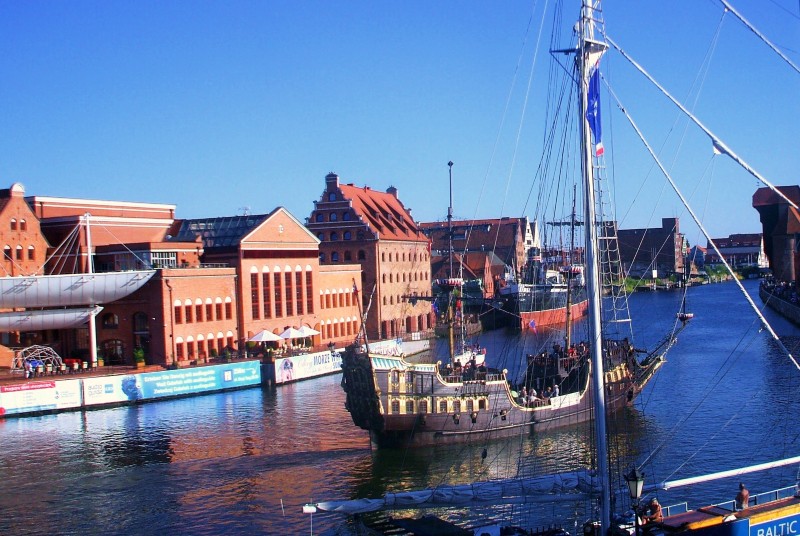
Gdańsk (also known by its German name Danzig) is a city in Poland on the Baltic Sea. It is the capital of Pomerania. Gdańsk with nearby Sopot and Gdynia are often referred as Tricity (pl: ). Gdańsk is considered one of the most beautiful cities on the Baltic Sea and has magnificent architecture.


Gdańsk (also known by its German name Danzig) is a city in Poland on the Baltic Sea. It is the capital of Pomerania. Gdańsk with nearby Sopot and Gdynia are often referred as Tricity (pl: ). Gdańsk is considered one of the most beautiful cities on the Baltic Sea and has magnificent architecture.


1h 57min (169km)
Day 5
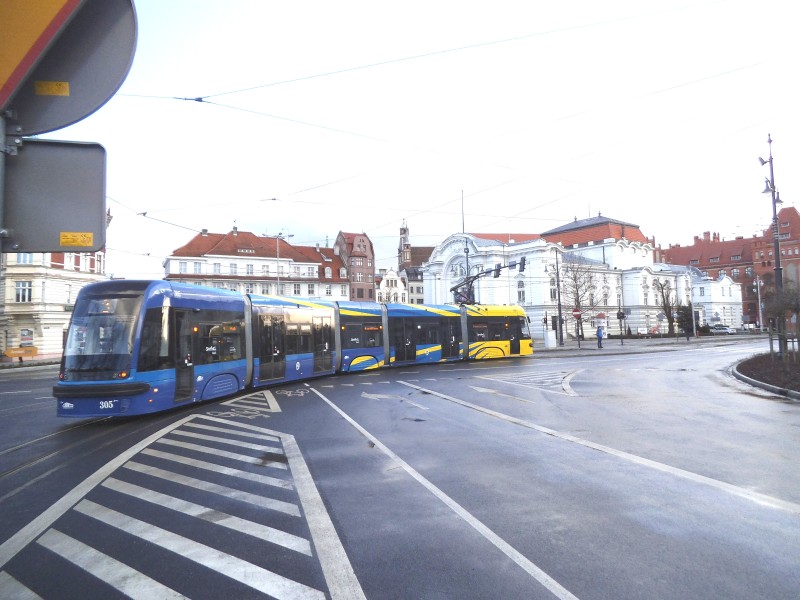
Toruń (Kashubian: , German: ) is a beautiful, medieval city in North-Western Poland, situated on the Vistula River. Its architecture was not hit by bombs during World War II, and as such represents one of the few examples of true Gothic architecture in Poland. It is still reasonably off the radars of most European travelers, so one can expect to have an amazing Polish experience here without the nightmares of a million and one Interrail travelers.
It has been one of the capitals of the Kuyavian-Pomeranian Voivodeship since 1999, and was the capital of the Toruń Voivodeship from 1975 to 1998 and of the Pomeranian Voivodeship from 1921 to 1939. The city is located near the Geographic Center of Europe.
Toruń's medieval Old Town or is on the UNESCO World Heritage List. Toruń is the birthplace of the world famous astronomer Nicolaus Copernicus. The house where Copernicus was born and the chapel where he was christened are still standing in the city. From Middle Ages the town is known for its gingerbreads.
As of the last census in 2004, Toruń has 208,386 inhabitants.


Toruń (Kashubian: , German: ) is a beautiful, medieval city in North-Western Poland, situated on the Vistula River. Its architecture was not hit by bombs during World War II, and as such represents one of the few examples of true Gothic architecture in Poland. It is still reasonably off the radars of most European travelers, so one can expect to have an amazing Polish experience here without the nightmares of a million and one Interrail travelers.
It has been one of the capitals of the Kuyavian-Pomeranian Voivodeship since 1999, and was the capital of the Toruń Voivodeship from 1975 to 1998 and of the Pomeranian Voivodeship from 1921 to 1939. The city is located near the Geographic Center of Europe.
Toruń's medieval Old Town or is on the UNESCO World Heritage List. Toruń is the birthplace of the world famous astronomer Nicolaus Copernicus. The house where Copernicus was born and the chapel where he was christened are still standing in the city. From Middle Ages the town is known for its gingerbreads.
As of the last census in 2004, Toruń has 208,386 inhabitants.


2h 14min (186km)
Days 5 - 6
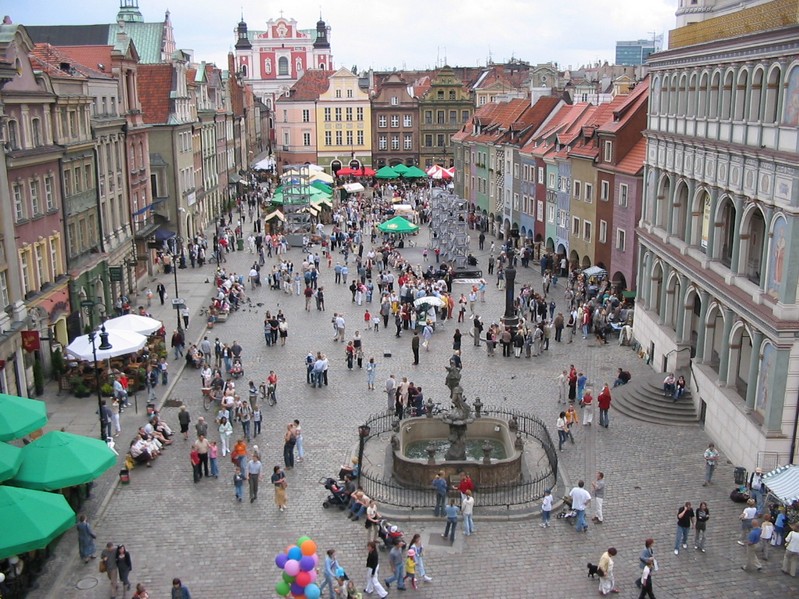
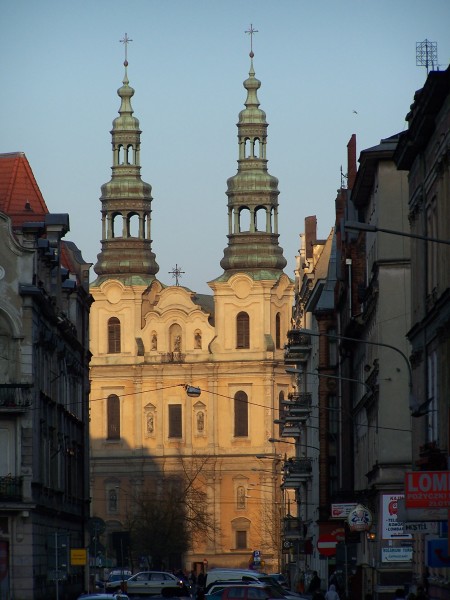
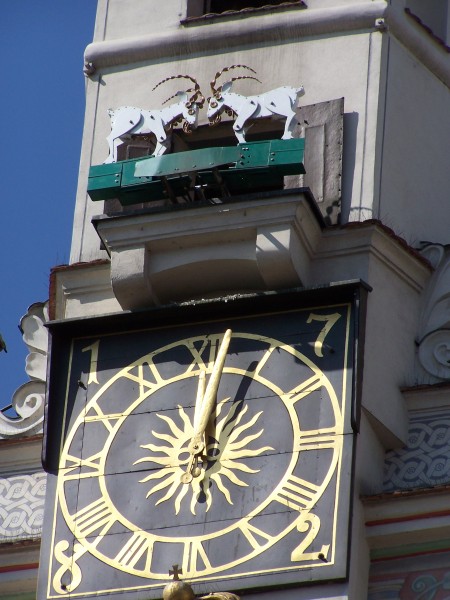
Poznań (German: ) is the largest city in Greater Poland, in the west of Poland, and one of the largest metropoles in the whole country. Situated roughly equidistantly between Warsaw and Berlin, it serves as a major economic hub, and a centre for industry and commerce. The Poznań International Trade Fair grounds host the most important trade fairs and exhibitions in Poland, making Poznań an important business destination, but the city has plenty of history and attractions to share besides that. Its relative compactness and easy access by road, rail and air make it a convenient tourist destination for visitors to Central Europe.


Poznań (German: ) is the largest city in Greater Poland, in the west of Poland, and one of the largest metropoles in the whole country. Situated roughly equidistantly between Warsaw and Berlin, it serves as a major economic hub, and a centre for industry and commerce. The Poznań International Trade Fair grounds host the most important trade fairs and exhibitions in Poland, making Poznań an important business destination, but the city has plenty of history and attractions to share besides that. Its relative compactness and easy access by road, rail and air make it a convenient tourist destination for visitors to Central Europe.


2h 8min (202km)
Days 6 - 8
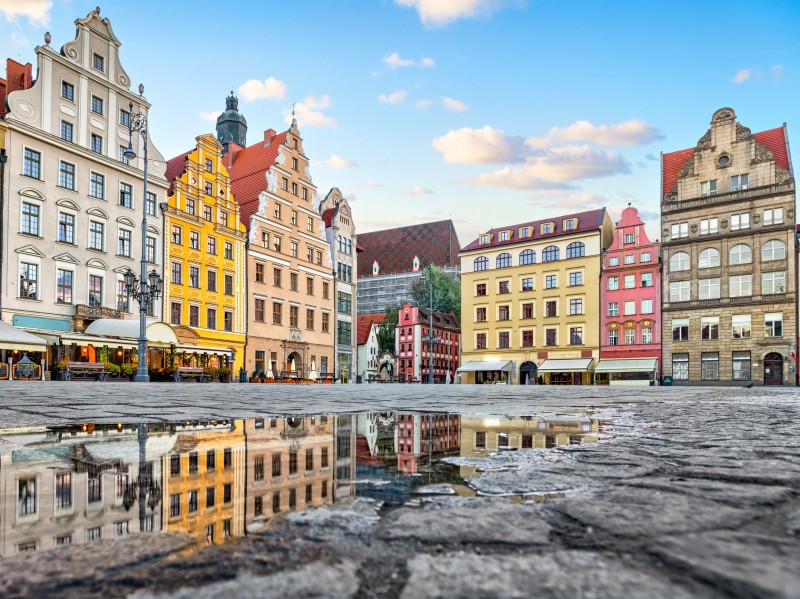
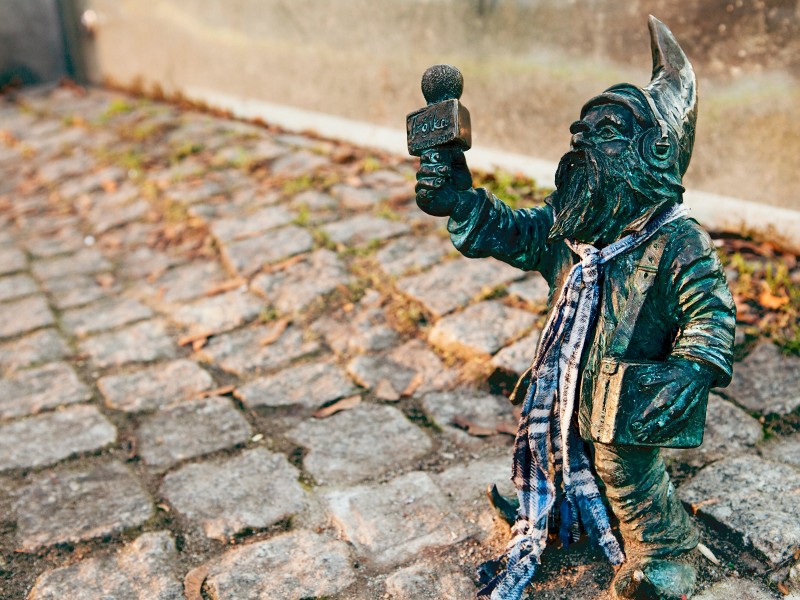
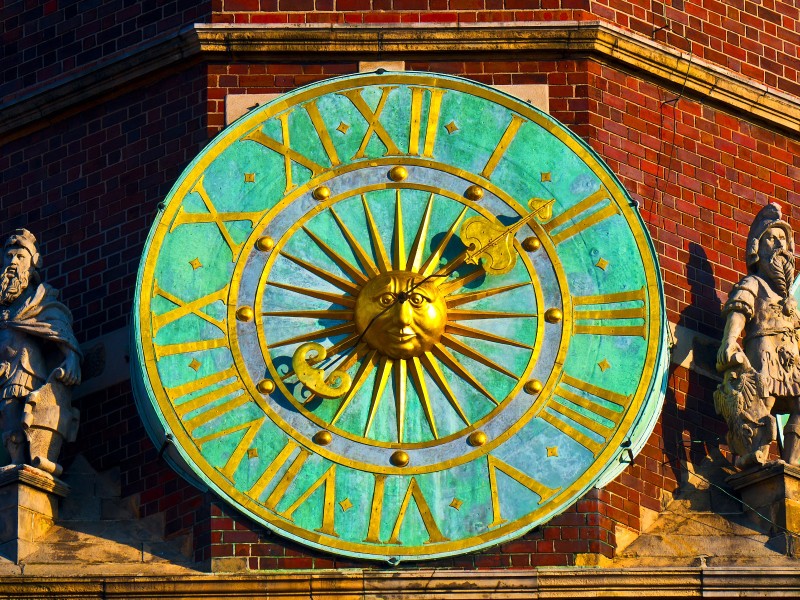
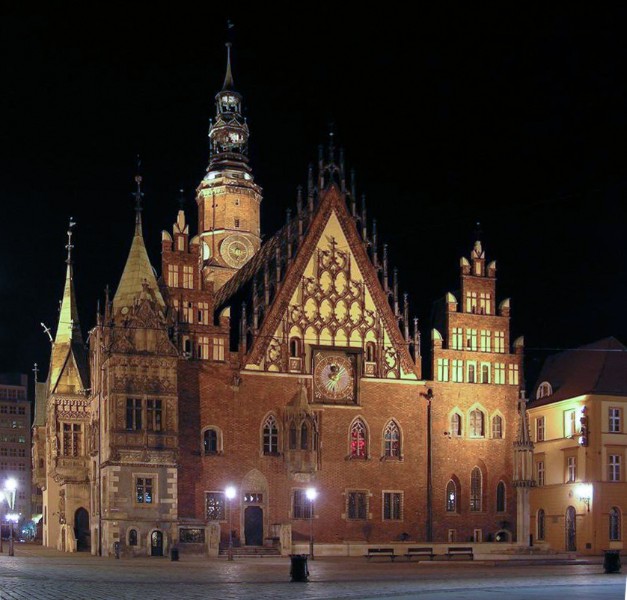
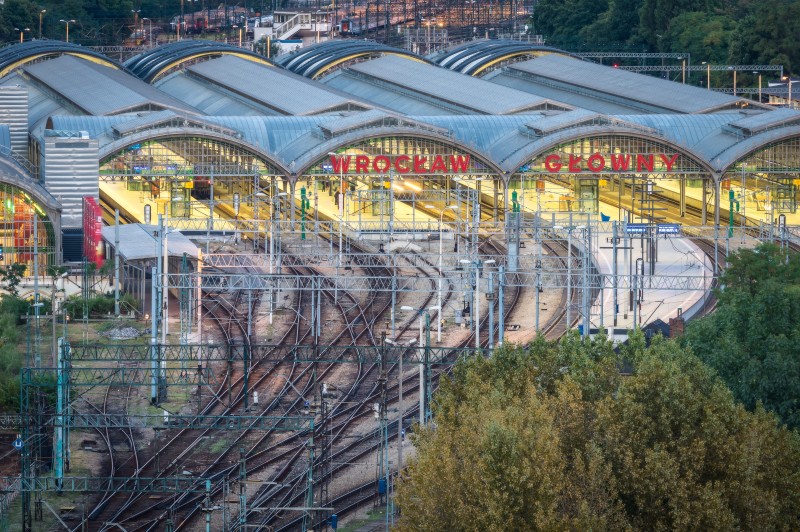
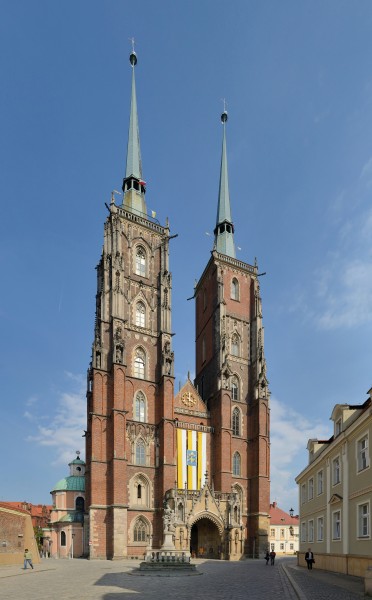
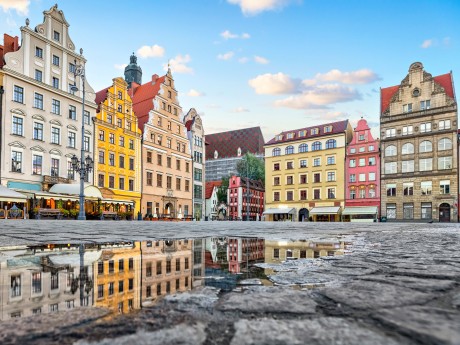
Known for its countless bridges, islands, and colorful buildings, Wrocław is often called the “Venice of Poland.” With its rich and multicultural history, it is a vibrant cultural hub full of character. The historic Market Square (Rynek), with its Gothic town hall, is a lively place filled with cafés and street performers. Scattered throughout the city are small bronze dwarf statues, a playful tribute to the anti-communist movement of the 1980s.


Wrocław (pronounced ; also known as Breslau, its German name, and English name until 1945) is the largest city in Lower Silesia in Poland. It is home to 630,000 people within the city limits and the metropolitan area has a population of 1.2 million making it the largest city in Western Poland.
Wrocław is the historic capital of Silesia and it has changed hands repeatedly over the centuries. At different points throughout history, Wrocław has been in the Kingdom of Poland, Bohemia, the Austrian Empire, Prussia and Germany. In 1945 the city became a part of Poland again as the borders of Poland were moved westwards in the immediate aftermath of World War II. The city came to international fame as it hosted a number of football matches during the Euro 2012 Championships and was one of the 2016 European Capitals of Culture. The World Games took place in Wrocław in 2017.


2h 51min (266km)
Days 8 - 10
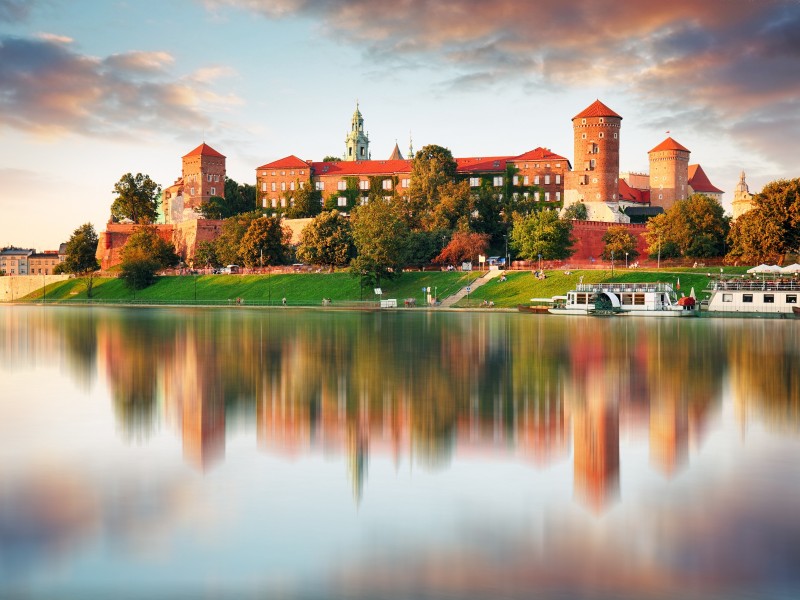
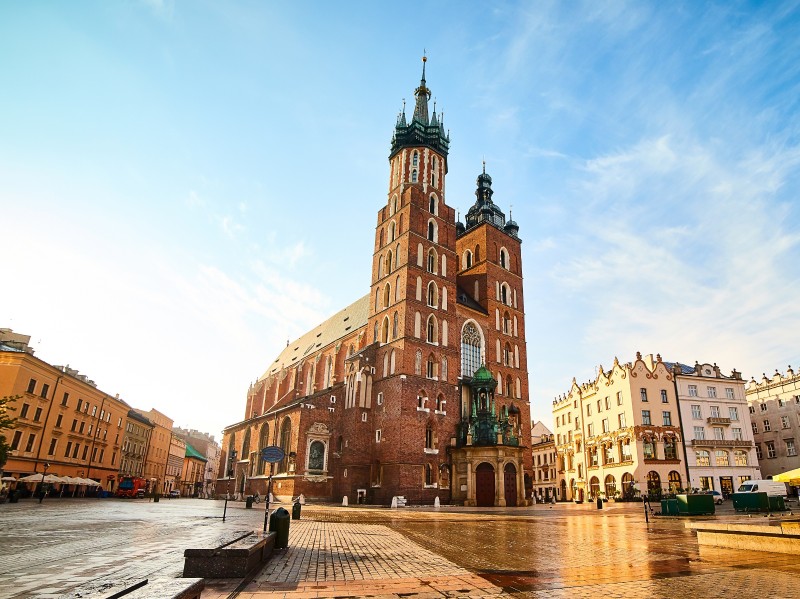
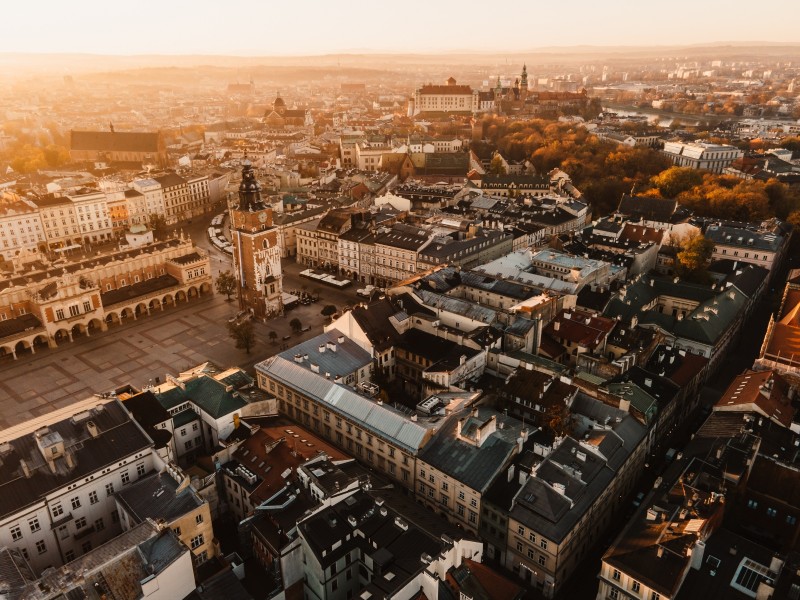
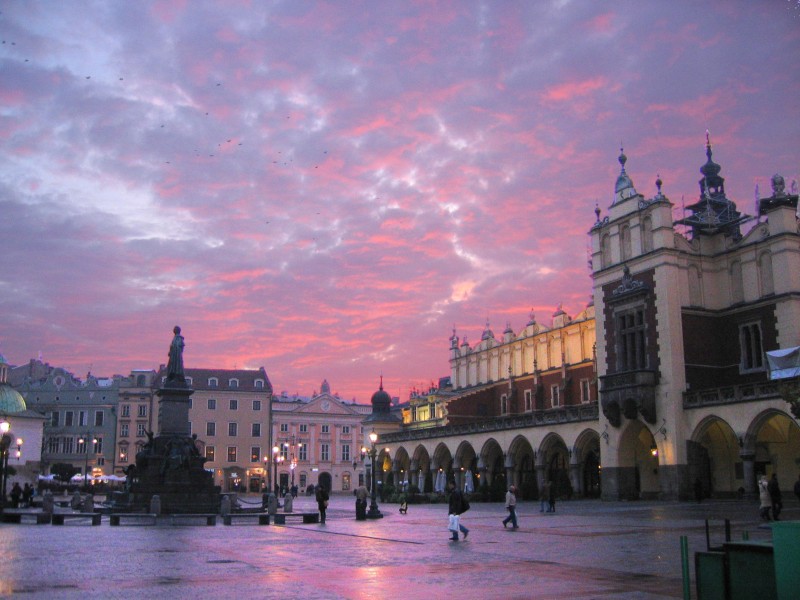
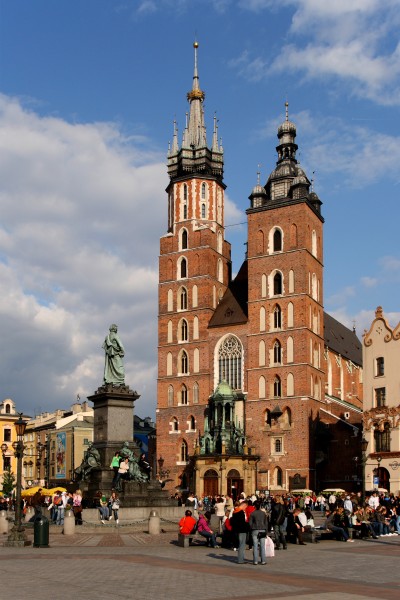
Stroll across the enormous medieval market square, one of the largest in Europe, where the majestic St. Mary's Basilica and the historic Cloth Hall form the backdrop for street musicians and cozy terraces. Every stone in the old town, a UNESCO World Heritage site, tells a story. Get lost in the narrow streets of the Jewish quarter Kazimierz, where authentic cafés, vintage shops, and street art surprise you.


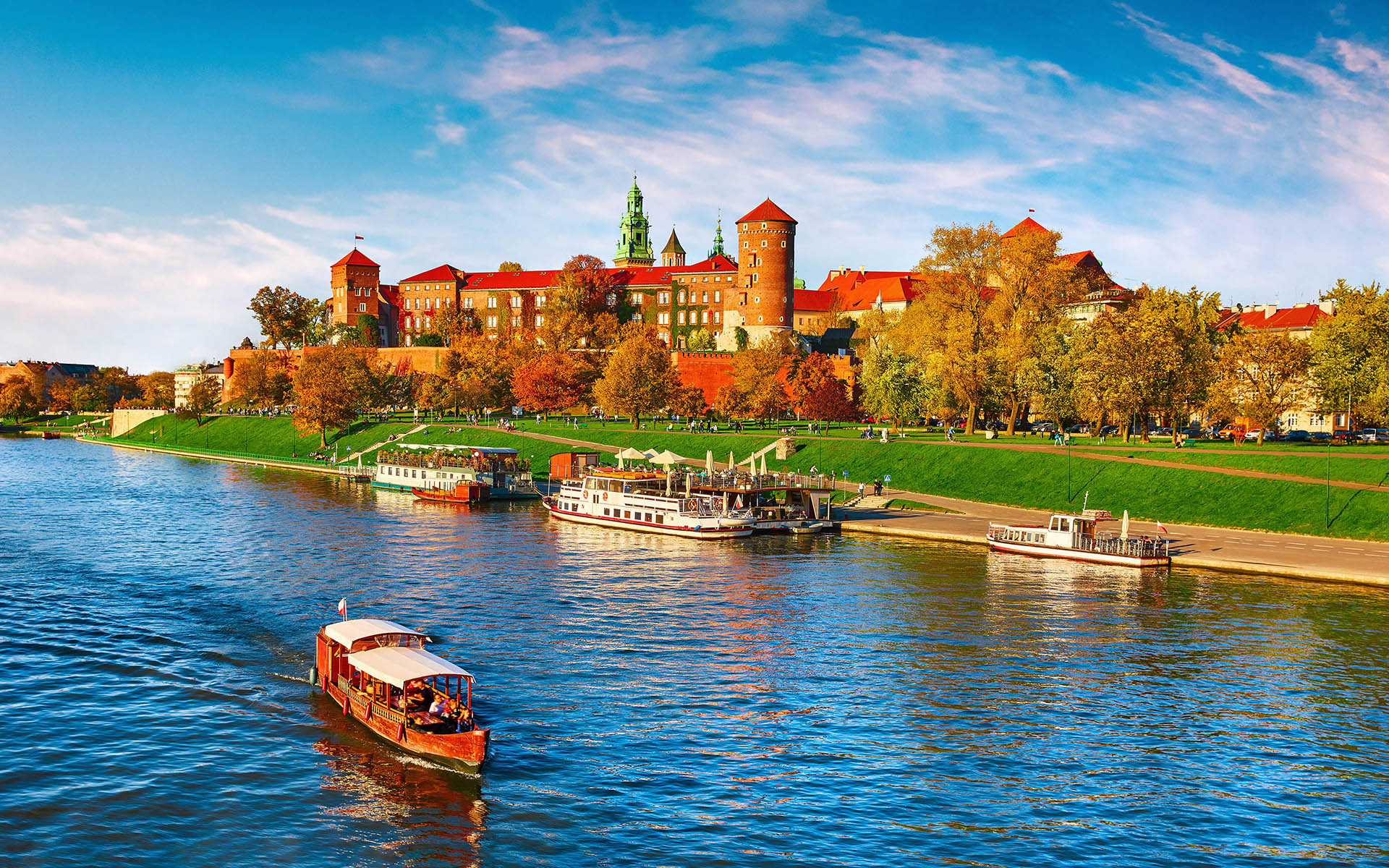
The city of Kraków (also known as Cracow) is in the Lesser Poland region in the southern region of Poland. It is the capital city of the Lesser Poland Voivodeship. It covers both banks of the Wisła (or Vistula) river. Uplands region at the foot of the Carpathian Mountains. It is Poland's second largest city, with a population of 760 000 in 2015 (1.4 million if including surrounding communities).

Starting from
£324.00
Since it is not necessary to have a rental car in the city of Warsaw, we recommend picking up your rental car on your last day in Warsaw.
£254.00per traveler

£292.00per traveler